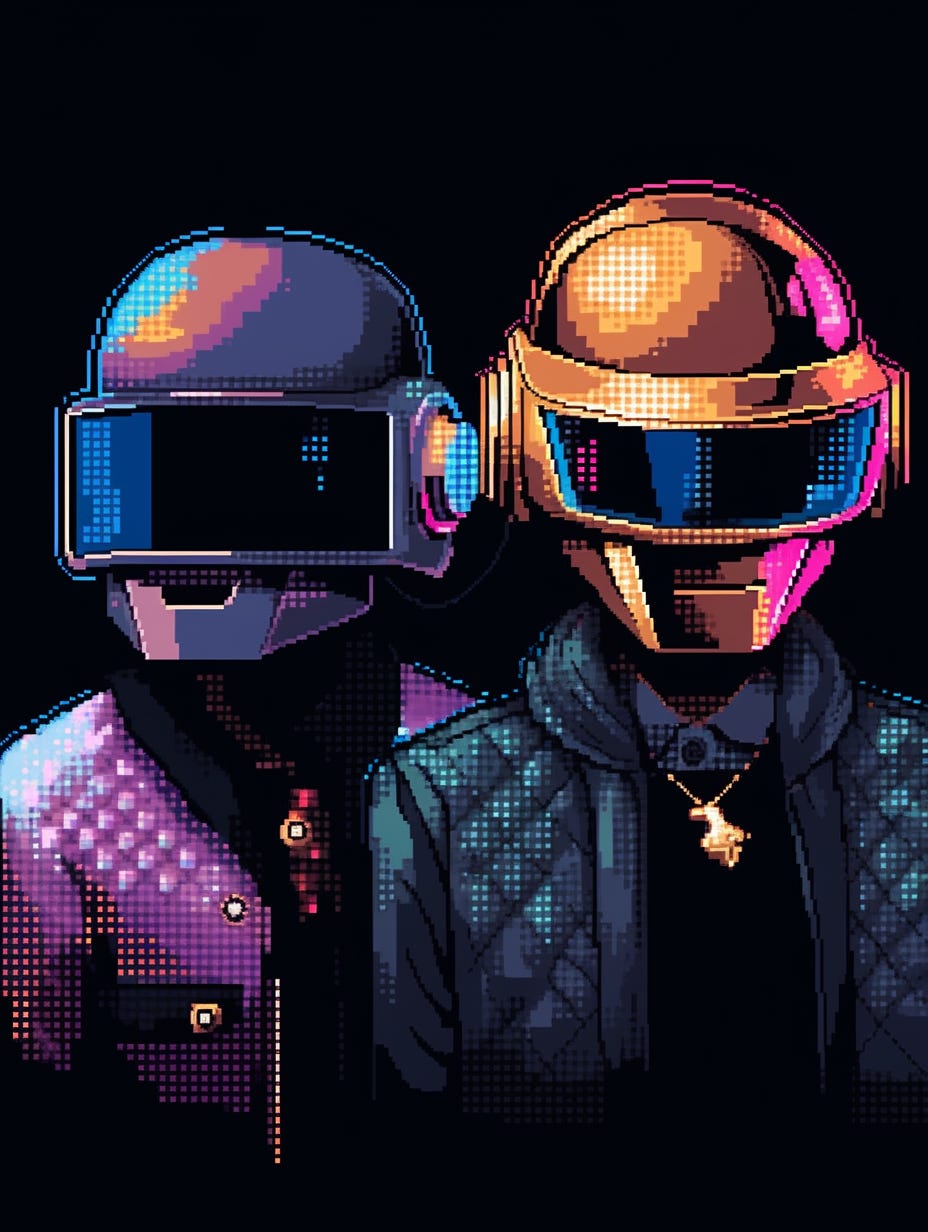
8-bit Pixel Art Portraits embrace the retro aesthetic of early video game graphics, transforming real or imagined faces into works that resonate with the simplicity and charm of the 1980s arcade era. This art form utilizes a limited color palette and pixel grid to create recognizable images, often evoking nostalgia and appreciation for the digital artistry of bygone days. This art style is characterized by its use of large, blocky pixels and a restricted color palette, reminiscent of the graphical limitations of early home consoles and arcade machines. Artists meticulously arrange each pixel to capture the essence, expressions, and nuances of the subject, proving that simplicity does not preclude depth or emotional impact.

Pixel Portrait Niji 5 Prompt
8-bit pixel art portrait of [SUBJECT], in the style of 2d game art, 8 bit, low-res, limited palette, pixelated, retro video game aesthetic, #pixelart --ar [X:Y] --niji 5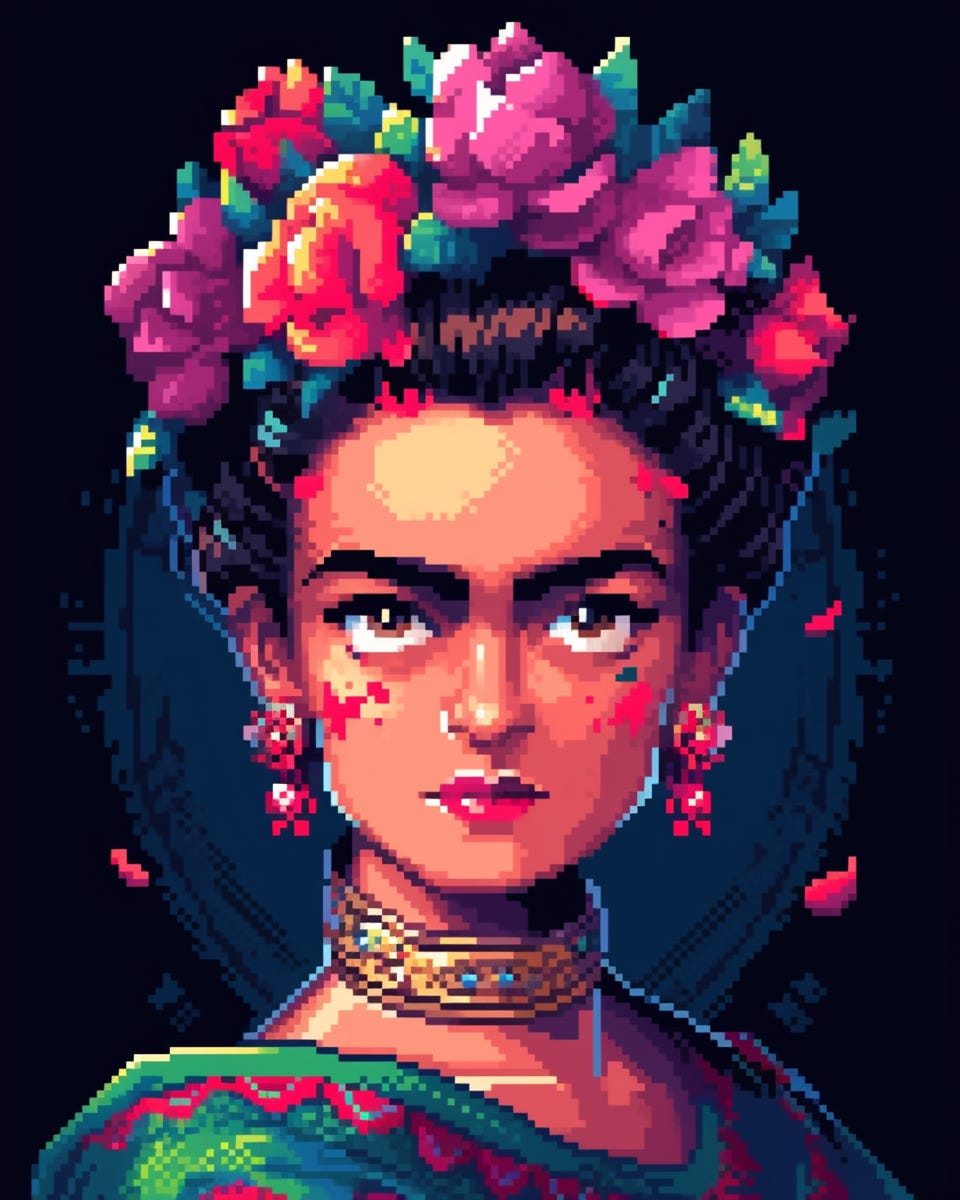
Pixel Portrait Niji 6 Prompt
8-bit pixel art of [SUBJECT], retro pixel portrait. --ar [X:Y] --niji 6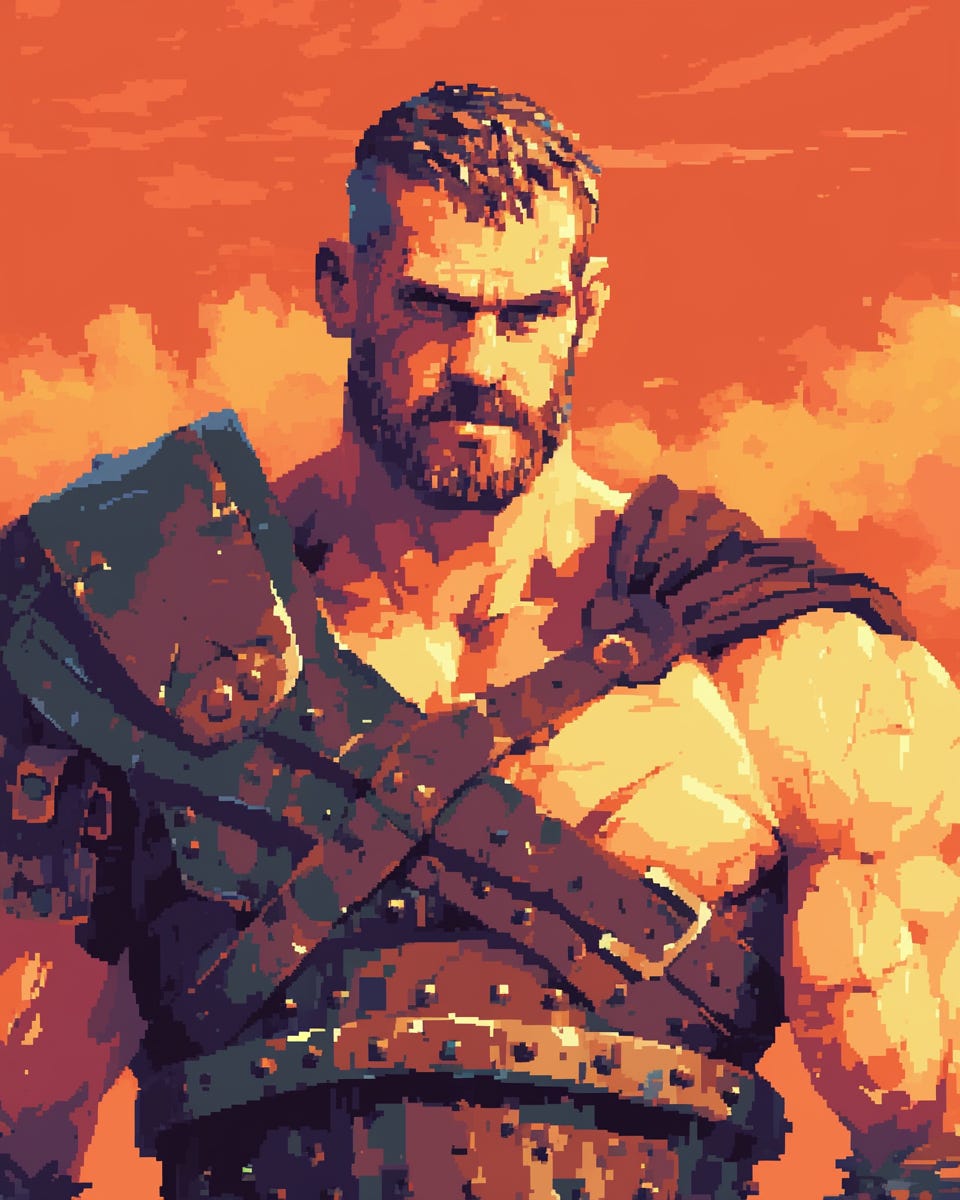

Limited Palette: Utilizes a small selection of colors to create compelling images.
Grid-Based Design: Each "pixel" is carefully placed within a grid to form the portrait.
Retro Aesthetic: Echoes the visual style of 8-bit video games for a nostalgic feel.
Simplicity: Focuses on the fundamental aspects of portraiture, stripping away complexity.
Emotion Through Minimalism: Even with minimal detail, these portraits can convey a wide range of emotions and personality traits.
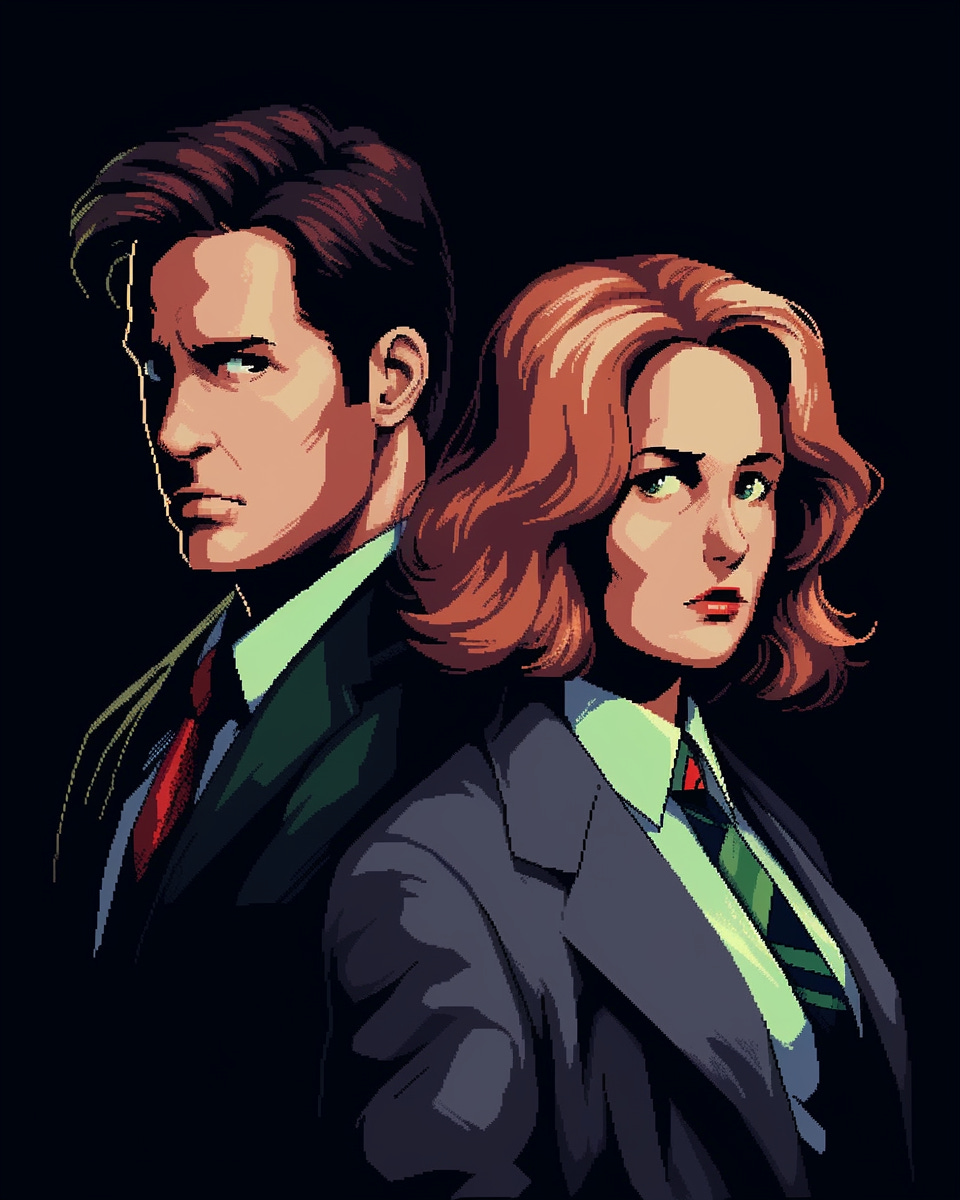

8-bit art originated from the technological constraints of early video game systems, which could display a limited number of pixels and colors. Over time, what began as a limitation grew into a beloved aesthetic, inspiring artists to create pixel art portraits that pay homage to this iconic period in digital history.