


From Pikachu
to Prime Time!
Strap in, otakus and casuals alike! We're about to speed-dial through the quirky, colorful universe of anime, where the drama hits as hard as a Goku punch and the fan theories swirl faster than Naruto on his best day. From the neon-lit streets of Neo-Tokyo to the serene vistas of Spirited Away, anime isn't just a genre—it's a global juggernaut.

Once Upon a Time in Japan
Long before anime became the backbone of meme culture, it started as a humble cousin to manga in post-war Japan. Think of the late 1950s and early 60s, when Osamu Tezuka, often hailed as the 'Godfather of Anime,' turned the ashes of wartime comic strips into the phoenix that would become Astro Boy. It was a hit faster than you could shout "plot armor!"

Rising Sun, Rising Fun
Anime's initial hook was simple: tell fantastical stories with boundless creativity that the live-action technology of the time just couldn’t touch. Imagine dragons, mechas, and schoolgirls with magical powers—content that was as addictive as ramen on a cold day.

Tag-Style Trigger Tokens:
anime style,
manga-inspired,
large eyes,
vibrant colors,
dynamic action,
detailed backgrounds,
emotional expressions,
distinctive hairstyles,
exaggerated features,
cinematic techniques,
Japanese culture,
expressive characters,
Story-Style Trigger Tokens:
An anime style illustration,
anime character design,
dynamic anime action scene,
emotional anime portrait,
anime background art,
in the style of anime,
vibrant anime illustration,
detailed anime scenery,
expressive anime character,
cinematic anime scene,
anime with cultural elements,
exaggerated anime features,
anime-inspired artwork,
From Celluloid to CGI: Technological Tango
As technology evolved, so did anime, morphing from hand-drawn cells to crisp, sometimes unnervingly realistic CGI. Shows like Attack on Titan and movies like Your Name blend cutting-edge animation techniques with storytelling sharp enough to slice onions—and make you cry just as hard.
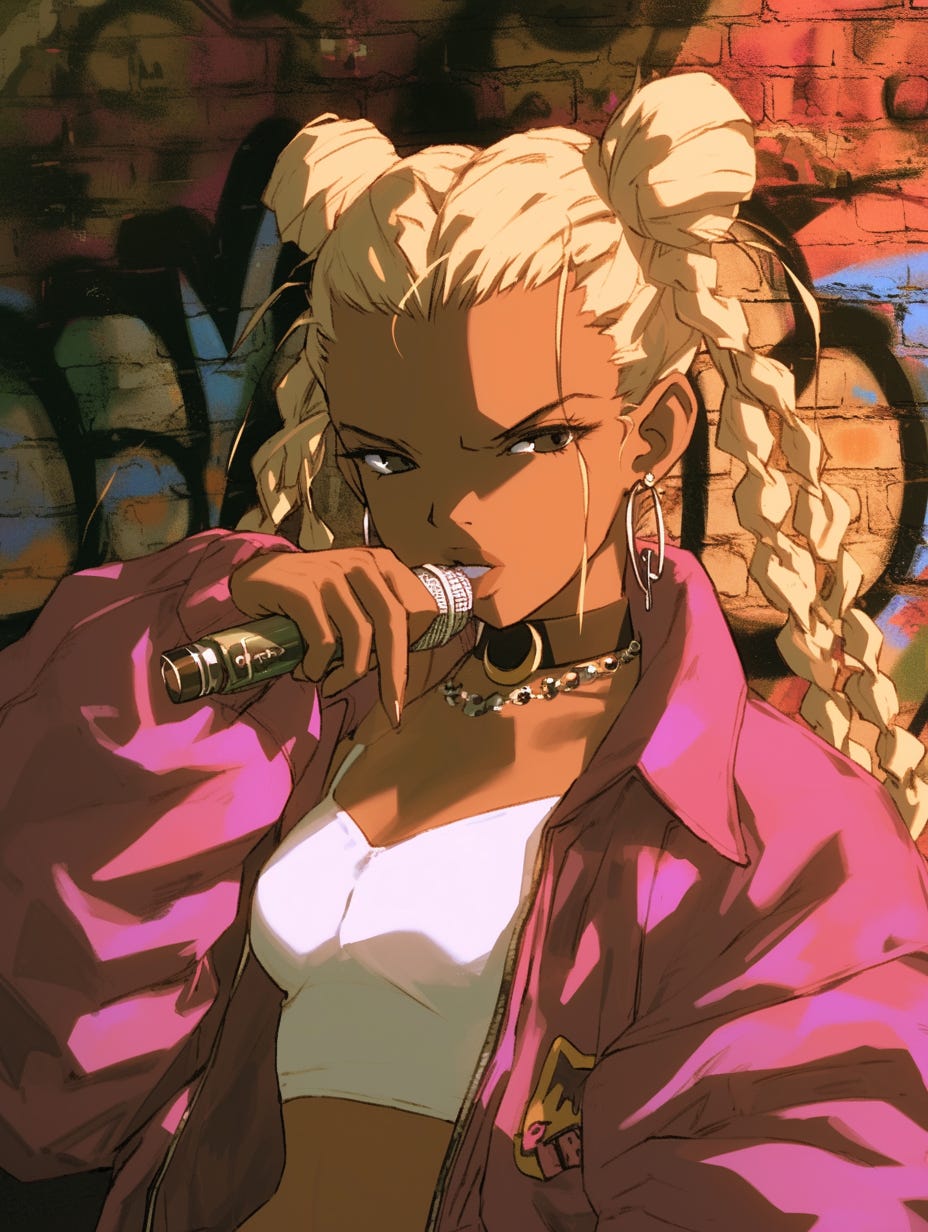

Large, Expressive Eyes: Characters often have large eyes with detailed irises, conveying a wide range of emotions.
Dynamic Action Scenes: Fast-paced and fluid movements, especially in action and adventure genres.
Vibrant Colors: Bright and varied color palettes that enhance the visual appeal.
Detailed Backgrounds: Highly detailed and often beautifully rendered environments.
Distinctive Hairstyles: Unique and colorful hairstyles that help differentiate characters.
Emotional Expressions: Exaggerated facial expressions to convey intense emotions.
Iconic Visual Tropes: Common elements like sweat drops, nosebleeds, and chibi transformations for comedic effect.
Stylized Character Designs: Slim, often elongated bodies with an emphasis on youth and beauty.
Genre Diversity: Spans a wide range of genres from action and fantasy to romance and slice of life.
Cinematic Techniques: Use of camera angles, panning shots, and close-ups to create a cinematic experience.
Cultural References: Incorporates elements from Japanese culture, mythology, and daily life.
Narrative Depth: Complex storylines that often explore deep themes and character development.
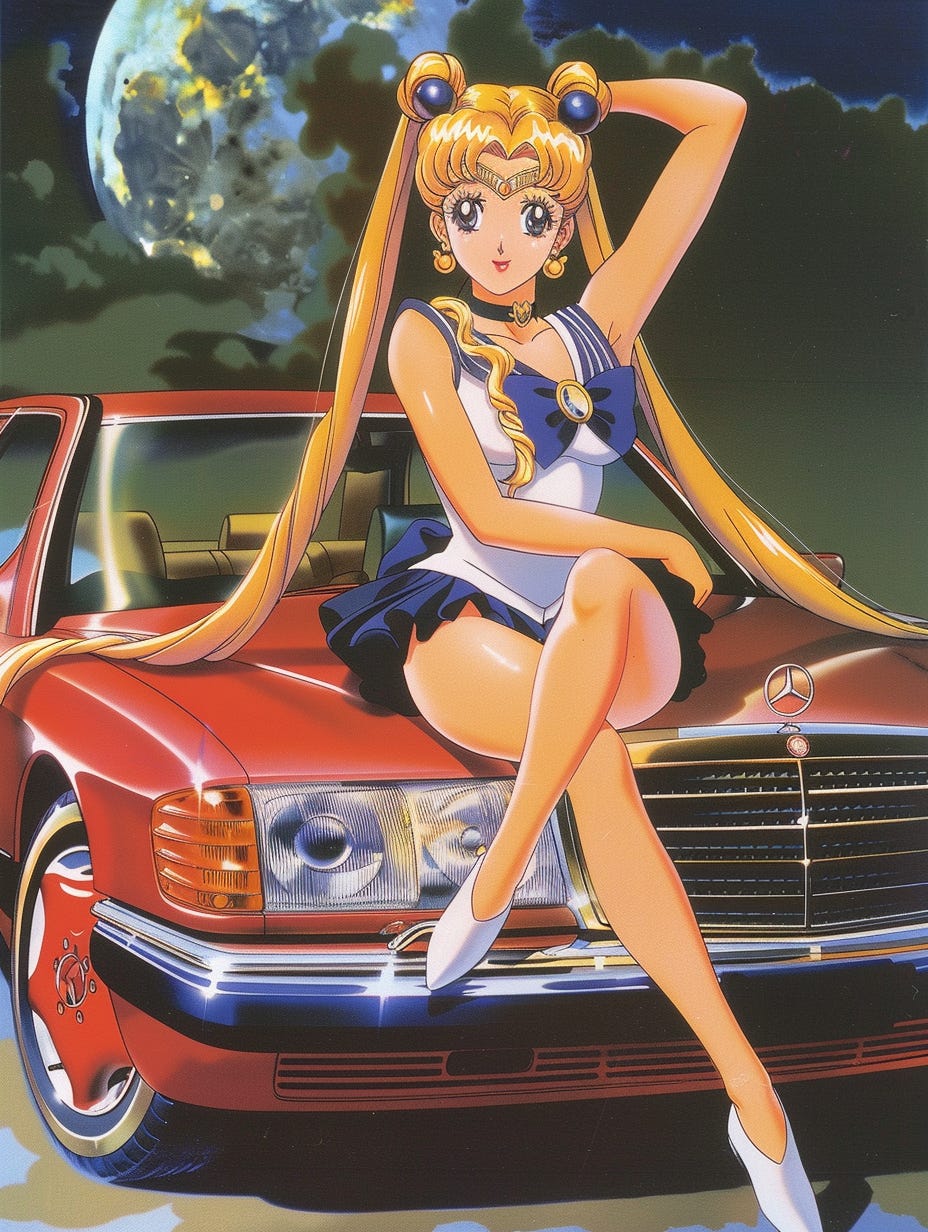
The Anime Spectrum
What started with action and sci-fi soon branched into an orchard of genres. From the psychological twists of Death Note to the bizarre adventures in JoJo’s Bizarre Adventure, anime has a flavor for every palate—even those who like a little horror with their breakfast cereal.
Breaking Borders and Dubbing Barriers
Anime burst onto the global scene like a Super Saiyan, breaking cultural and language barriers faster than dubbed subtitles. Through channels like Toonami, anime became a staple for kids and adults alike across the globe, making icons out of Naruto's headbands and Dragon Ball's hairdos.
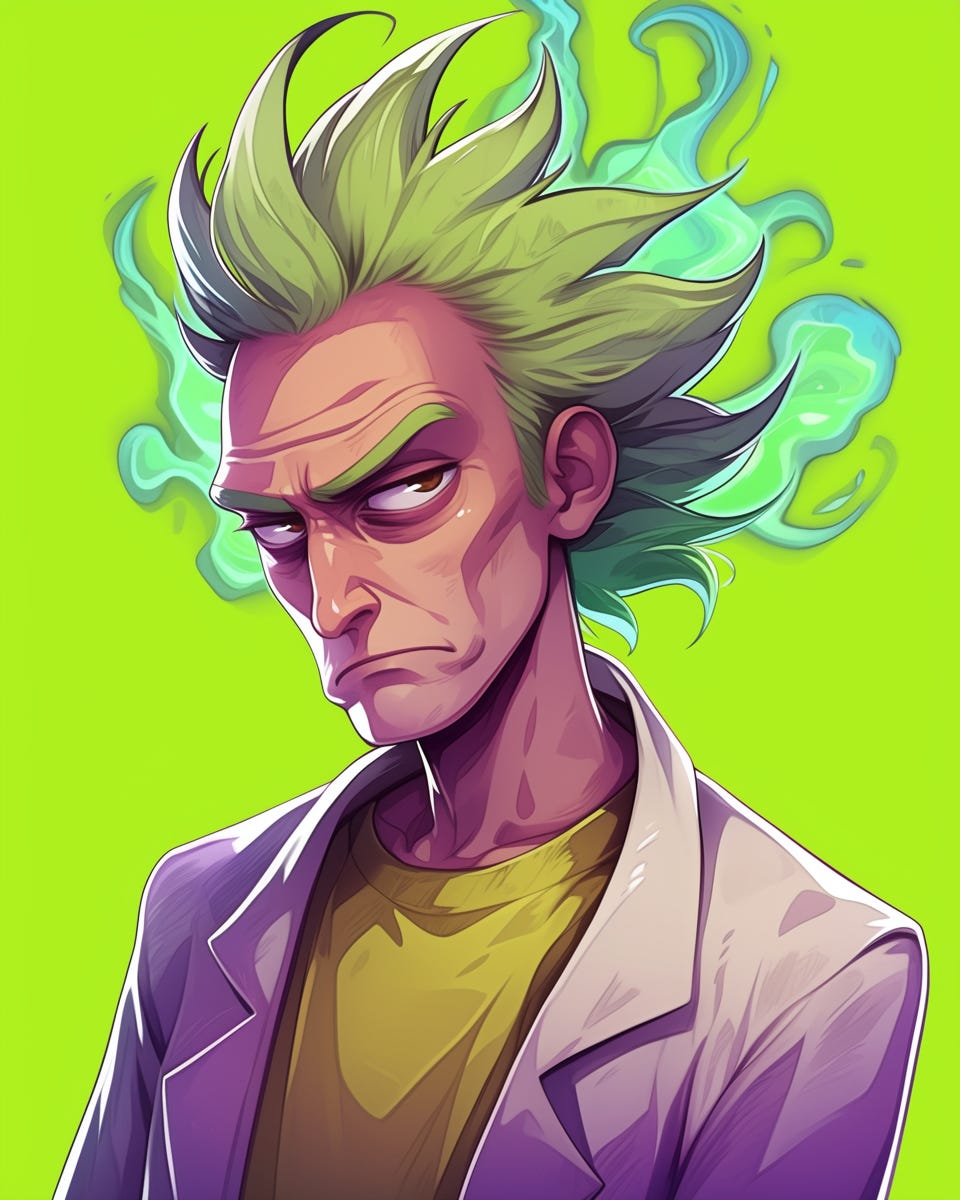
Anime in the Mainstream
Anime conventions grew from niche gatherings to massive events, drawing thousands, while anime memes infiltrated the internet like cunning little ninjas. Whether it's Goku's Spirit Bomb or Sailor Moon's transformation, you're bound to see them GIF-ed across social media platforms.
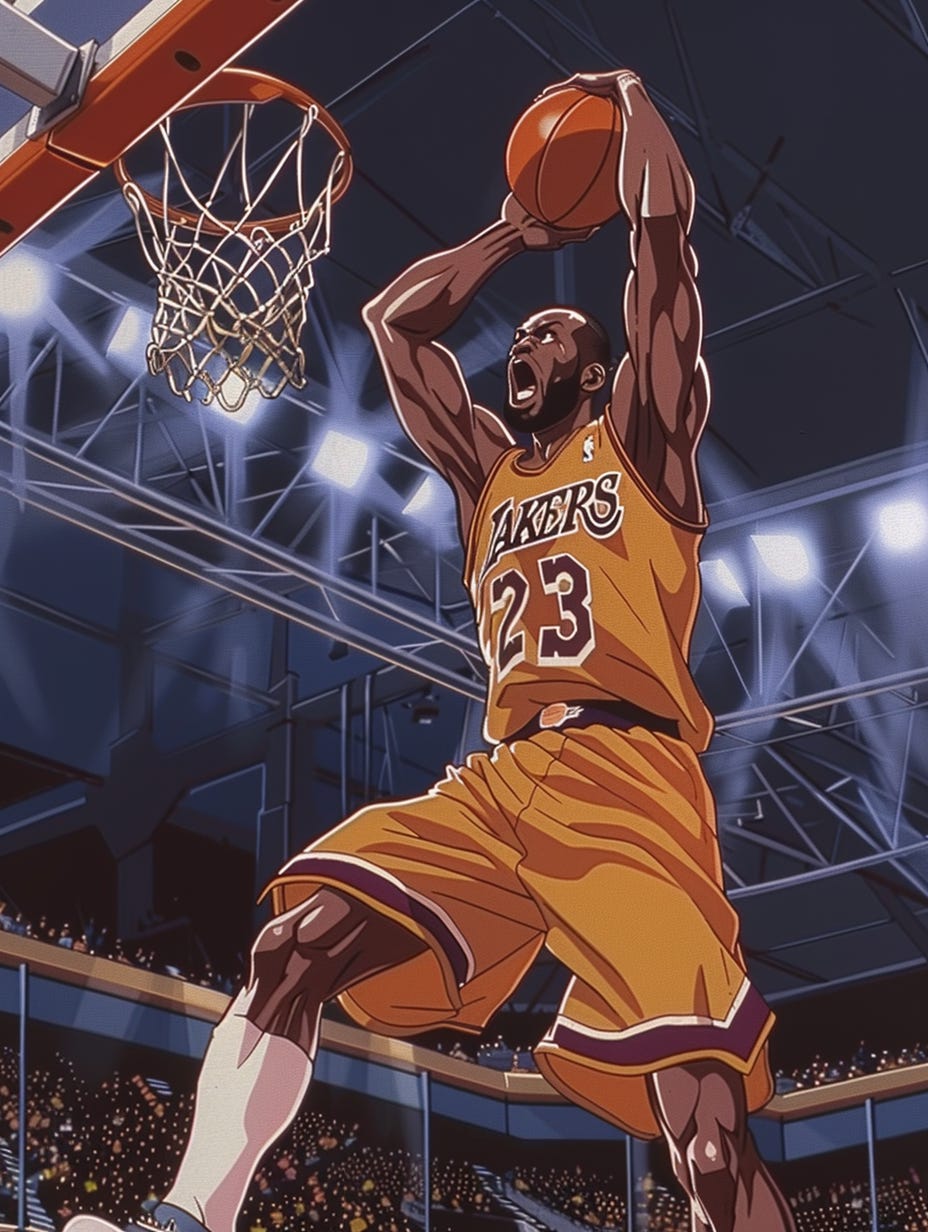
Anime Anytime, Anywhere
With streaming giants like Netflix diving into anime production, the genre's reach and diversity are exploding. Expect more original works, co-productions, and perhaps an anime series shot entirely with VR in mind—because who wouldn't want to dodge a few energy blasts on their day off?
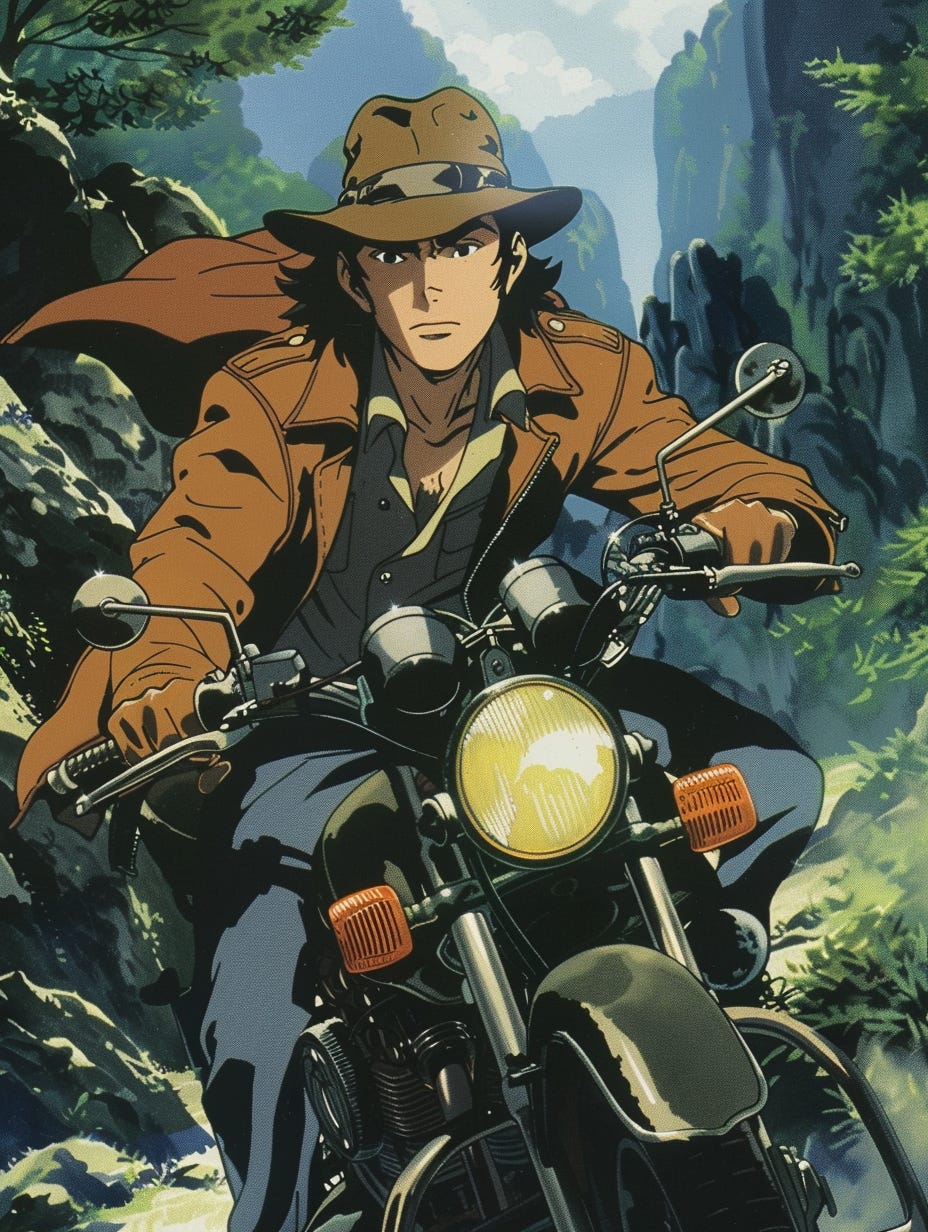

Osamu Tezuka: Often called the "God of Manga," Tezuka's works like Astro Boy and Black Jack laid the foundational style and storytelling techniques for modern anime.
Hayao Miyazaki: Co-founder of Studio Ghibli, Miyazaki's films such as My Neighbor Totoro and Spirited Away are renowned for their intricate animation, imaginative storytelling, and emotional depth.
Akira Toriyama: Creator of Dragon Ball, Toriyama's distinctive art style and dynamic action sequences have greatly influenced the shonen genre.
Mamoru Hosoda: Known for films like Summer Wars and Wolf Children, Hosoda's works blend contemporary themes with fantasy elements, showcasing a unique visual and narrative style.
Satoshi Kon: Director of Paprika and Perfect Blue, Kon is known for his surreal storytelling and innovative use of animation to explore psychological themes.
Makoto Shinkai: Famous for his visually stunning films like Your Name and Weathering With You, Shinkai's work is characterized by breathtakingly detailed backgrounds and emotionally resonant narratives.
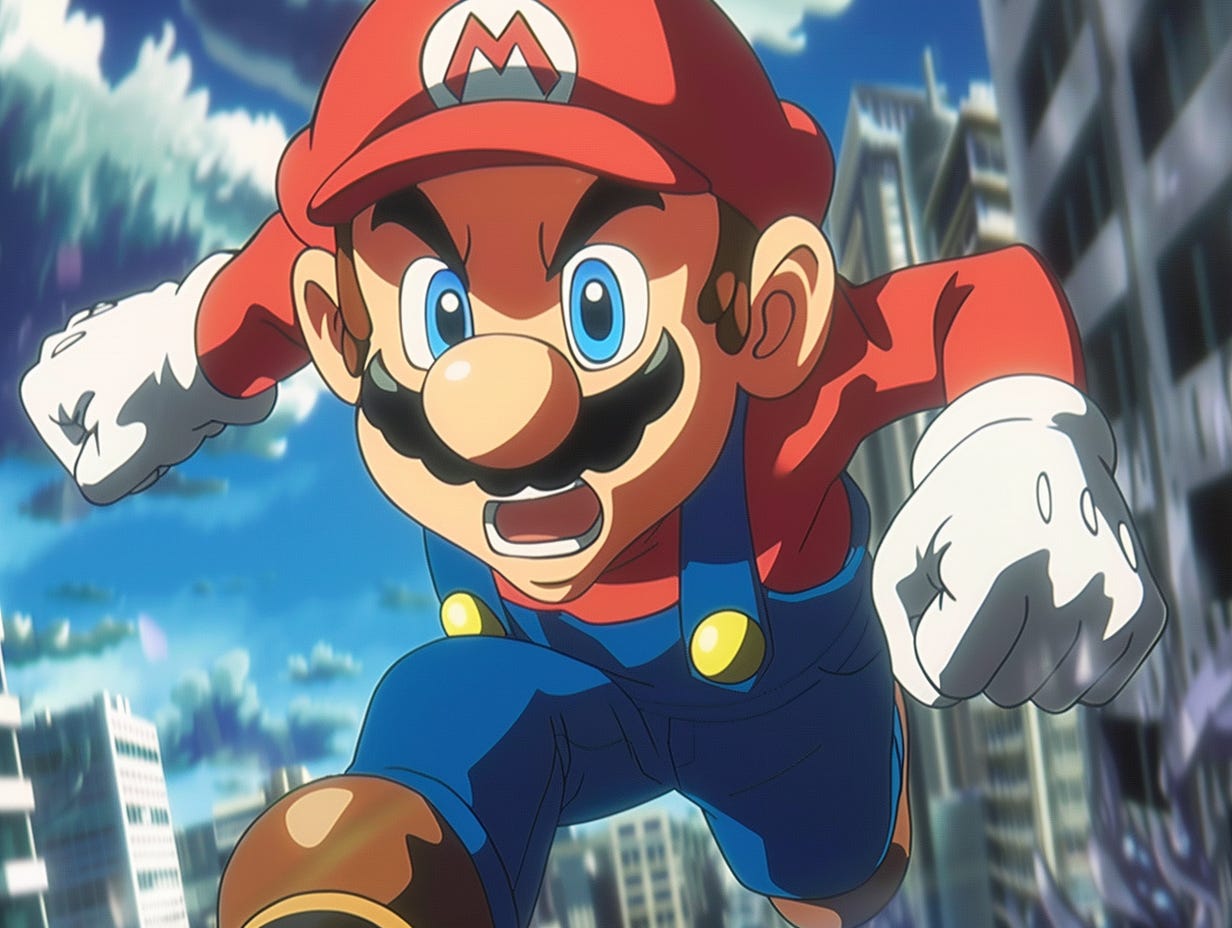
Expanding Horizons
Anime is also seeing a trend toward more inclusive storytelling, with characters and plots that explore every shade of human experience. The future promises anime that not only entertains but enlightens, one frame at a time.
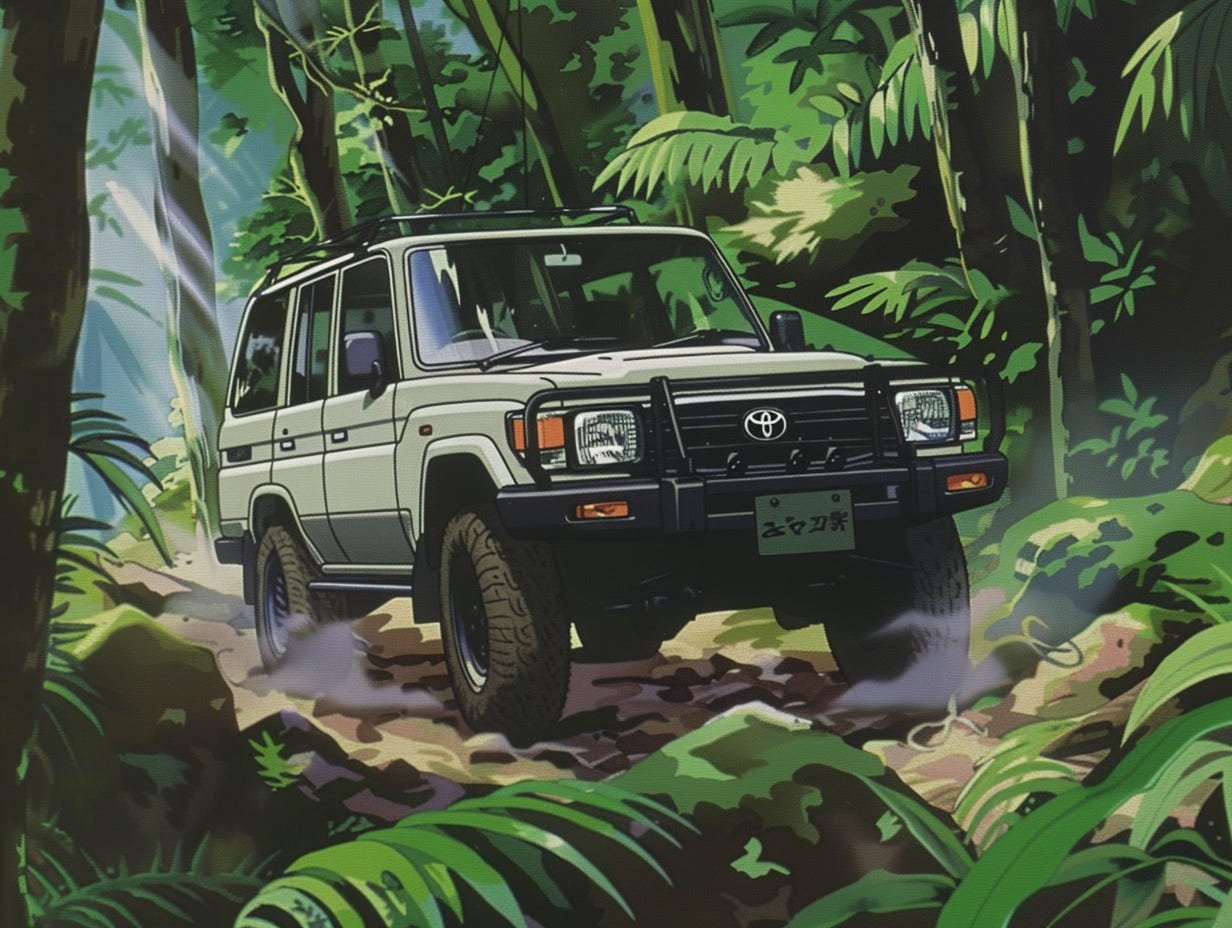
Sayonara, But Not Goodbye
As we park our mech, let's remember: anime isn't just a portal to another world—it's a reflection of our own, with all its quirks, colors, and endless creativity. So whether you're a seasoned weeb or a newbie still figuring out how to pronounce "manga," the world of anime has something for you. Keep those eyes wide, your snacks ready, and your mind open—because in the world of anime, anything is possible. ✌️