


Gears, Gizmos
and Whimsical
Mechanics!
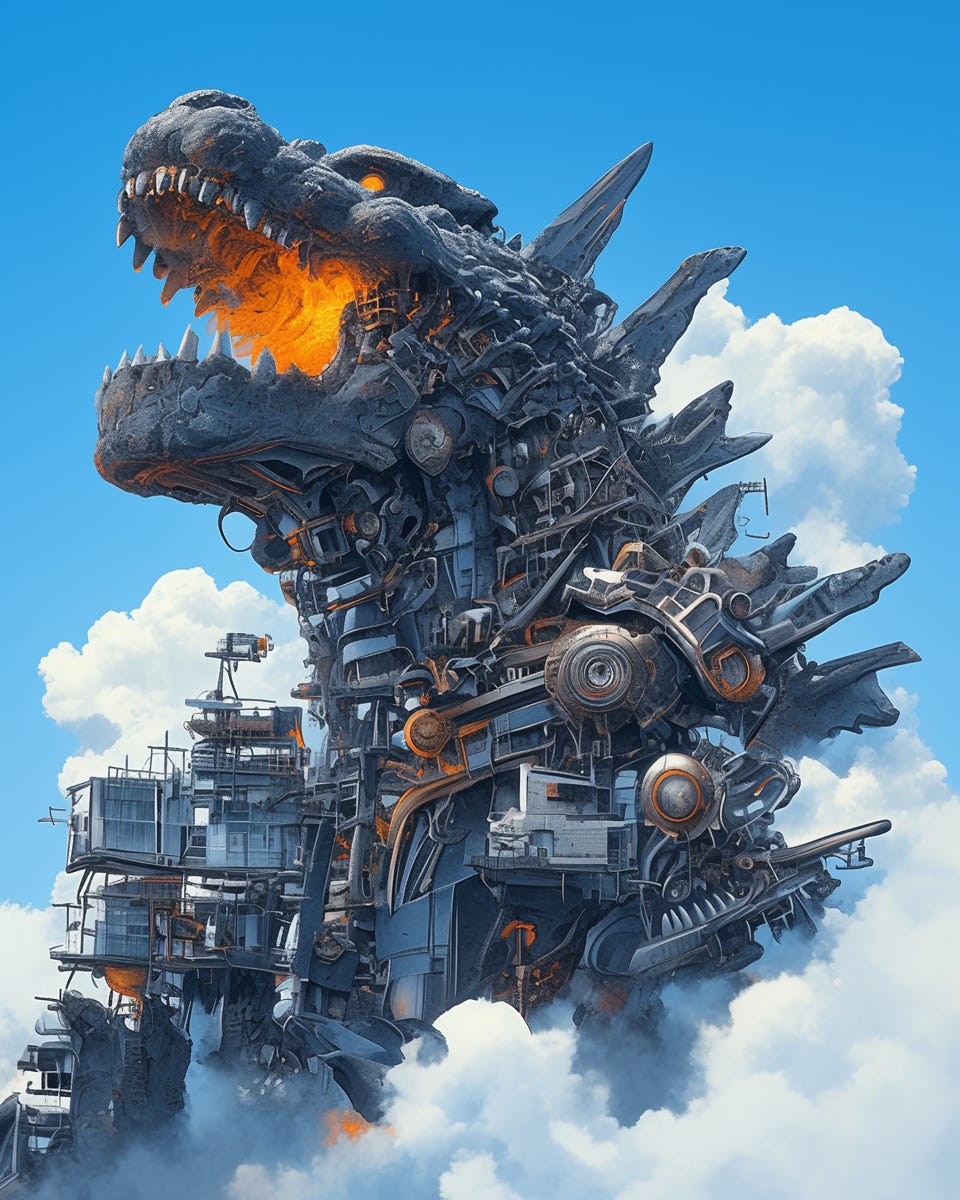
The Ancient Beginnings
Long before battery-operated toys and digital devices hypnotized the masses, ancient geniuses were busy putting together the first automata. Picture this: ancient Greece, a place buzzing more with philosophical debates than a broken TV—along comes Hero of Alexandria, who’s like, “Let’s make some metal birds sing and wooden figures dance.” It was the OG maker movement, and boy, did it move!

From Da Vinci’s Doodles to Royal Delights
Fast forward to the Renaissance, when Leonardo da Vinci wasn’t just busy painting mysterious smiles but was also drafting designs for knightly robots that could sit, stand, and hold a shield. Yes, the kind of stuff that would make any medieval festival go wild! These early automata weren’t just art; they were blockbusters.

Tag-style Trigger Tokens:
mechanical sculpture
kinetic art
automata art
automaton
mechanical toy
whimsical mechanics
clockwork mechanisms
interactive sculpture
moving art
gear-driven
steampunk aesthetic
automata sculpture
hand-crafted automaton
whimsical machinery
engineered art
intricate mechanics
Story-style Trigger Tokens:
intricate and whimsical mechanics
detailed hand-crafted automata art
automaton mechanical toy
mechanical automata art portrait
real mechanical movement
mechanical toy with intricate mechanics
Mechanical movement orchestrated through a series of gears, levers, and cams.
Hand-crafted elements, often carved from wood or sculpted from metal.
Intricate detailing, which can include miniature people, animals, or fantastical scenes.
Whimsical and narrative-driven designs that often tell a story or illustrate a joke.
Interactive components that invite viewer engagement to bring the piece to life.
Visible workings, allowing onlookers to see the inner mechanisms that drive the movements.
Historical and cultural references, reflecting the period in which they were made or the artist's influences.
Combination of art and engineering, showcasing the creator’s technical skills and artistic vision.
Use of traditional techniques, like clockwork and woodworking, alongside modern technologies.
Thematic variety, ranging from simple animal motions to complex human activities.
Emphasis on surprise and delight, often featuring unexpected movements or transformations.
Miniaturization, which requires precise and meticulous assembly of components.
Often accompanied by music or sound effects, which enhance the storytelling aspect.
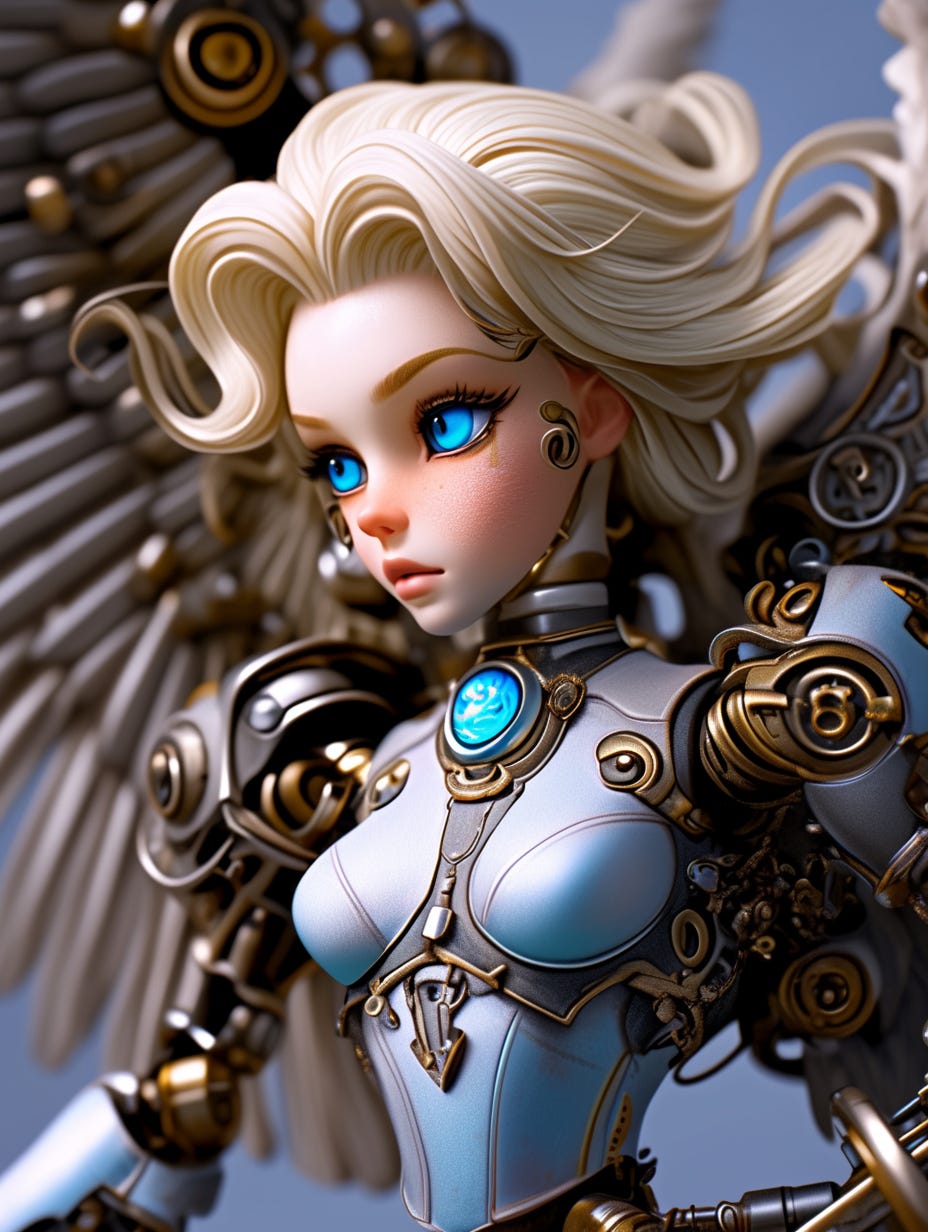
The Golden Age of Gears
Enter the Victorian era, when automata moved from royal amusement to public wonderment. This was the age of showmen and inventors, like Jean-Eugene Robert-Houdin (yes, that Houdin, who inspired Houdini), who created magical automata that could write, draw, and play games. It was like having a Victorian Westworld, without the existential dread.
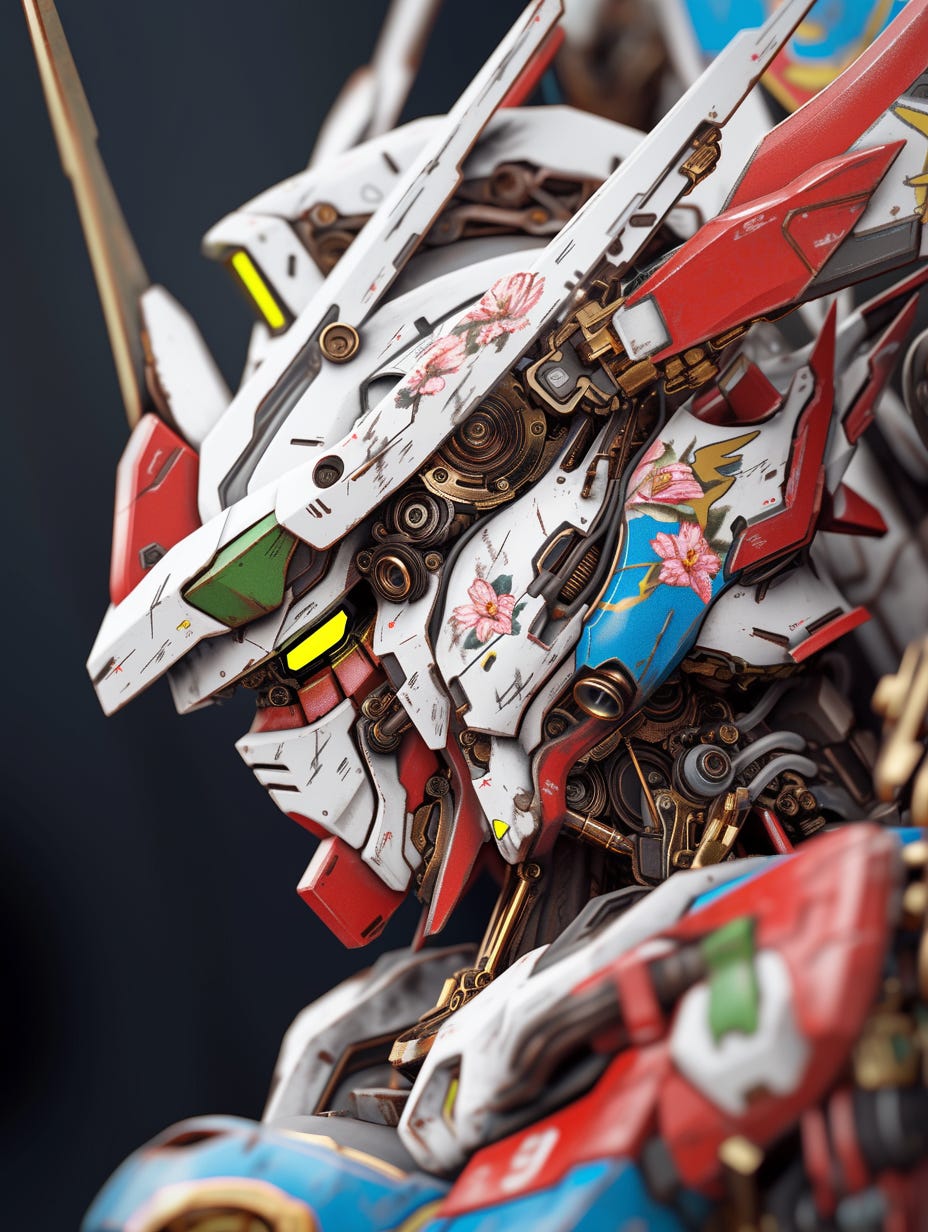
Cranking Through Time: The Evolution of Automata
Automata in the Contemporary Scene
Nowadays, automata are experiencing a renaissance (or should we say re-crank-ssance?), blending traditional craftsmanship with modern technology. Artists like Paul Spooner and Keith Newstead aren’t just creating toys; they're crafting narratives in motion, where every turn of the crank unfolds a story, and every gear tick talks of ingenuity. Automata have wound their way into movies, books, and more. From the whimsical inventions in Hugo to the haunting figures in Automata, these mechanical marvels have become synonymous with wonder and mystery. They remind us that in a world spinning towards the digital, there’s magic yet in the mechanical.
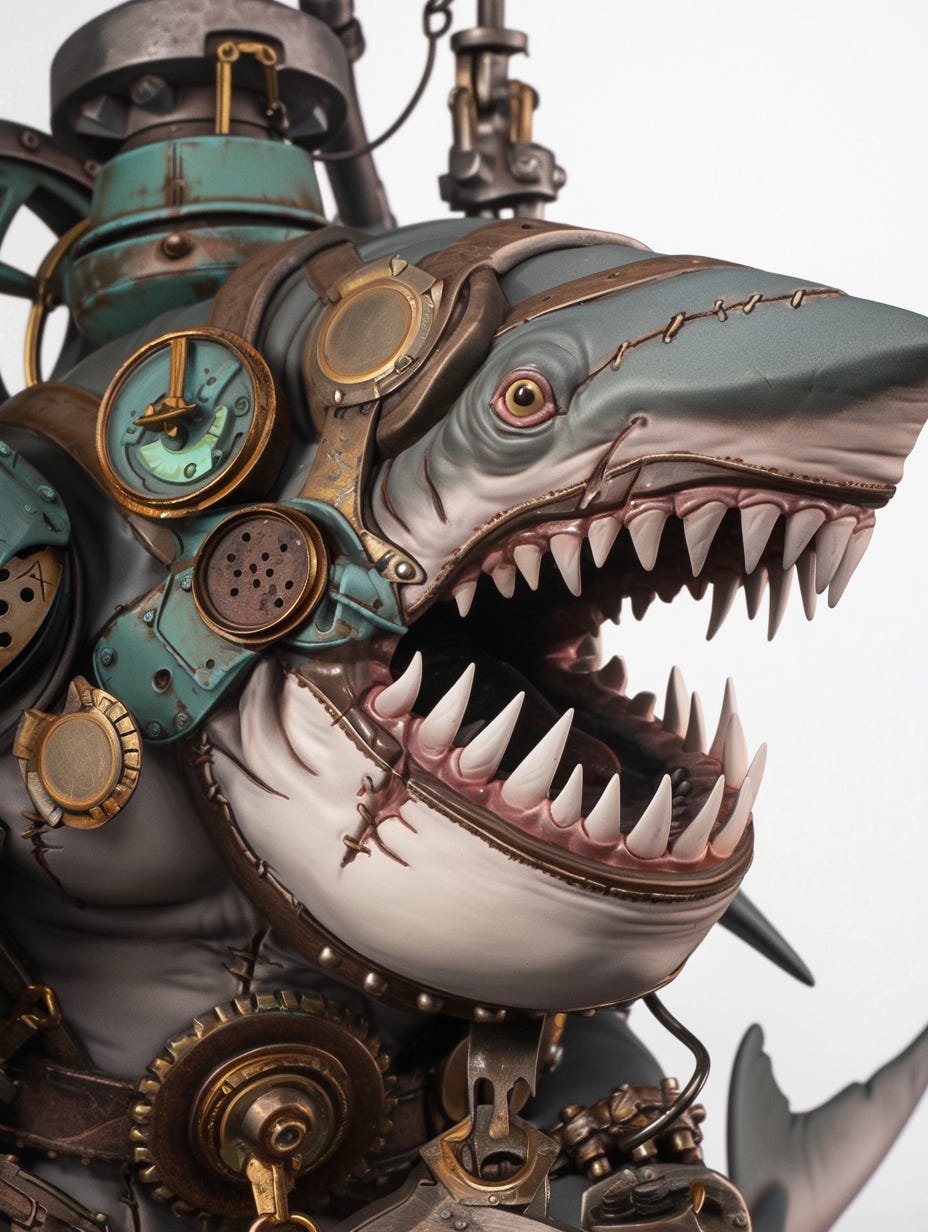
Celebrated Creators and Their Creations
Legends like Pierre Jaquet-Droz have carved their names into the annals of automata history with creations that defy their era’s technological limits. Their intricate dolls and writing machines weren’t just about showing off—they were about dreaming big, one little mechanical motion at a time.
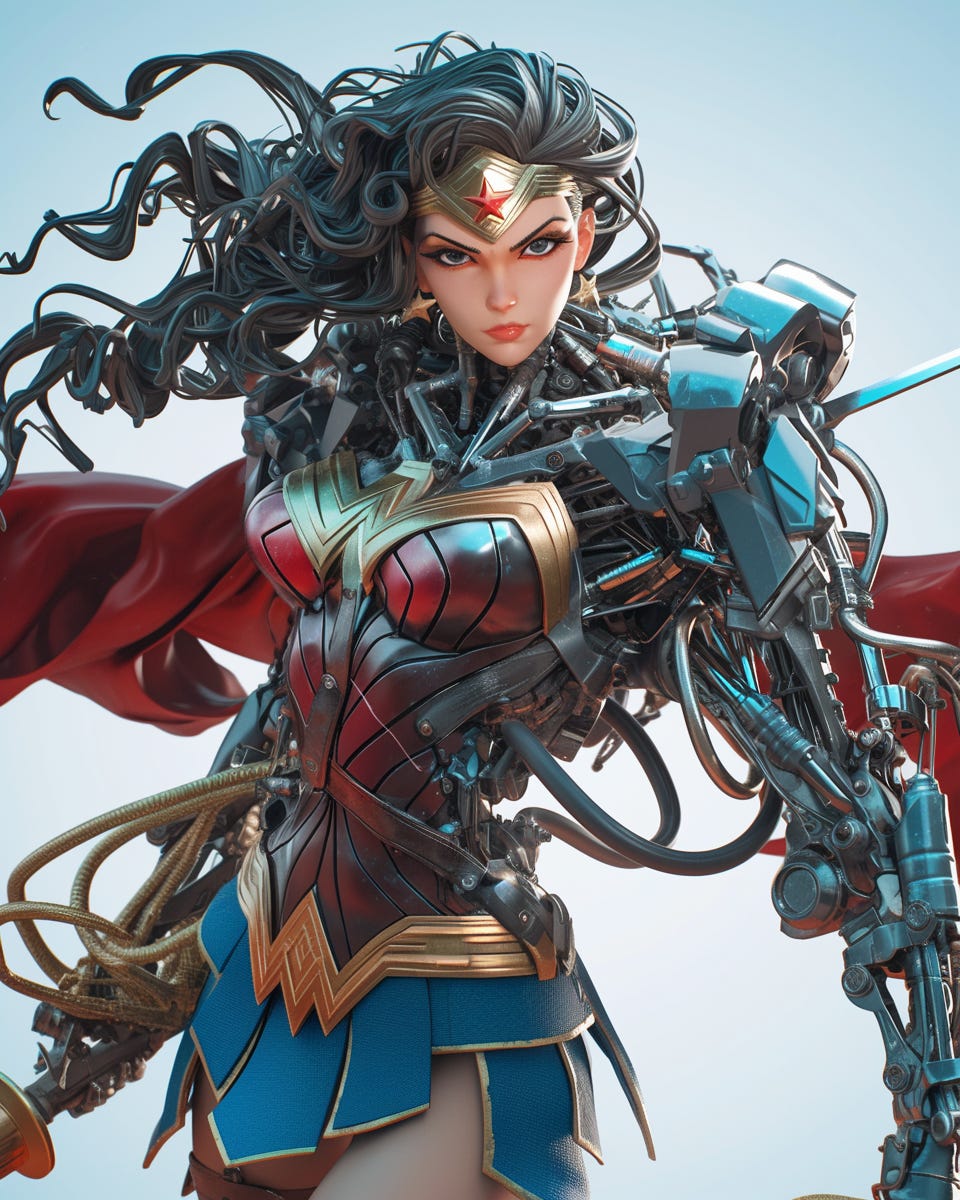

Pierre Jaquet-Droz: An 18th-century Swiss watchmaker who created some of the first and most famous automata, including the Writer, the Draughtsman, and the Musician, intricate mechanical dolls capable of performing complex tasks.
Henri Maillardet: A French mechanic who is best known for creating an automaton capable of drawing four pictures and writing three poems in both French and English, famously helping to identify him after being forgotten.
Jean Eugène Robert-Houdin: Often considered the father of modern magic, Robert-Houdin also created sophisticated mechanical automata for his performances, which were essential in elevating the status of magicians as entertainers in the eyes of the public.
Cabaret Mechanical Theatre: A contemporary group based in London, known for their humorous and whimsical kinetic sculptures and automata, which have inspired many modern automata artists.
Arthur Ganson: A modern kinetic sculptor whose delicate and philosophically inspired machines blend art with engineering, creating mesmerizingly smooth and often thought-provoking automata.
Paul Spooner: Renowned for his witty and often satirical wooden automata, Spooner’s works are a staple in the field of contemporary automata, combining fine craftsmanship with clever mechanical narratives.
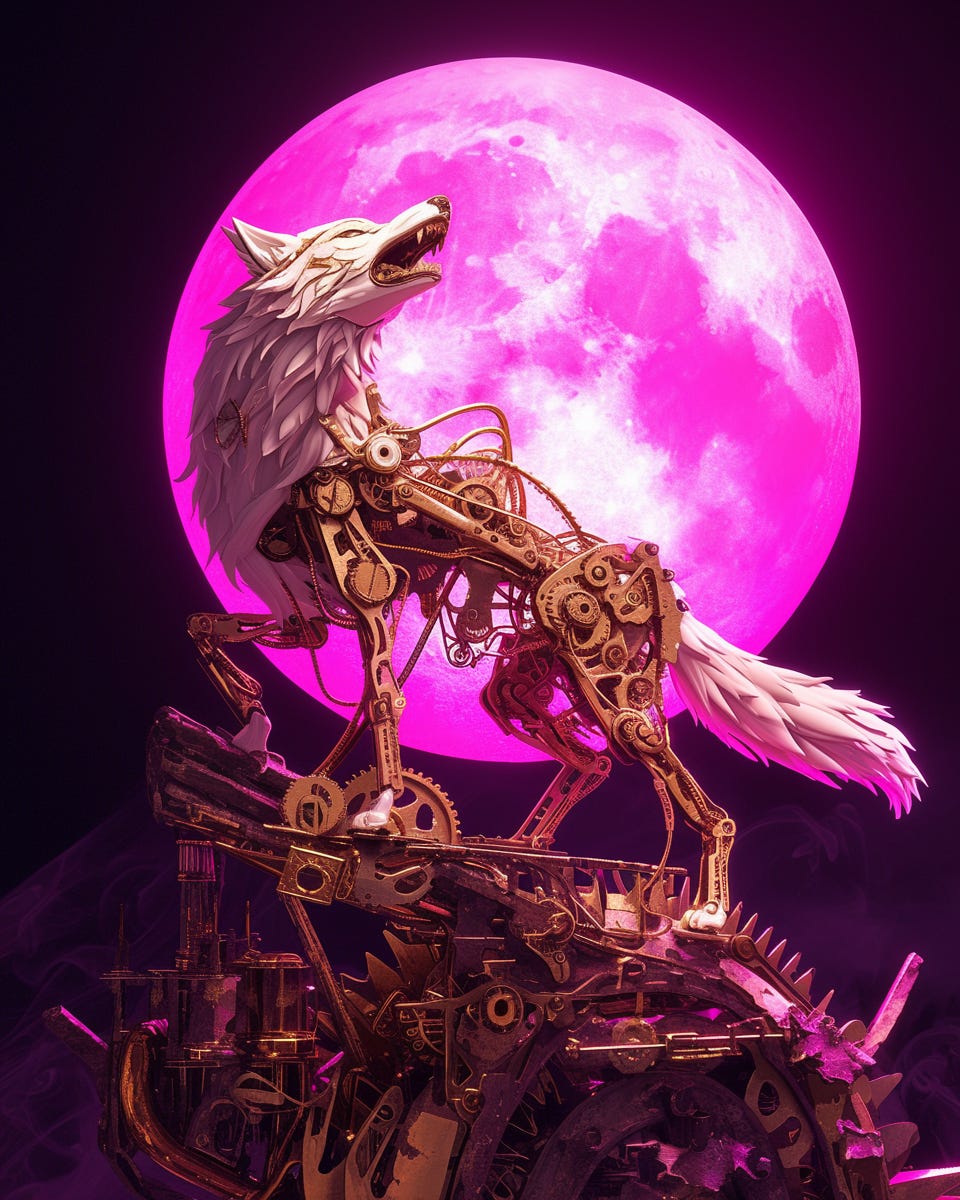
Unwinding the Future of Automatons
The Next Gear
What’s next for the world of automata? Well, we’re making robots now, but, hand-made intricate moving artworks like automatons will always captivate and inspire. Some years from now in a more mature age of AI and machine learning, skillfully hand-made goods may become rare and expensive. The future of automata is not just about maintaining the mechanics but expanding the magic.
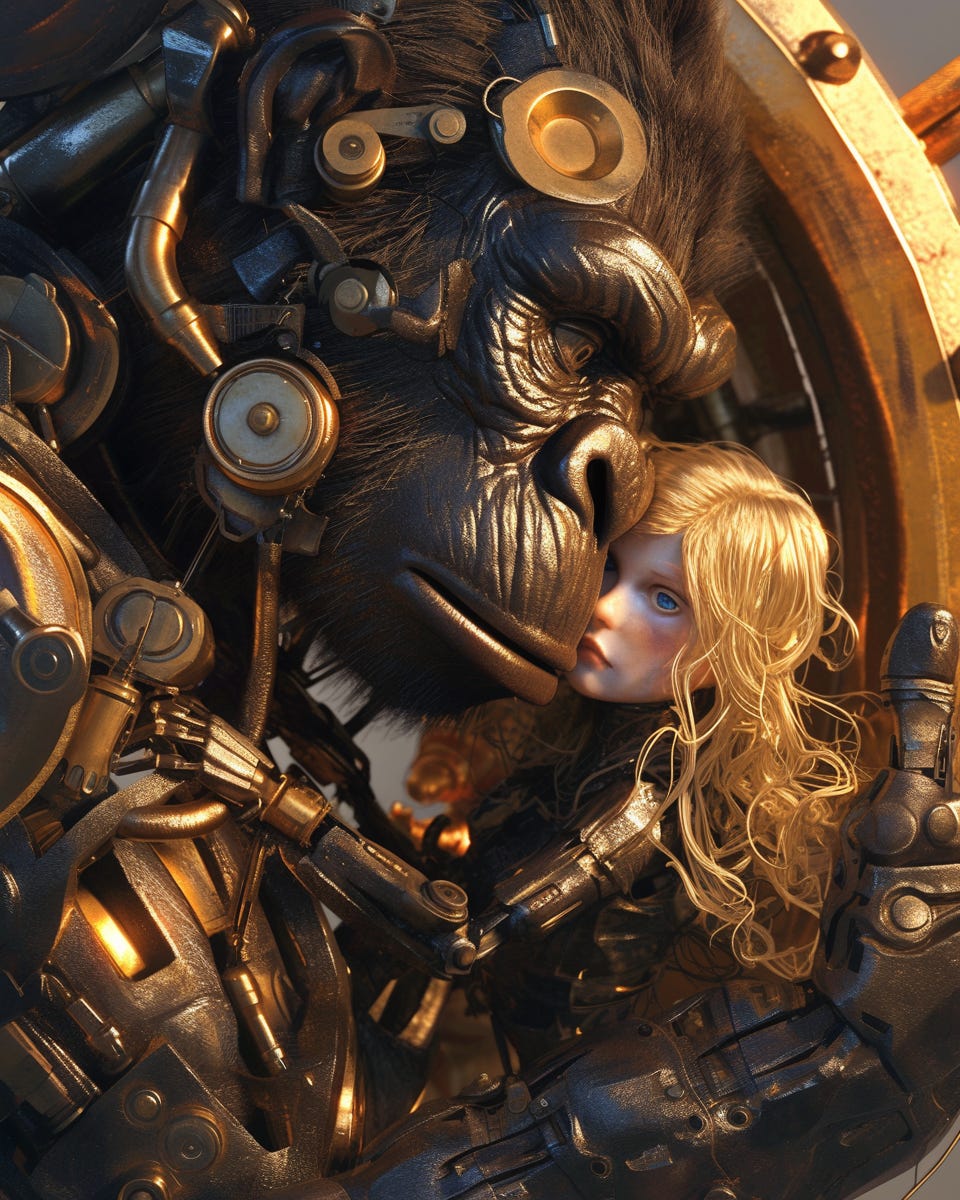
Eternal Motion: Automata's Everlasting Appeal
As long as there are stories to tell and an audience eager to be enchanted, automata will continue to evolve. They're more than just quaint relics of a bygone era—they're testaments to human creativity and the perpetual pursuit of bringing imagination to life.

Keep Cranking!
As our gears wind down on this whirlwind tour through the whirring world of automata, remember that the true charm of these mechanical marvels lies in their ability to connect us to a time when art and innovation were hands-on and hearts-in. Automata aren't just about the mechanics behind the motion—they're about the stories they tell and the eyes they enchant. So next time you come across an automaton, take a moment to appreciate the hands that crafted it, the minds that imagined it, and the spirits that keep the art of automata alive. Keep cranking, and let the wonder unfold! ✌️