


Making The Future
Look Super Creepy
Hey there, fans of dystopian nightmares and genetically modified monstrosities! Biopunk isn’t just a slimy, sinister, bioengineered style; it’s a chaotic mashup of biology, technology, and more body horror than you’d care to imagine. Think of it as cyberpunk with fewer computers and way more flesh—perfect for those who enjoy their future looking a little more… organic. So, grab your syringes, strap on your exoskeleton, and let’s ooze our way through the bio-engineered world of biopunk!
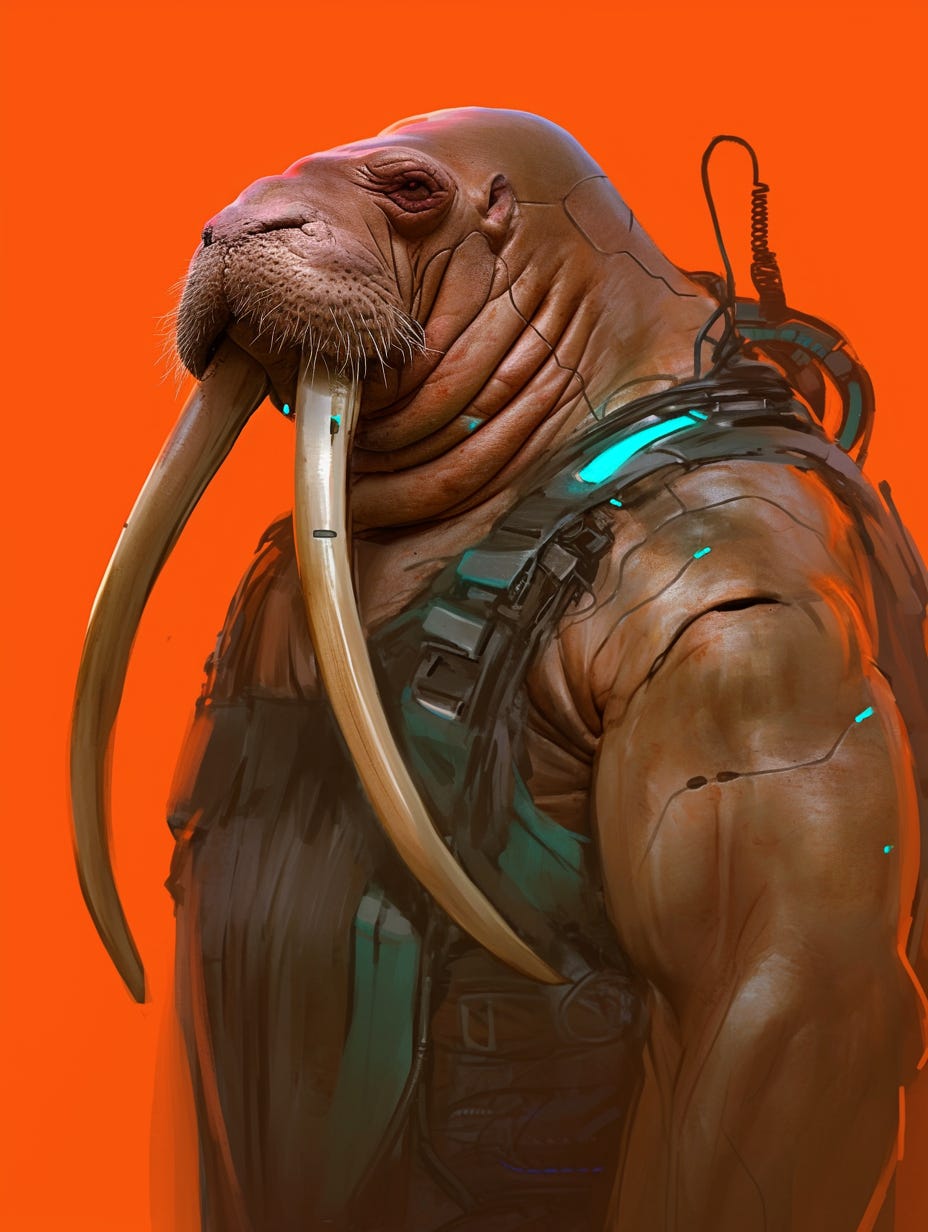
Cyberpunk Walked So Biopunk Could Squirm
If you’re wondering where biopunk came from, you can thank its cooler older sibling, cyberpunk. Cyberpunk gave us the sleek, tech-heavy dystopias of the 80s and 90s, but eventually, someone said, “Let’s get rid of all this computer stuff and focus on flesh and bones.” Thus, biopunk was born—a style that swapped out neon lights for genetic experiments and chrome for slimy tentacles.

Frankenstein Was the OG Biopunker
To be fair, biopunk’s roots go all the way back to Mary Shelley’s Frankenstein. Victor Frankenstein was basically the first biopunk scientist—disregarding nature’s rules, tinkering with flesh, and creating something that definitely shouldn’t exist. Fast-forward to modern times, and biopunk has evolved into a full-fledged aesthetic where labs replace server farms and your DNA is your personal data.


Trigger Tokens:
biopunk,
biopunk style,
bioengineering,
biotechnology,
genetic manipulation,
biohacking,
synthetic biology,
transgenic organisms,
biomechanical fusion,
genetic mutation,
dark organic textures,
cybernetic enhancements,
visceral body horror,
fleshy mechanisms,
biofluids,
dark gloomy aesthetic,
organic weaponry,
bioluminescence,
hybrid beings,
industrial grit,
dystopian settings,
Biohacking Your Way to Art
Biopunk is all about merging organic materials with technology in the most unnerving ways possible. Picture lab-grown skin, artificial organs, and people spliced with animal DNA. It’s gritty, gross, and often beautiful in that “I really shouldn’t be looking at this, but I can’t look away” kind of way. The visual aesthetic leans heavily on organic textures—flesh, bone, sinew—intertwined with sleek, sharp, or crude technological elements. And let’s not forget the syringes. So many syringes.


Biomechanical Fusion: The seamless integration of organic and mechanical elements, blurring the line between flesh and technology.
Genetic Mutation: Depictions of mutated, enhanced, or altered biological forms.
Dark, Organic Textures: Gritty, textured surfaces that evoke a sense of decayed or altered organic material.
Cybernetic Enhancements: Visible mechanical augmentations attached to or embedded in organic beings.
Visceral Body Horror: Grotesque and disturbing depictions of bodies altered by biotechnology.
Fleshy Mechanisms: Machines that appear biological in nature, mimicking the textures and forms of living organisms.
Biofluids and Slime: The presence of biological fluids, slime, and ooze, enhancing the organic aspect of the style.
Dark, Gloomy Aesthetic: A grim, dystopian feel characterized by low-light environments and muted, often monochromatic colors.
Organic Weaponry: Weapons and tools that appear to be grown or evolved rather than constructed.
Bioluminescence: Soft, glowing lights embedded in biological forms, often to indicate technological interfaces or enhancements.
Hybrid Beings: Characters or creatures that are half-human, half-alien, or part-machine, with visible biological and technological components.
Industrial Grit: Harsh, industrial environments juxtaposed with organic lifeforms or mutations.
Dystopian Settings: Post-apocalyptic or dystopian environments where biotechnology has altered society and individuals at a fundamental level.
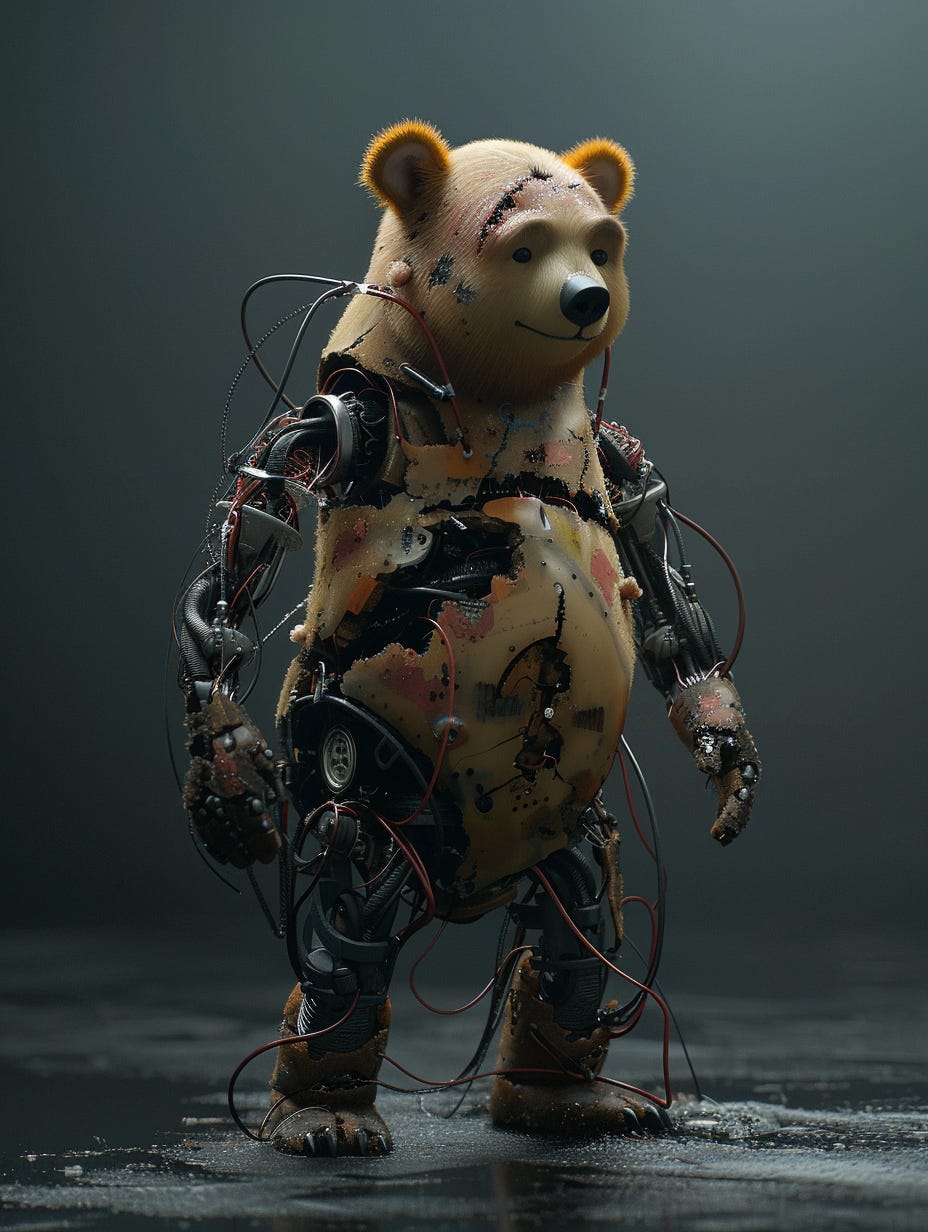
Body Horror Goes Mainstream
At the heart of biopunk is the body—modifying it, manipulating it, and making it look as unsettling as possible. Think Cronenberg films, where flesh meets metal in ways that make your stomach turn, but also kind of fascinate you. Biopunk takes body horror and cranks it up to eleven, with artists, designers, and filmmakers using genetics and bioengineering to create a visual style that’s as twisted as it is mesmerizing.

Questioning Ethics While Grossing You Out
Biopunk doesn’t just look weird for the sake of weirdness (okay, maybe sometimes it does). It also carries a deeper message about the ethics of genetic manipulation, bioengineering, and what it means to be human. The best biopunk art and media make you question where the line between man and machine should be drawn—and whether we’ve already crossed it without noticing.
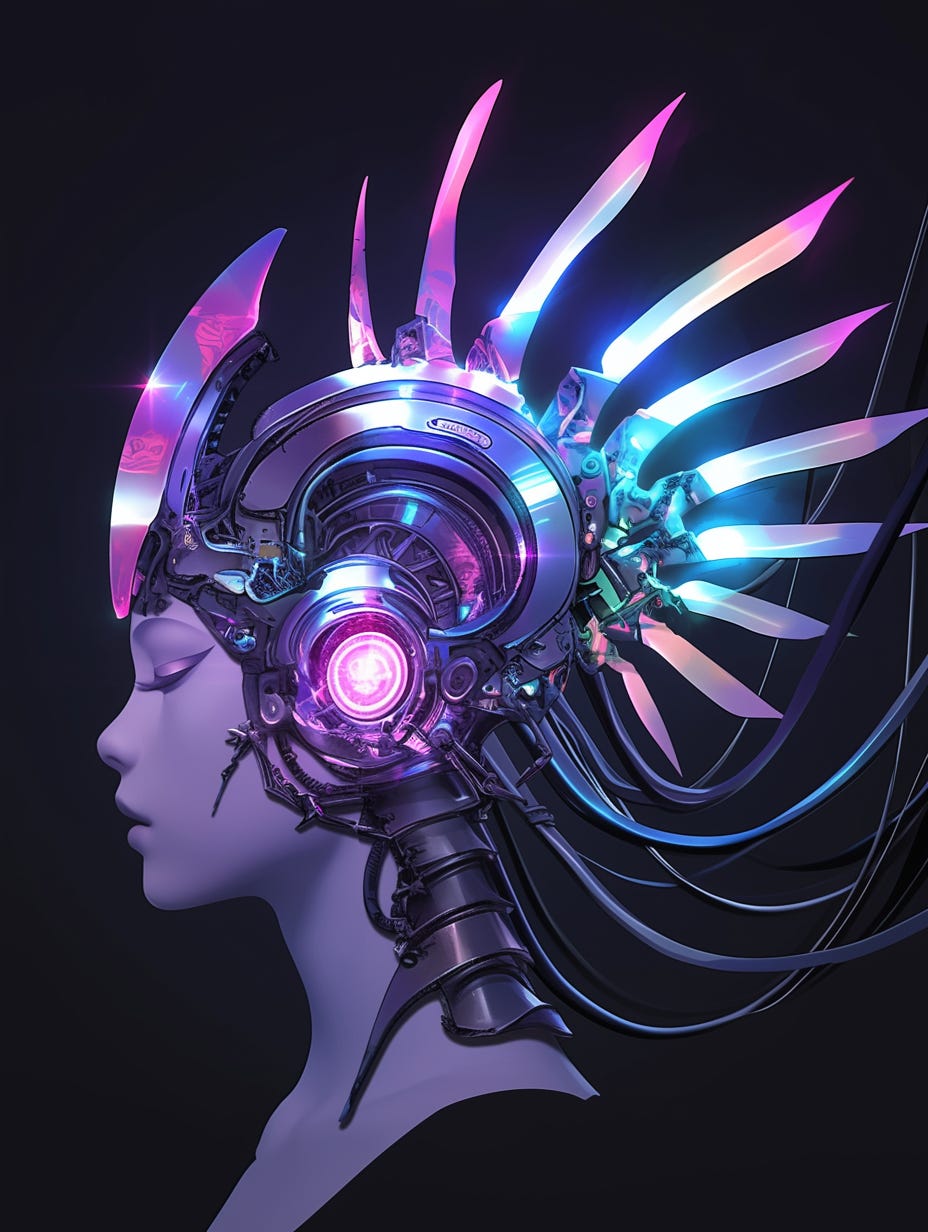
From Runways to Reality
Biopunk’s influence has crept into mainstream culture, from high fashion runways to music videos. Designers are experimenting with biopunk-inspired clothing, blending organic forms with synthetic materials, creating garments that look like they were grown in a lab instead of sewn in a factory. And with CRISPR gene-editing technology making headlines, we’re not too far from the biopunk future we’ve only seen in movies—minus (hopefully) the more horrifying bits.


H.R. Giger: Famous for his dark, biomechanical art style, Giger’s work heavily influenced the aesthetics of biopunk, blending organic and mechanical elements.
William Gibson: Known for his cyberpunk novels, Gibson's explorations of body modification and biological technology deeply influenced the biopunk genre.
David Cronenberg: The filmmaker behind "The Fly" and "Videodrome," Cronenberg's work explores themes of body horror, biotechnology, and the fusion of flesh and machine, key elements of biopunk.
Katsuhiro Otomo: Creator of "Akira," Otomo’s works include explorations of genetic manipulation, mutation, and the blending of technology with the human body.
Masamune Shirow: The creator of "Ghost in the Shell," Shirow’s work frequently explores the boundaries of human identity, biotechnology, and artificial intelligence in a biopunk context.
Tsutomu Nihei: A manga artist known for his biomechanical landscapes and dystopian themes in works like "Blame!" and "Knights of Sidonia," heavily influencing the biopunk aesthetic.

Living Art: The New Frontier
The future of biopunk might not be limited to fashion or film. With advances in biotech, artists are beginning to experiment with living materials—think sculptures made of actual cells or installations that grow and change over time. The lines between science, technology, and art are blurring, and biopunk is at the bleeding edge of that intersection. So, who knows? Maybe in the future, your next piece of art will be alive, and your furniture might need feeding.

Biopunk Future
So there you have it—a gooey, gritty journey through the wonderfully disturbing world of biopunk. From its ethically dubious origins to its freaky future, biopunk is here to remind us that the line between the natural and the unnatural is a lot blurrier than we’d like to think. Whether it’s in fashion, film, or bio-hacked art, biopunk takes the gross and makes it gorgeous, proving that sometimes the creepiest creations are the ones that stick with you the longest. Here’s to the future—just don’t be surprised if it has tentacles!✌️