


The Fun House Mirror
of The Art World
Step right up to the most twisted show in town—where faces stretch, noses balloon, and eyes pop in ways that defy biology but absolutely nail personality. Welcome to the world of caricature art, the irreverent cousin in the family of fine arts, who shows up at parties to point out everyone's quirks with a smirk. If traditional portraiture is a polite handshake, caricature is a playful noogie followed by a wink. Ready to see your favorite celebrities as never before? Let’s dive into the distorted, exaggerated fun of caricature art!

Distortion Through the Ages
Caricature's origins are as old as humor itself, traced back to when ancient artists realized that drawing their pharaoh with slightly larger ears got a few chuckles around the pyramid. But, it was during the Renaissance that artists like Leonardo da Vinci began to skew proportions and features for a laugh, proving that even the grand masters enjoyed a good giggle.
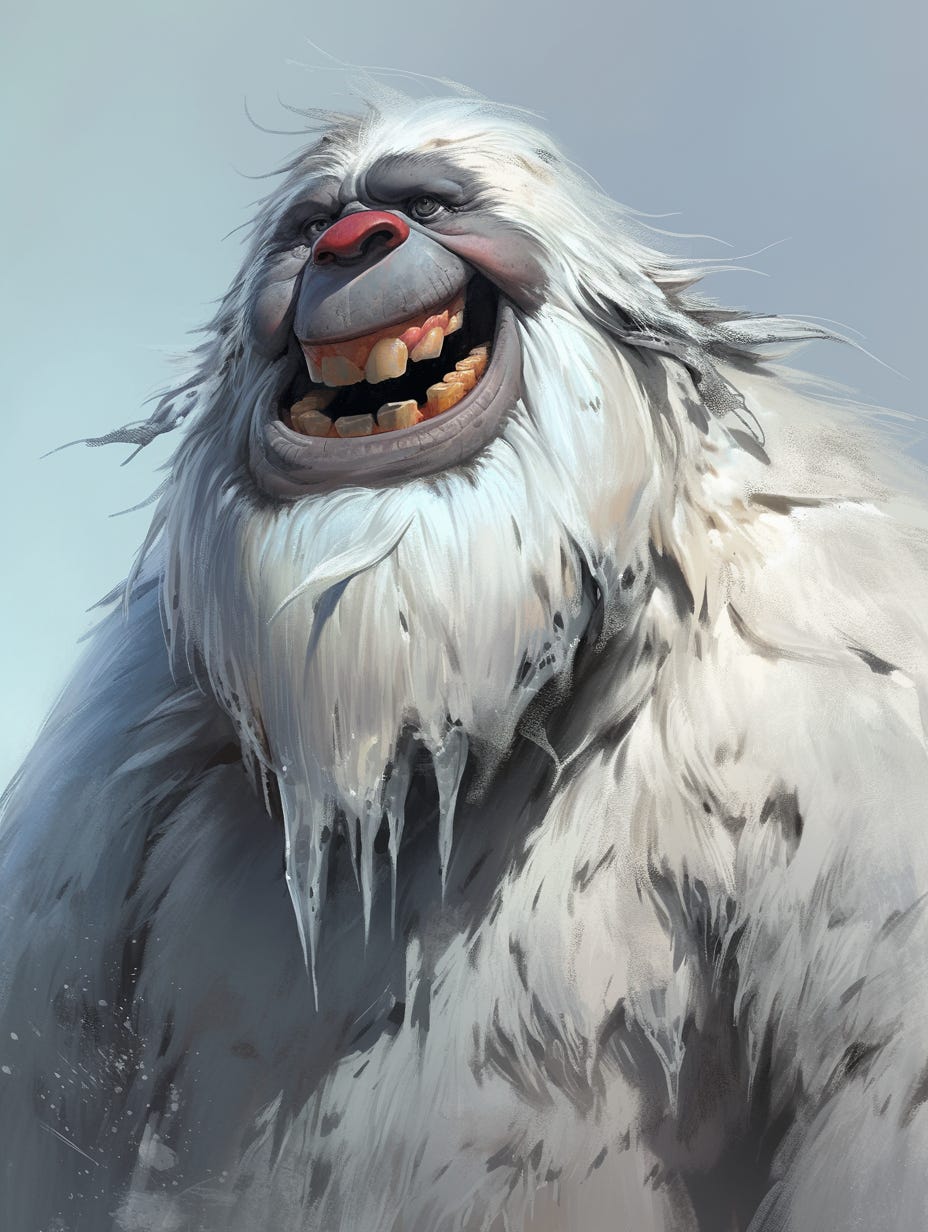
Caricature’s Pop Culture Debut
As the centuries rolled by, caricature art didn't just stick to dusty old sketchbooks. Oh no, it evolved, taking its rightful place in newspapers, political cartoons, and even glossy magazines. Fast forward to the 19th century, and we find the likes of Honoré Daumier using caricature to poke fun at politicians and social elites. Think of it as the Twitter of its day, but with way more skill involved.

Tag-Style Trigger Tokens:
caricature,
caricature drawing,
caricature style,
caricature-style
exaggerated features,
satirical,
bold lines,
humorous,
humor-infused,
dynamic poses,
expressive faces,
exaggerated proportions,
detailed textures,
parody,
playful
playful style
Story-Style Trigger Tokens:
A caricature art style illustration,
caricature drawing of [subject],
exaggerated and humorous caricature,
satirical caricature art,
caricature illustration with bold lines,
a caricature portrait of [subject],
caricature with exaggerated features and vibrant colors,
detailed caricature drawing,
dynamic and expressive caricature,
humorous and satirical caricature art,
exaggerated proportions in caricature style,
caricature art with high contrast and fluid lines,
caricature with expressive faces and dynamic poses,
From Pamphlets to Pixels
As the printing press revved up, so did caricature’s role in society, moving from aristocratic amusement to a public spectacle. The 20th century saw the golden age of editorial cartoons and caricature, with legends like David Levine turning broadsheets into broad smiles and laughs with a few well-placed pen strokes.
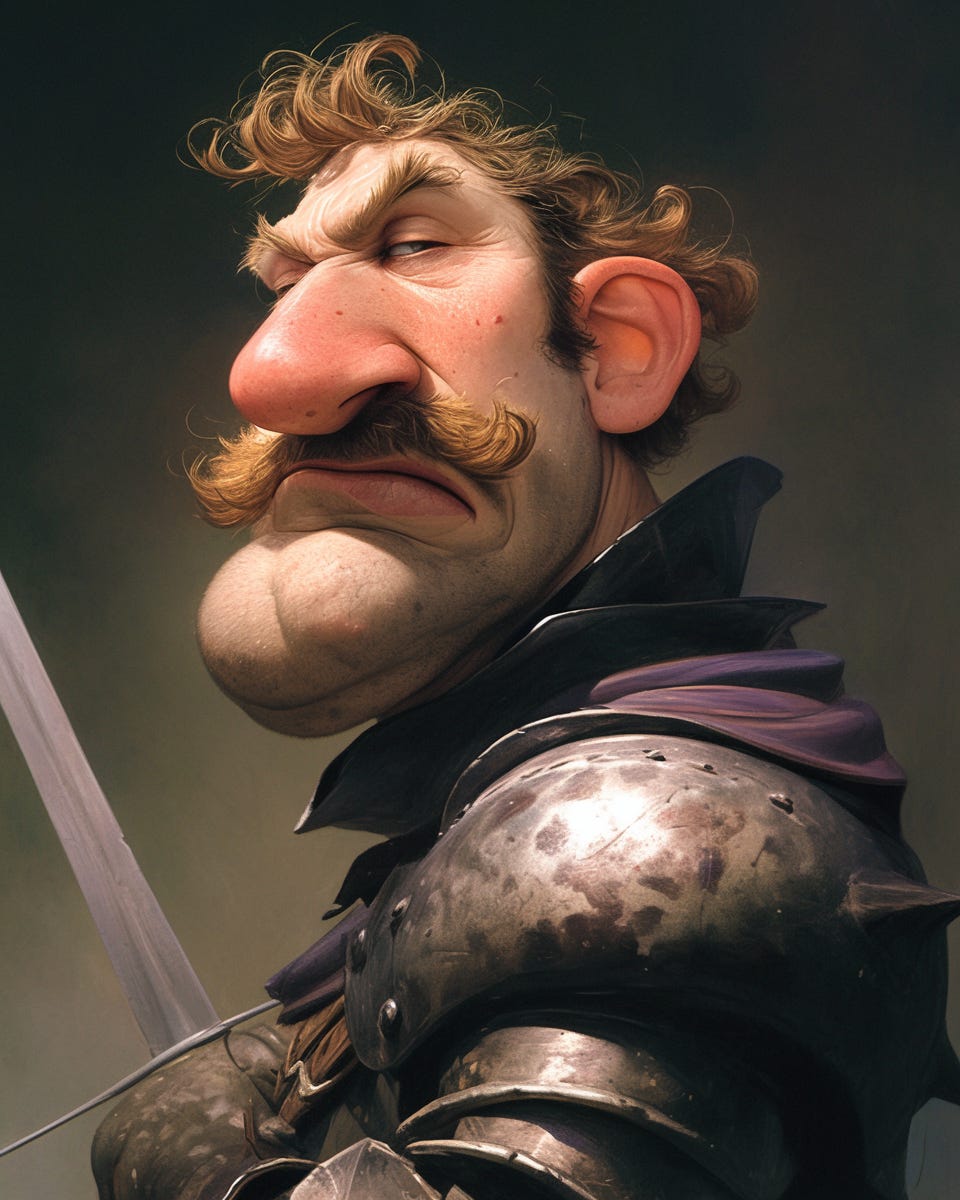

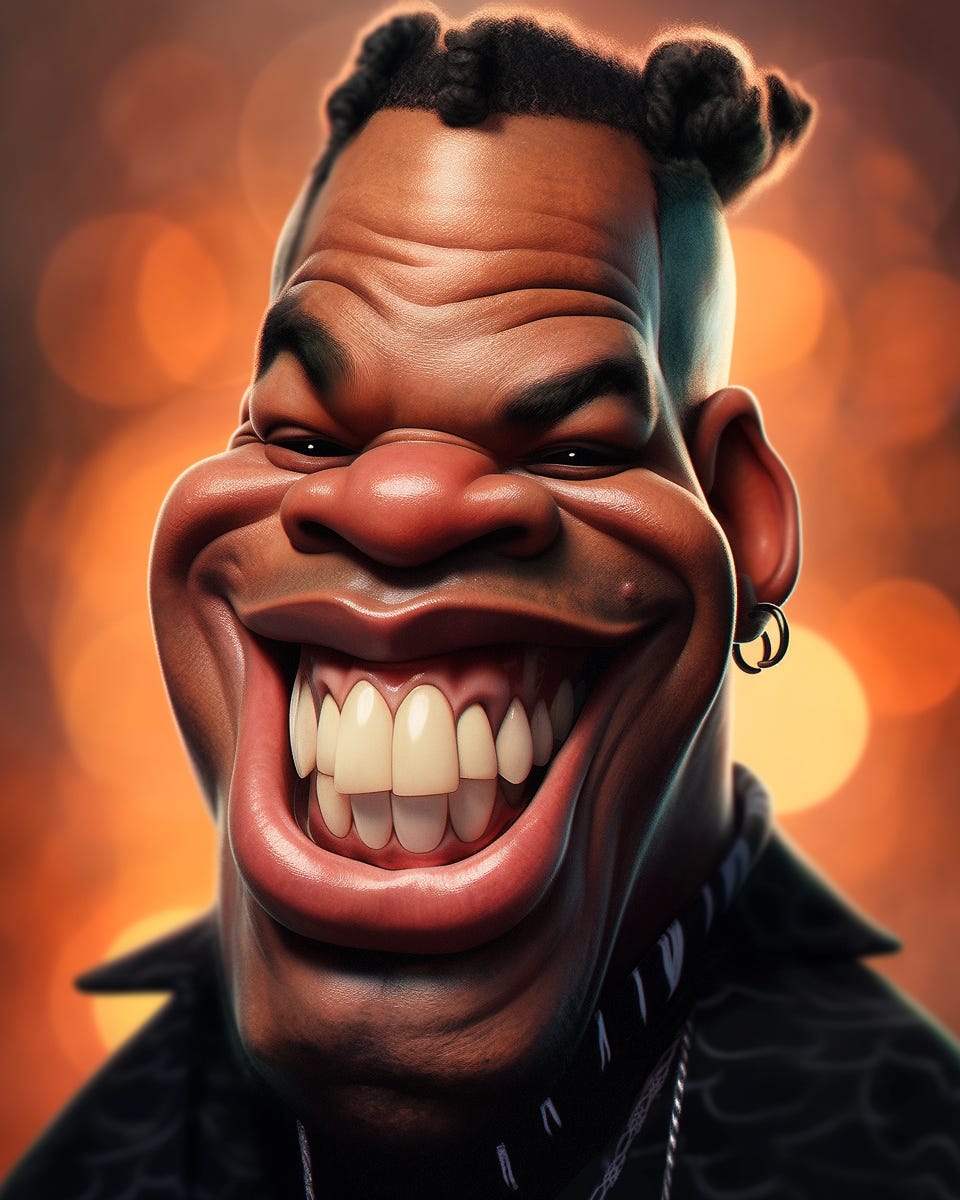
Exaggerated Features: Enlarged heads, prominent noses, and exaggerated facial expressions.
Simplified Lines: Clean, bold lines that emphasize key characteristics.
Humorous Depictions: Designed to be funny and often satirical.
Distorted Proportions: Body parts are often out of proportion to each other.
Expressive Faces: Emphasizes facial expressions to convey personality and emotion.
Detailed Textures: Fine lines and shading to add texture and depth.
Bold Colors: Vibrant and contrasting colors to highlight features.
Dynamic Poses: Characters are often shown in exaggerated, dynamic poses.
Contextual Elements: Incorporates elements that hint at the subject’s profession or personality.
Stylized Clothing: Outfits are often exaggerated to match the character’s persona.
Parodic Style: Often parodies well-known figures and cultural icons.
High Contrast: Strong contrasts between light and dark areas.
Fluid Lines: Smooth, flowing lines that create a sense of movement.
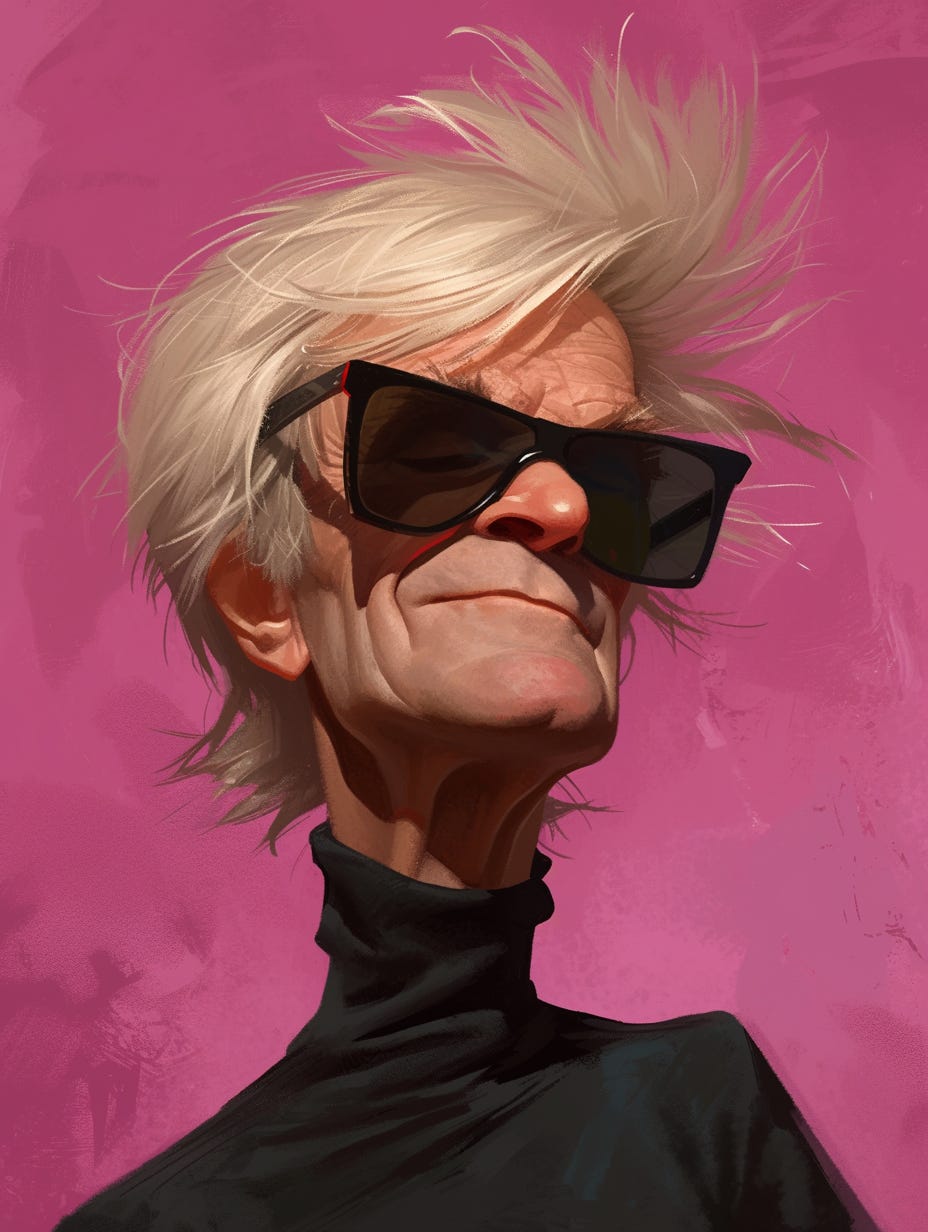
Caricature Hits the Big Screen
Animation brought a new dimension to caricature—quite literally. Studios like Disney and Warner Bros. turned caricature into motion, giving us exaggerated heroes and villains who bounced and squashed their way through our hearts and funny bones.
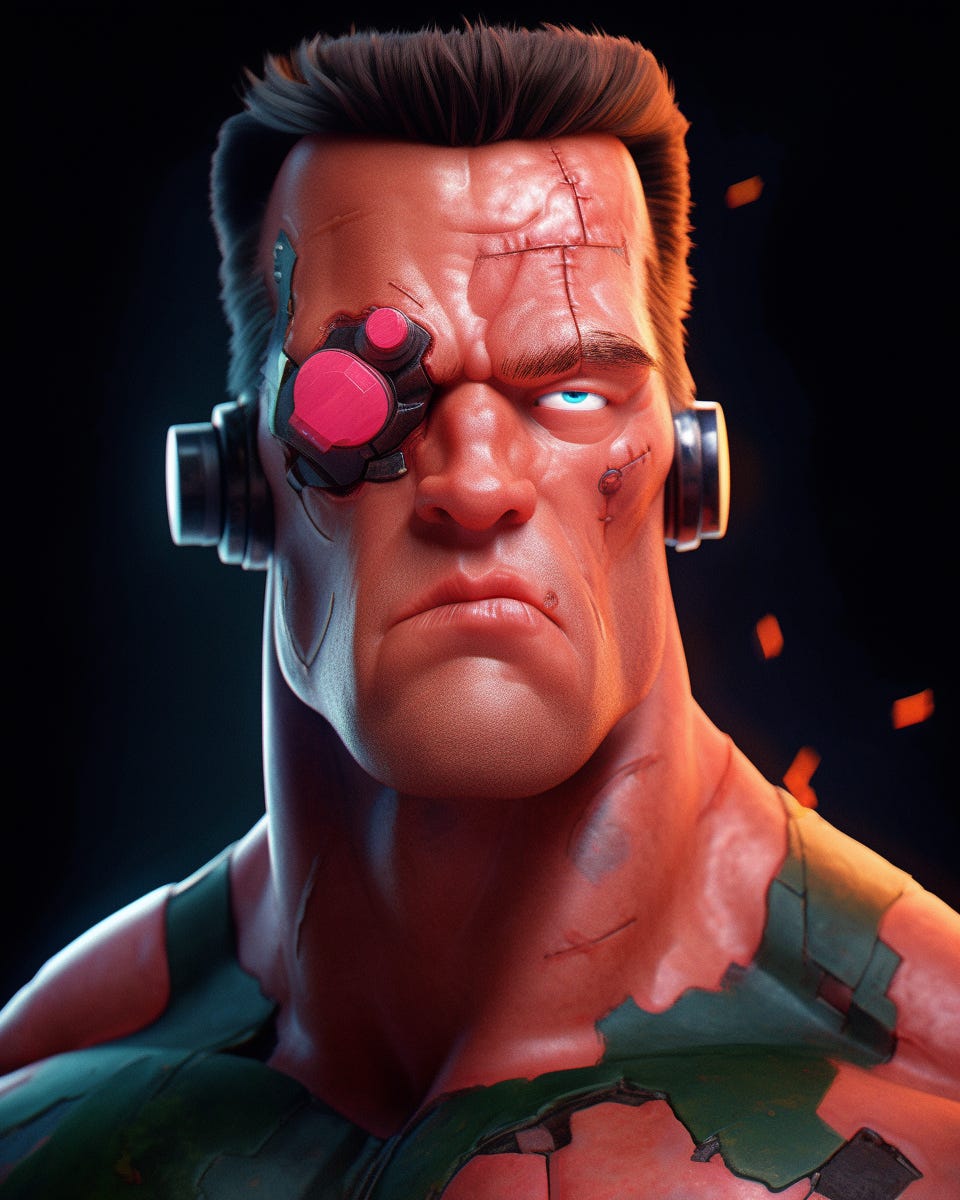
Mocking the Powerful, Powering the Mockery
Caricature art didn't just make us laugh; it shaped political and social commentary. These exaggerated portraits became powerful tools for satire and critique. They exposed the ridiculousness of the powerful, held a mirror to society’s flaws, and provided comic relief during dark times. The true power of caricature isn’t just to mock—it’s to highlight truths sometimes left unsaid. Political cartoons have wielded influence by distilling complex issues into a single, overstated facial expression, proving that sometimes, a big nose can make a big point.
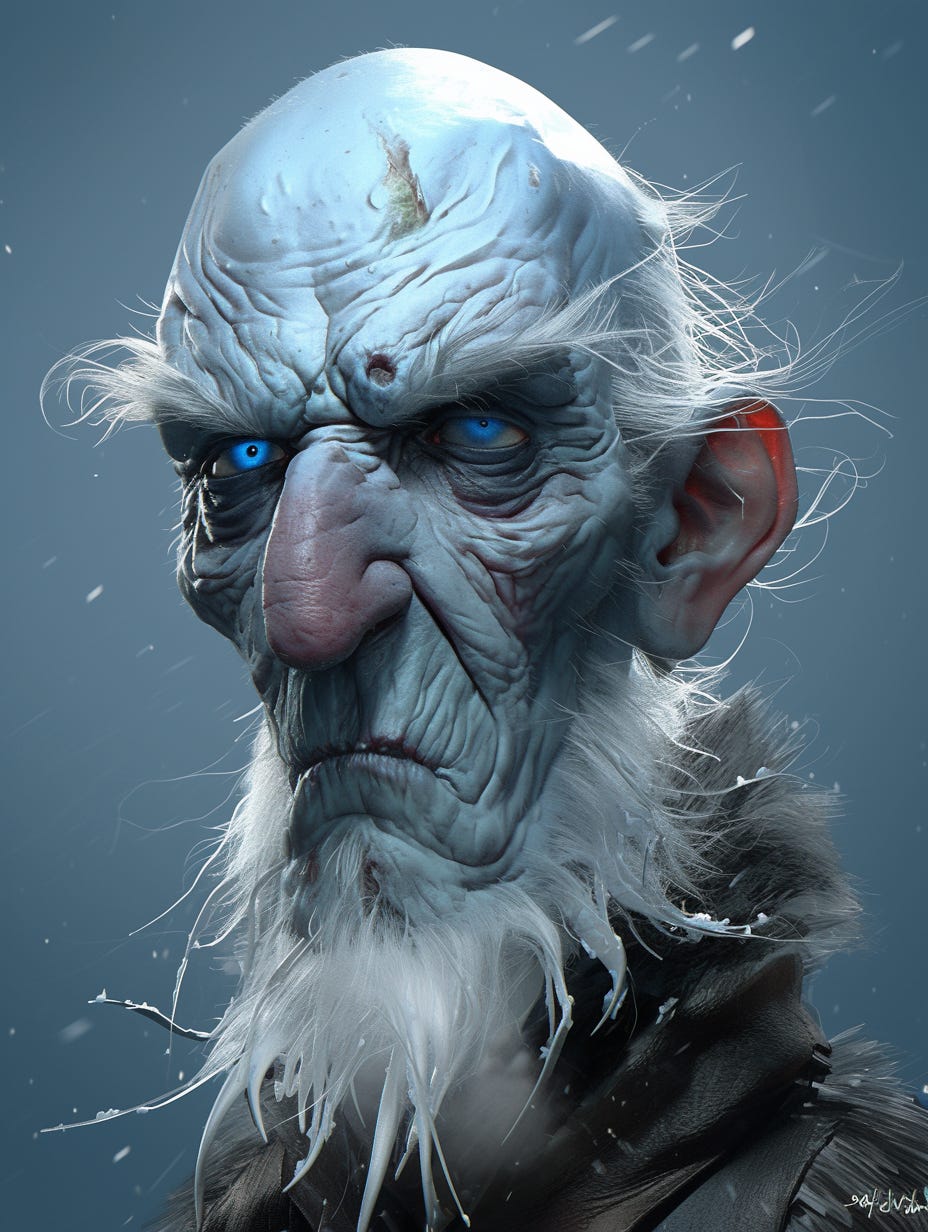
Celebrity Squish and Squash
Everyone from presidents to pop stars has seen themselves caricatured, a testament to an artist’s keen eye for detail hidden in those hyperbolic lines. Caricature remains a staple at fairs and tourist spots, where artists armed with markers make mirth out of mundane mugs.
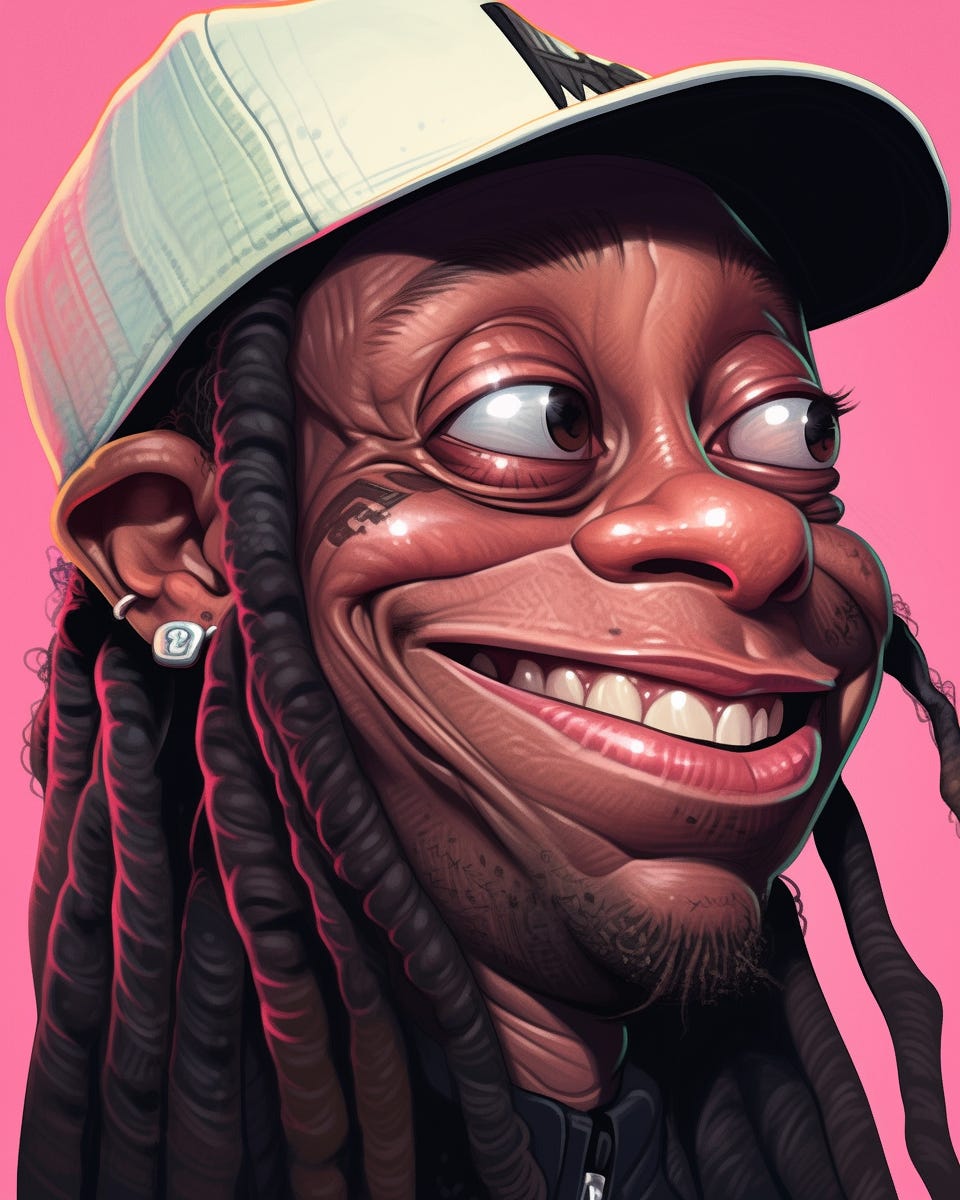
Titans of the Caricature Canvas
Every great art form has its legends, and caricature art is no exception. This wacky world of exaggerated features boasts its own pantheon of influential figures—artists like Al Hirschfeld and Mort Drucker, who have pushed the boundaries of distortion, satire, and humor to new, hilarious heights. These masters of the absurd have left their mark on the art form, each bringing a unique style and perspective to the craft.
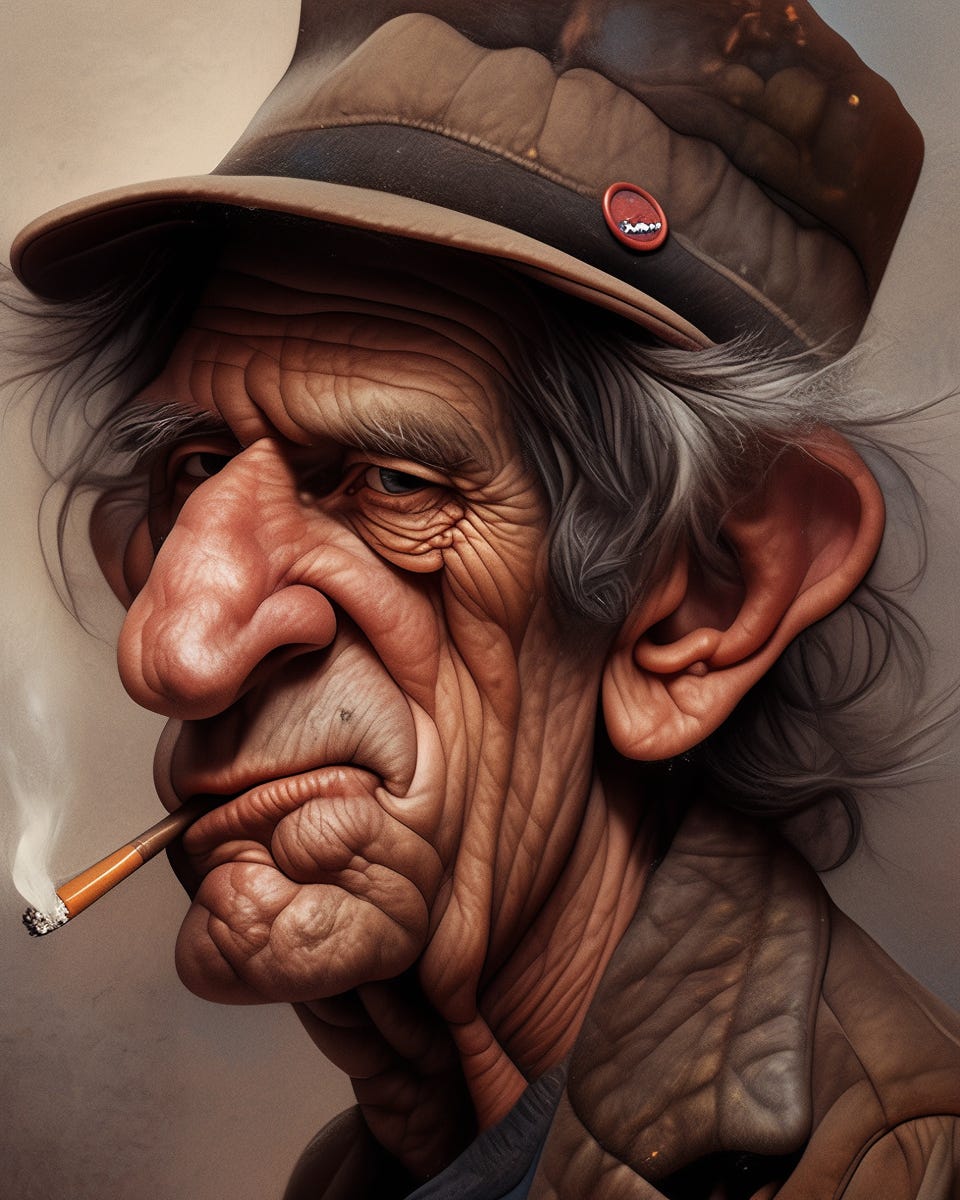

Honoré Daumier: A pioneering figure in caricature art, known for his satirical and exaggerated depictions of political figures in 19th-century France.
Thomas Nast: Often called the "Father of the American Cartoon," Nast's caricatures were influential in shaping public opinion during the 19th century, particularly with his depictions of political figures and social issues.
David Levine: Renowned for his incisive and detailed caricatures of literary and political figures, Levine's work appeared regularly in The New York Review of Books.
Al Hirschfeld: Famous for his line drawings of Broadway stars and celebrities, Hirschfeld's caricatures are characterized by their elegant simplicity and distinctive style.
Gerald Scarfe: A British artist known for his biting political cartoons and caricatures, Scarfe's work often appears in The Sunday Times and other prominent publications.
Mort Drucker: A key artist for MAD Magazine, Drucker's caricatures of celebrities and movie scenes are legendary for their humor and detailed exaggeration.
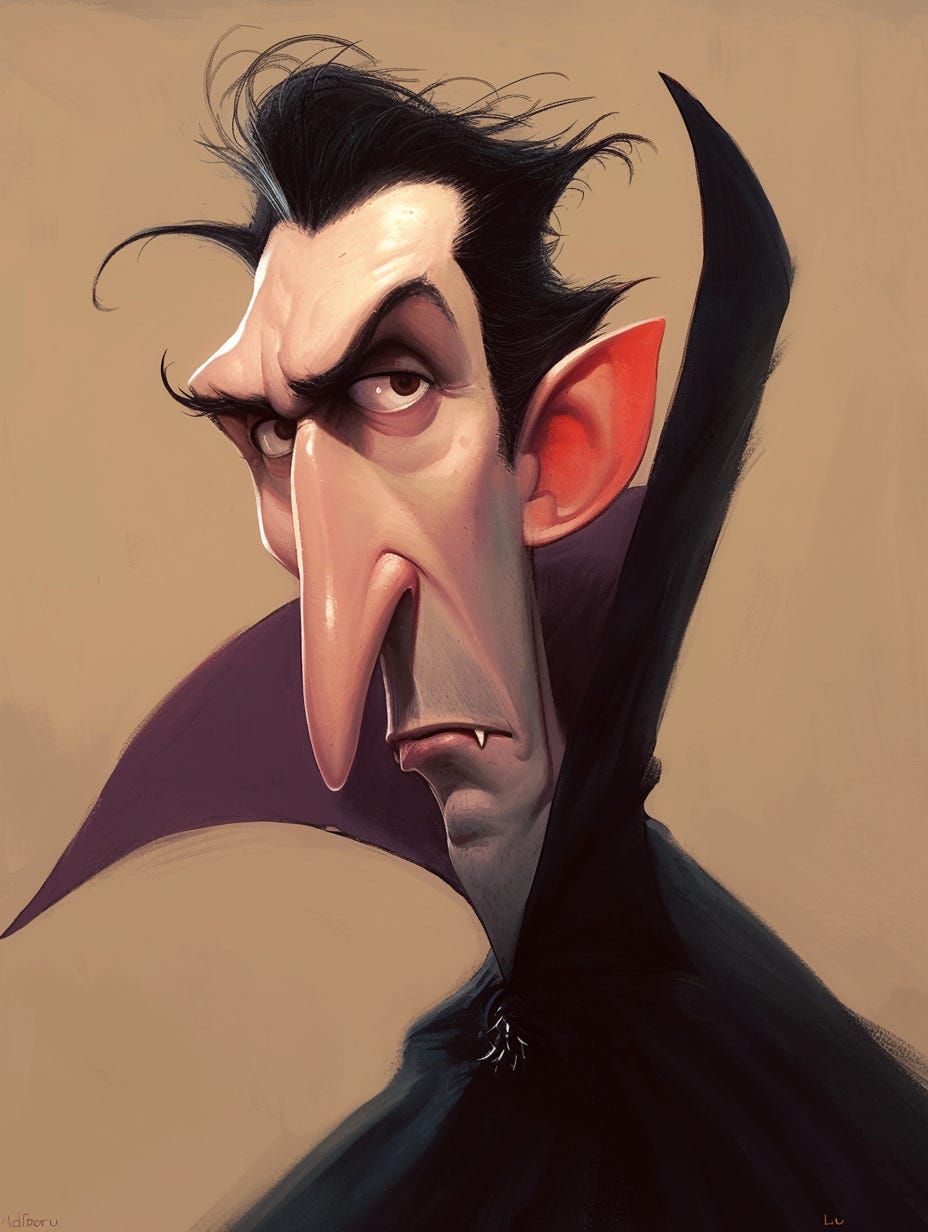
Making Big Waves with Big Noses
Today, caricature art is alive and kicking, and it’s gone digital! With apps and software, anyone can create their own exaggerated masterpieces. Caricaturists at theme parks, fairs, and comic conventions are still making people laugh (and cringe) with their over-the-top renditions. The future looks hilariously distorted, as artists continue to push the boundaries of exaggeration, bringing new life to the art form in ways our Renaissance friends could only dream of.
Long Live the Laughter
And there you have it, folks—a whirlwind tour through the wacky world of caricature art. From its playful beginnings in Renaissance Italy to its current digital domination, caricature art has proven that sometimes, you have to laugh at yourself (or at least your exaggerated, cartoonish self). So next time you see a caricature artist at a fair, don’t shy away—embrace the humor, and maybe even get your own face hilariously distorted. After all, life’s too short to take our features too seriously. Keep laughing, keep sketching, and keep those noses big and bold! ✌️