



In the Beginning,
There Was Light...
And Shadow!
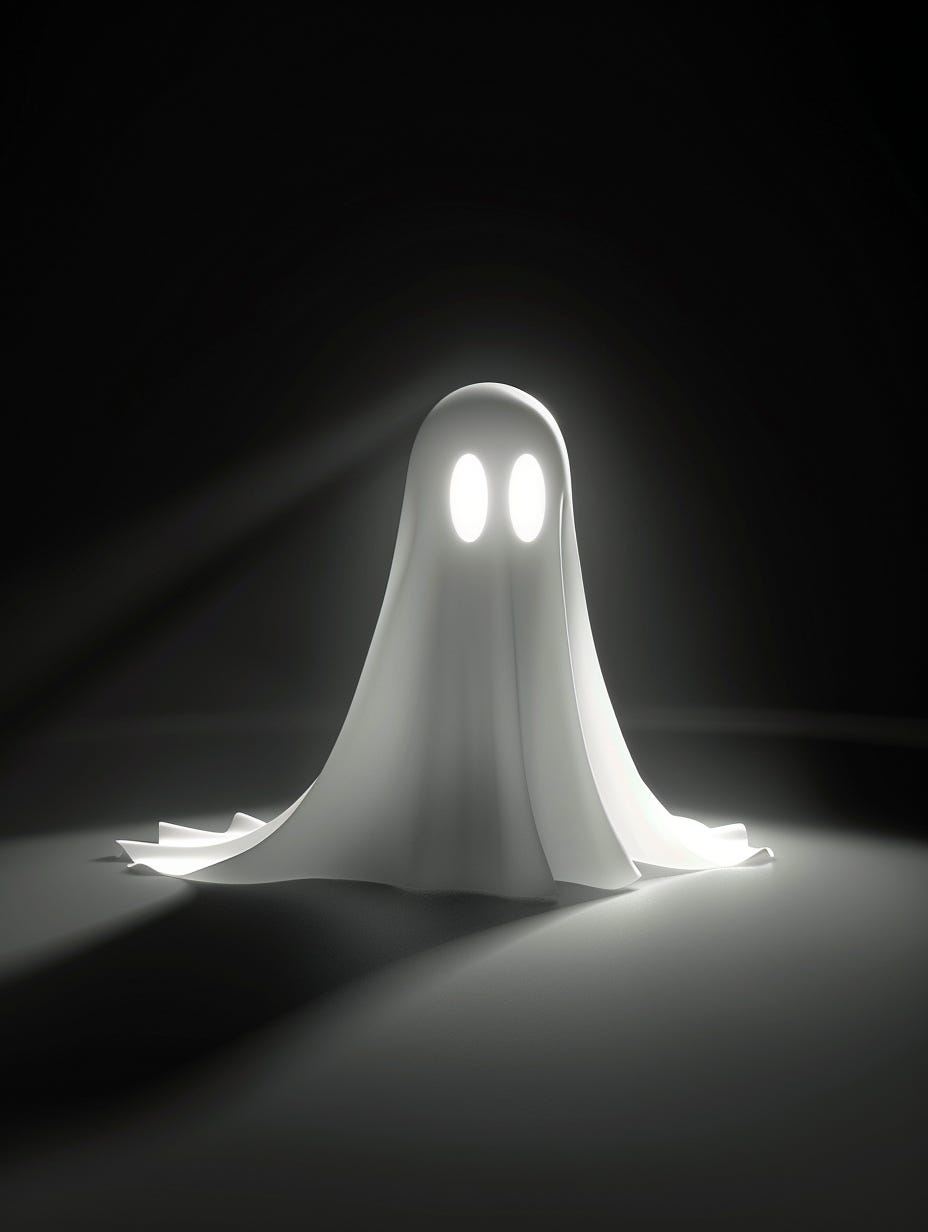
The Origins of Chiaroscuro: Painting with Darkness
Picture it: Italy, way back in the 1500s. Artists like Caravaggio are getting all moody, throwing shade (literally) and light across their canvases like they're remixing reality. Chiaroscuro, this fancy term, which sounds like a delicious espresso but means "light-dark" in Italian, became the Renaissance's answer to 3D glasses. It was all about popping those figures off the canvas and into your personal space bubble.


Tag-style Trigger Tokens:
chiaroscuro
high contrast lighting
deep shadows
spotlight effect
atmospheric lighting
dramatic lighting
focused illumination
light and shadow play
baroque lighting
moody lighting
cinematic chiaroscuro
texture highlighting
narrative lighting
Story-style Trigger Tokens:
in the style of dramatic illumination
chiaroscuro-inspired soft light gradients
tender candlelit scene
tenebrist sharp contrast scene
in the style of chiaroscuro lighting
scientific chiaroscuro style
emotional light contrasts
baroque period dramatic lighting
film noir inspired chiaroscuro
romantic era lighting techniques
enlightenment-inspired chiaroscuro scene
gothic chiaroscuro ambiance
renaissance chiaroscuro interpretation
High contrast: Stark differentiation between light and dark.
Spotlight effect: Use of focused light to illuminate parts of the subject.
Deep shadows: Extensive use of shadows to enhance depth and volume.
Mood creation: Ability to set a dramatic, mysterious, or intimate mood.
Guided focus: Directing the viewer’s attention to specific areas of the artwork.
Realism: Enhanced three-dimensional realism in painting and photography.
Texture emphasis: Highlighting texture details through directed light.
Symbolic use of light: Light and darkness used to symbolize moral or philosophical concepts.
Soft edges: Blurring the lines between light and shadow for a more realistic effect.
Atmospheric depth: Creating a sense of atmosphere and space.
Dramatic entrances: Often used in cinema to introduce characters dramatically.
Interplay of light and color: Although primarily about light and shadow, sometimes involves color to enhance visual impact.
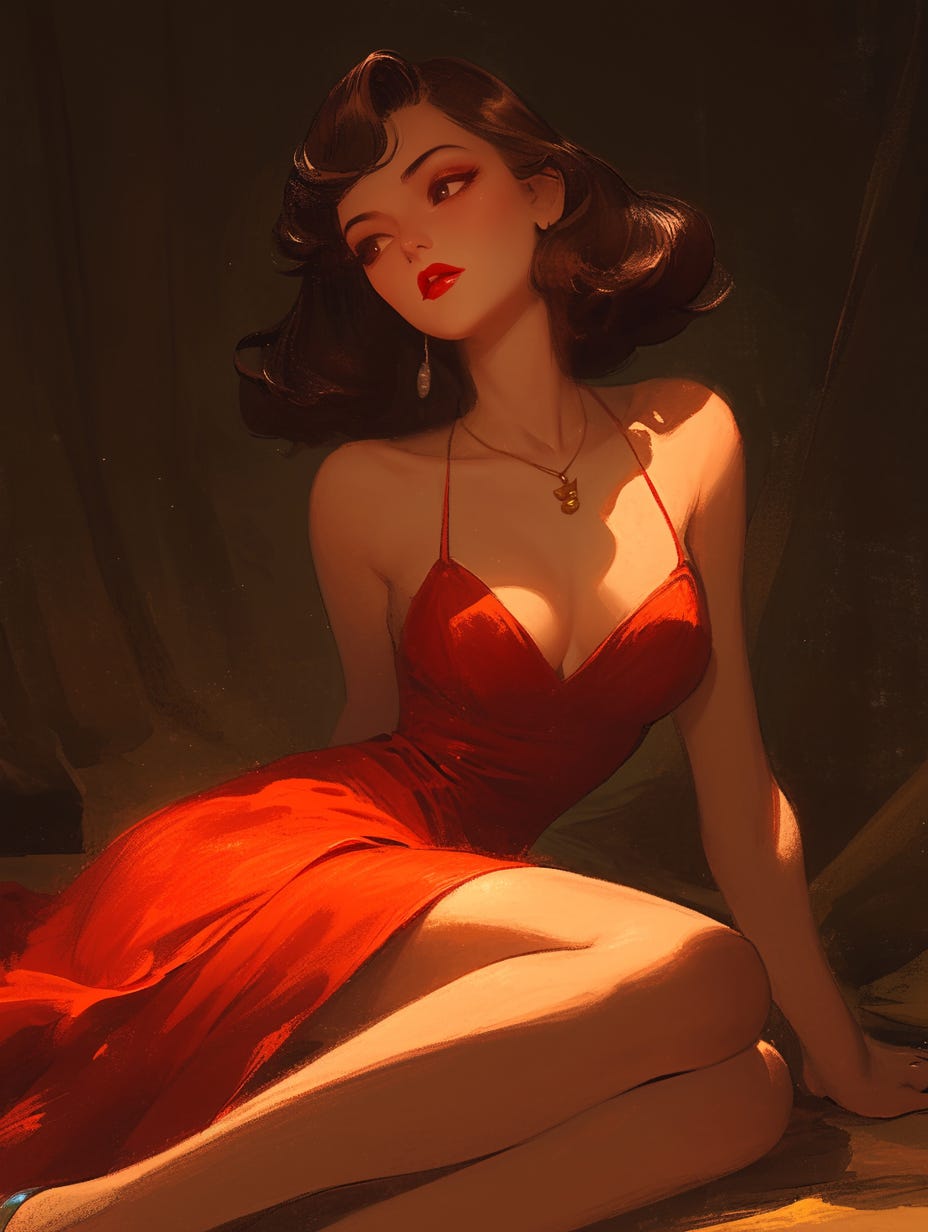

When Chiaroscuro Met Pop Culture
Imagine chiaroscuro as the new kid on the block, turning heads in the art world with its dramatic flair. It was the original Instagram filter, adding depth, volume, and emotion to paintings and later, photographs and films, making everything look cooler, moodier, and infinitely more interesting. It's like chiaroscuro walked into the club, and suddenly, everyone wanted to dance with it.

From Canvas to Camera
Chiaroscuro in Film
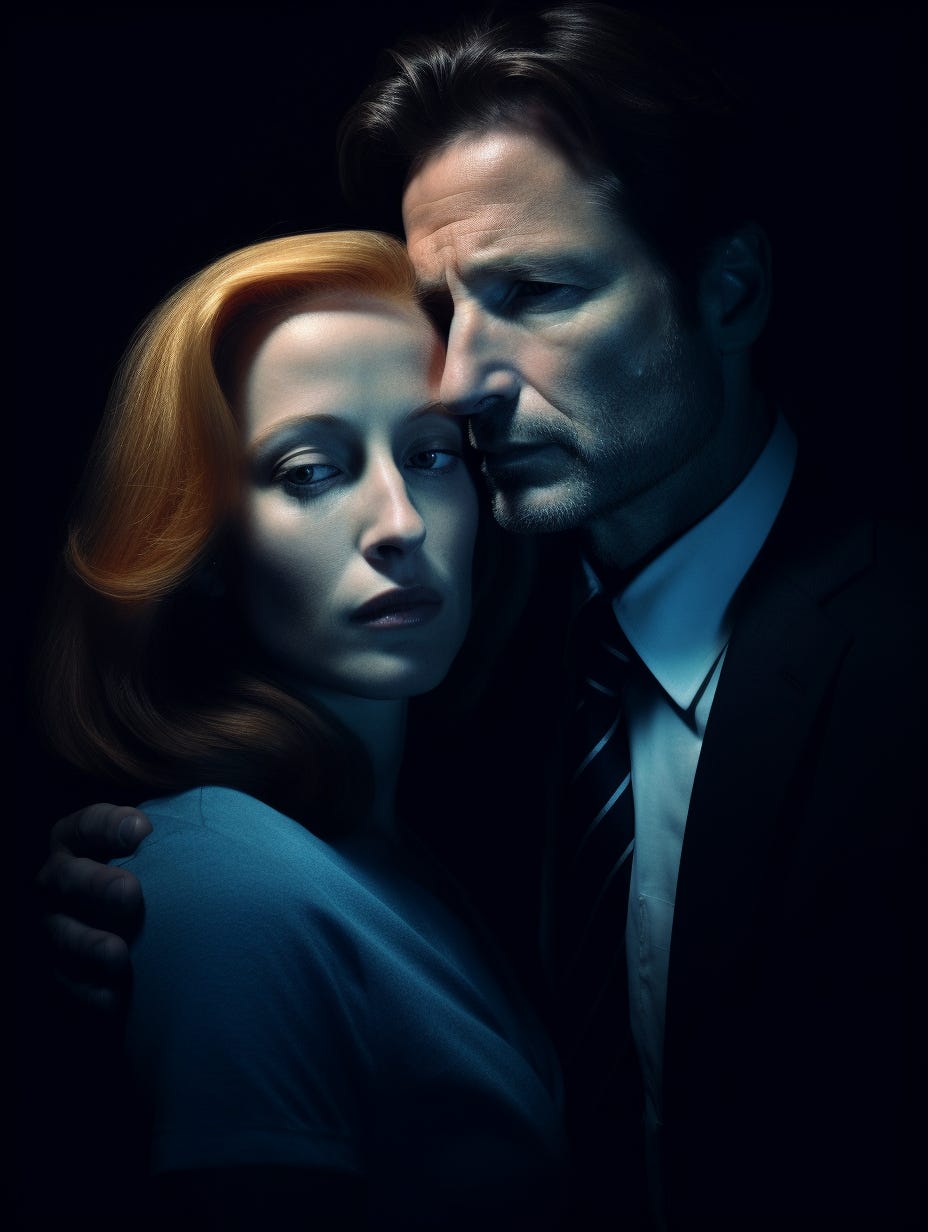
As technology evolved, chiaroscuro shrugged off its Renaissance robes and jumped into the world of film noir, becoming the lighting of choice for detectives who spent too much time pondering life in dimly lit bars. It's the reason why every time you see a detective thinking hard about a case, half their face is shrouded in mystery (and shadow).
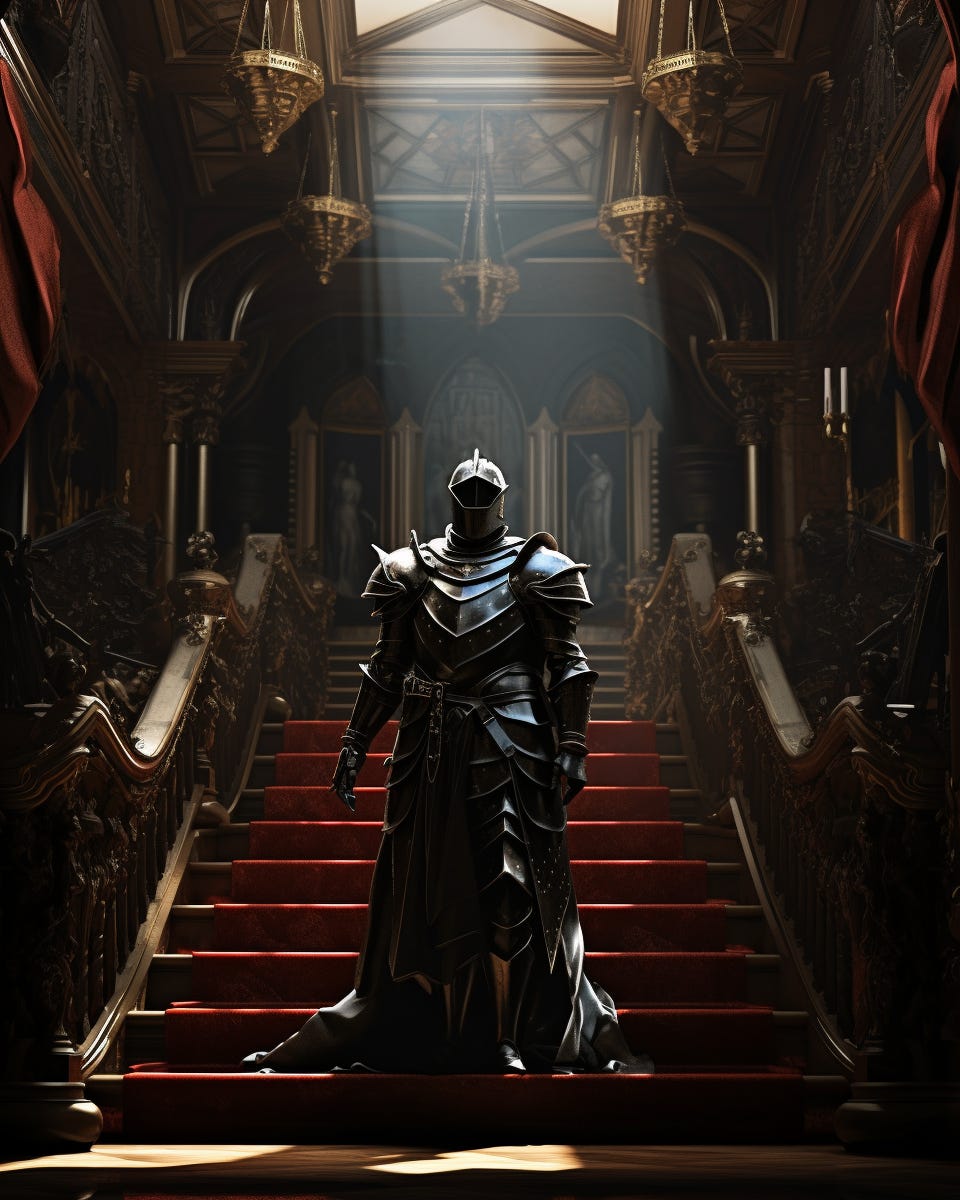
Chiaroscuro in Modern Media
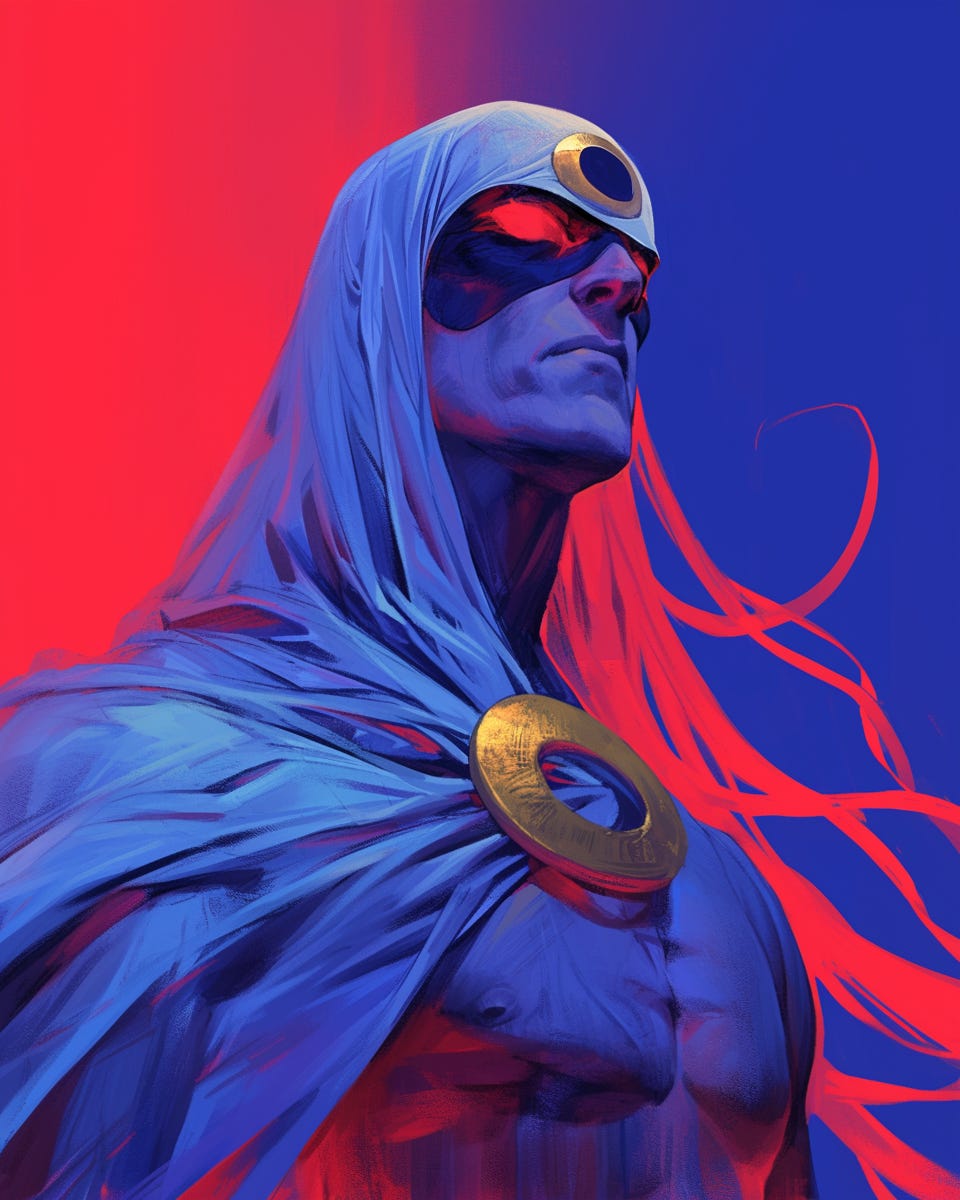
Fast forward, and chiaroscuro is now the go-to for any director wanting to add a pinch of drama and a spoonful of suspense to their scenes. It's like the Swiss Army knife of lighting techniques, versatile and always cool under pressure, whether illuminating the chiseled jaw of a superhero or casting long shadows in an eerie alleyway.
More Than Just a Pretty Light
Chiaroscuro's Role in Storytelling
This isn't just about making things look pretty; chiaroscuro shapes how we feel about a scene. It's the difference between a romantic dinner and a creepy, "why did I swipe right" dinner, all thanks to lighting. Chiaroscuro doesn't just illuminate; it communicates, playing on our deepest fears and desires, often at the same time.

Influencers of Chiaroscuro
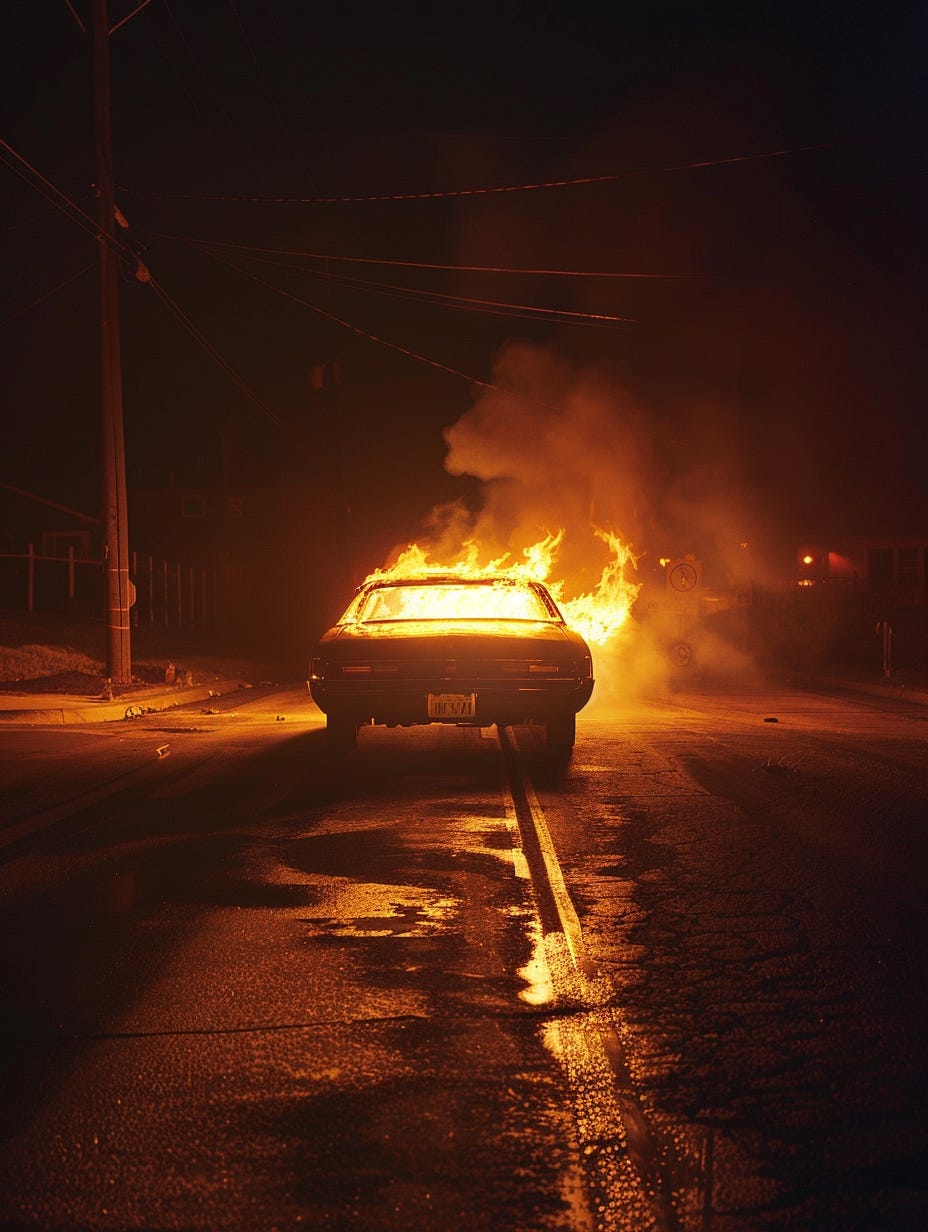
From Caravaggio's dramatic tableaus to Spielberg's cinematic masterpieces, chiaroscuro has been the secret sauce behind countless works of art and film. It's like the Kevin Bacon of visual techniques, somehow connected to everything cool and noteworthy.
Caravaggio: Known for his dramatic use of lighting and shadow that helped define the Baroque period. His works often featured a striking contrast between light and dark, creating intense emotional expressions and a vivid sense of depth.
Rembrandt: Master of light and shadow, Rembrandt used chiaroscuro to bring a humane and emotional depth to his portraits and biblical scenes. His technique involved subtle gradations of light which highlighted the texture and complexity of his subjects.
Georges de La Tour: A French Baroque painter who employed chiaroscuro in a more muted and tender manner, often using candlelight as the sole light source, creating soft and intimate illuminations on his subjects.
Tenebrists: Although not a single artist, this group followed Caravaggio’s style, characterized by dramatic illumination and stark contrasts, pivotal in the evolution of chiaroscuro in the 17th century.
Joseph Wright of Derby: An English painter who used chiaroscuro to emphasize the contrast between the Age of Enlightenment and the emerging industrial era, particularly in his paintings depicting scientific experiments.
Goya: Although later than the traditional chiaroscuro period, Goya used sharp contrasts of light and dark to enhance the emotional expression of his scenes, particularly in his darker and more dramatic late works.
Into the Light
Chiaroscuro in the Digital Age
Today, chiaroscuro hasn't lost its edge. It's found a new playground in the digital world, from video games casting shadows in haunted mansions to Instagram filters that make your morning coffee look like a scene from a noir thriller. Chiaroscuro is more relevant than ever, proving that good lighting never goes out of style.

The Future is Bright... And Dark
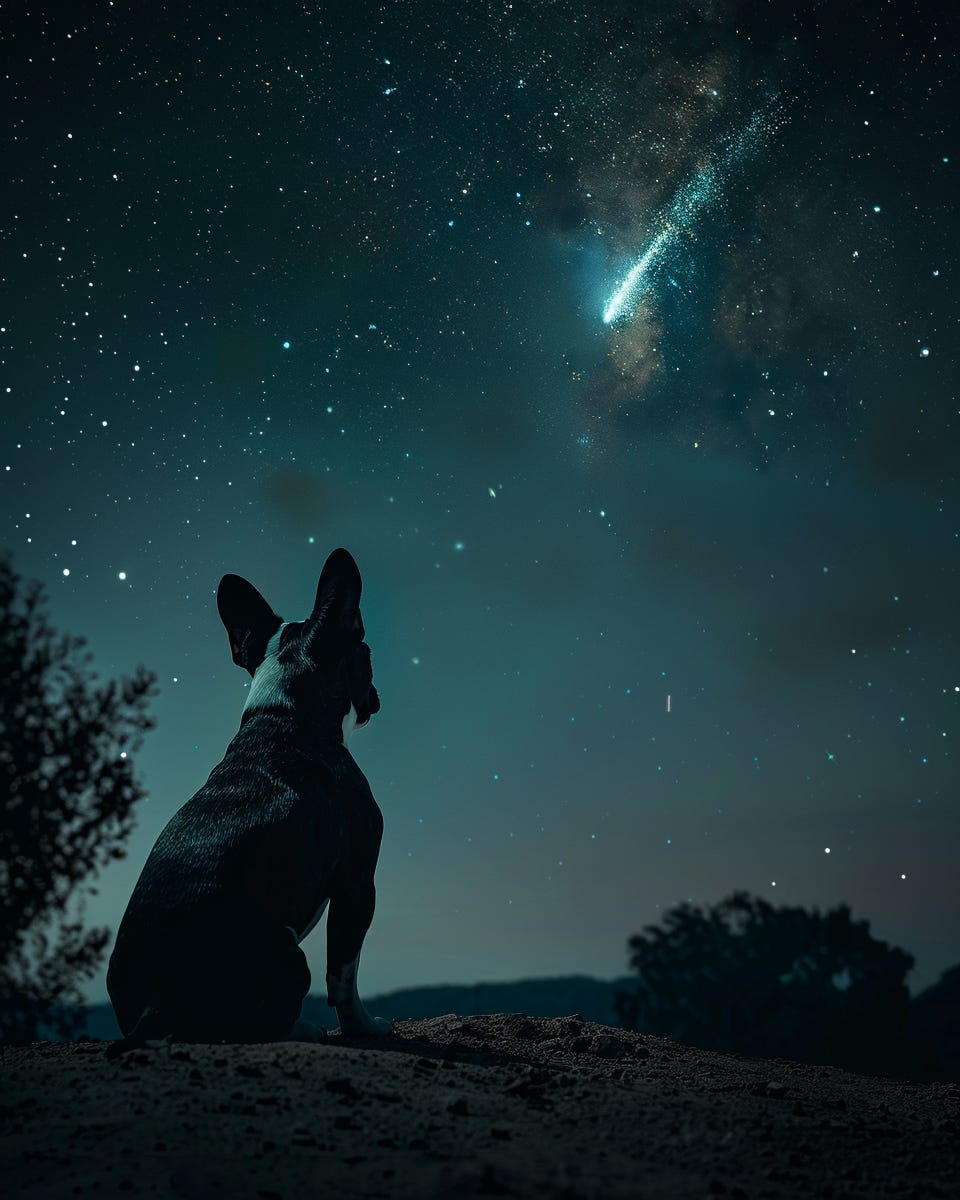
What's next for chiaroscuro? Perhaps holograms that use light and shadow to pop out of our phones or virtual reality experiences so immersive you'll need a flashlight. The possibilities are as endless as the interplay between light and shadow. One thing's for sure: chiaroscuro will continue to shape our visual and emotional landscapes, turning the ordinary into the extraordinary.
The Everlasting Glow of Chiaroscuro
As we bring our journey through the world of chiaroscuro to a close, let's remember that this isn't just a lighting technique; it's a storyteller, a mood setter, and a scene stealer. Chiaroscuro reminds us that the interplay between light and shadow is what gives depth and emotion to our visual experiences. So next time you're watching a film or admiring a painting, take a moment to appreciate the chiaroscuro effect. It's the unsung hero working behind the scenes, making sure every scene, every shot, and every brushstroke hits you right in the feels. And who knows? Maybe you'll start seeing your world in a whole new light... and shadow.✌️