



Illuminating
The Drama
Welcome to the world of cross key lighting, where shadows play hide and seek, highlights flirt shamelessly, and every scene looks like it’s about to spill a juicy secret. Whether you’re shooting a noir thriller or just trying to make your cat videos look cinematic, cross key lighting is here to add some serious flair.

From Theatrical Roots to Cinematic Heights
Cross key lighting didn’t just pop up overnight. Its roots go back to the grand old days of theater, where dramatic lighting was essential for setting the mood and making sure everyone knew when a character was feeling extra shady. Directors and lighting designers used strategically placed lights to create tension and highlight the action—because nothing says “drama” like a well-placed shadow.

Hollywood Takes Note
When cinema came along, filmmakers quickly realized that cross key lighting could make their scenes pop with the same dramatic flair. Directors like Alfred Hitchcock and Orson Welles used this technique to add depth and intrigue to their films, turning everyday scenes into visually striking moments. Thanks to these pioneers, cross key lighting became a staple in the cinematographer’s toolkit.


Trigger Tokens:
cross key lighting,
cross lighting,
dramatic shadows,
high contrast,
directional lighting,
soft highlights,
textured lighting,
texture details,
texture emphasis,
balanced composition,
depth and dimension,
highlighting features,
cinematic feel,
artistic shadows,
layered lighting,
controlled light spill,
balanced light,
sidelight,
directional light,
dimensional lighting,
multi source lighting,
revealing light,
angle light,
depth,
Prompt Starts:
A dramatic portrait of [subject] with cross key lighting
----
high contrast lighting in a portrait of [subject]
----
soft highlights enhancing features of [subject]
----
textured lighting on [subject]
----
balanced composition of [subject] with light and shadow
----
highlighting features of [subject] with light
----
cinematic feel in a cross key lit scene featuring [subject]
----
artistic shadows in a portrait of [subject]
----
[subject] with layered lighting effects
----
controlled light spill on [subject]
Classic Film Noir: Shadows Galore
In the 1940s and 50s, cross key lighting hit its stride with the rise of film noir. These gritty, moody films were all about dark shadows and stark contrasts, perfect for tales of crime, mystery, and moral ambiguity. Cross key lighting was used to highlight the tension between characters, casting long, dramatic shadows that seemed to have secrets of their own. It was the visual equivalent of a detective’s gravelly voiceover.


Dramatic Shadows: Strong, defined shadows that enhance the mood and depth.
High Contrast: Significant differences between light and dark areas.
Directional Lighting: Light coming from multiple directions to create depth.
Soft Highlights: Gentle highlights that add dimension without harshness.
Textured Lighting: Light that emphasizes the texture of the subject.
Balanced Composition: Even distribution of light and shadow across the composition.
Depth and Dimension: Use of lighting to create a three-dimensional effect.
Mood Enhancement: Lighting that sets or enhances the emotional tone.
Highlighting Features: Use of light to accentuate specific features or details.
Cinematic Feel: A lighting style that resembles film stills or movie scenes.
Artistic Shadows: Shadows that add an artistic or abstract element to the composition.
Layered Lighting: Multiple layers of light creating a complex visual effect.
Controlled Light Spill: Precise control of where the light falls and fades.
From Blockbusters to Vlogs
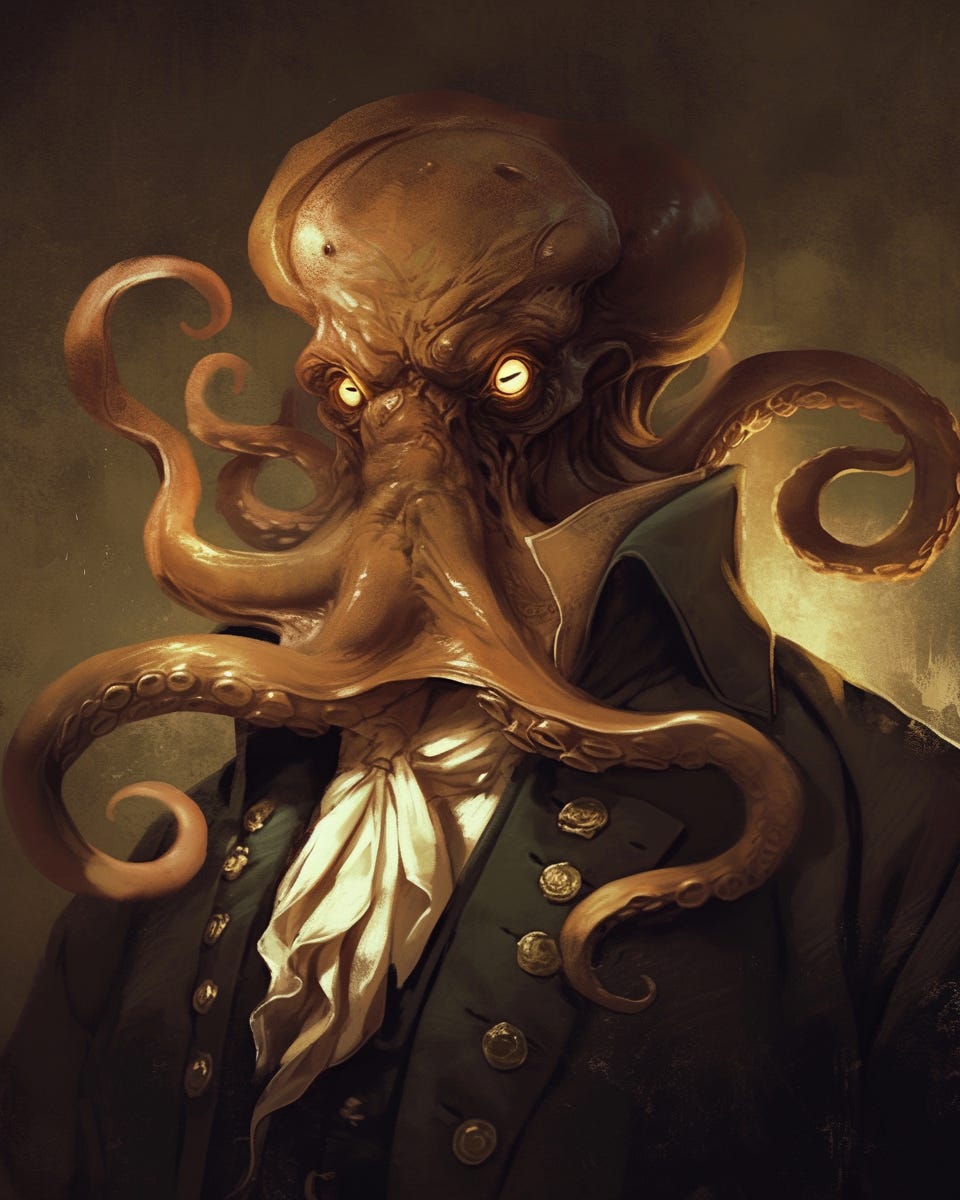
Modern filmmakers use cross key lighting to add depth and texture to their scenes, making sure that even the most mundane moments look cinematic. And with the rise of digital media, even amateur videographers are getting in on the action, using cross key lighting to make their content stand out.

Turning Ordinary into Extraordinary
The beauty of cross key lighting is its ability to transform ordinary scenes into something visually captivating. By playing with light and shadow, this technique adds depth and dimension, making characters and settings come alive. It’s like giving your visuals a dramatic makeover, complete with smoky eyes and a sultry pout.
Emphasizing Emotion
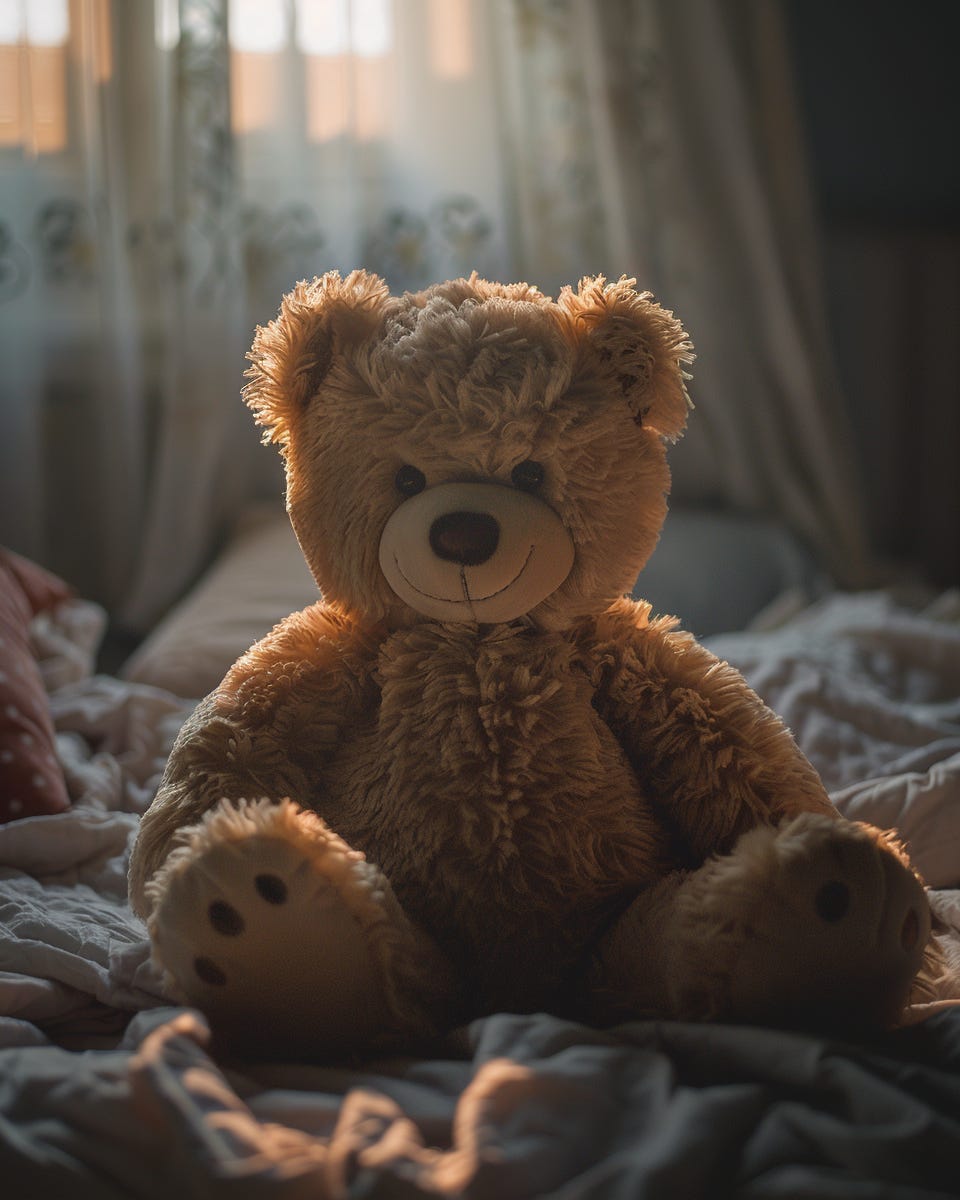
Cross key lighting isn’t just about looking good—it’s about feeling good (or bad, or mysterious, or whatever emotion you’re going for). The interplay of light and shadow can emphasize emotions, highlighting a character’s inner turmoil or adding a sense of danger to a scene.
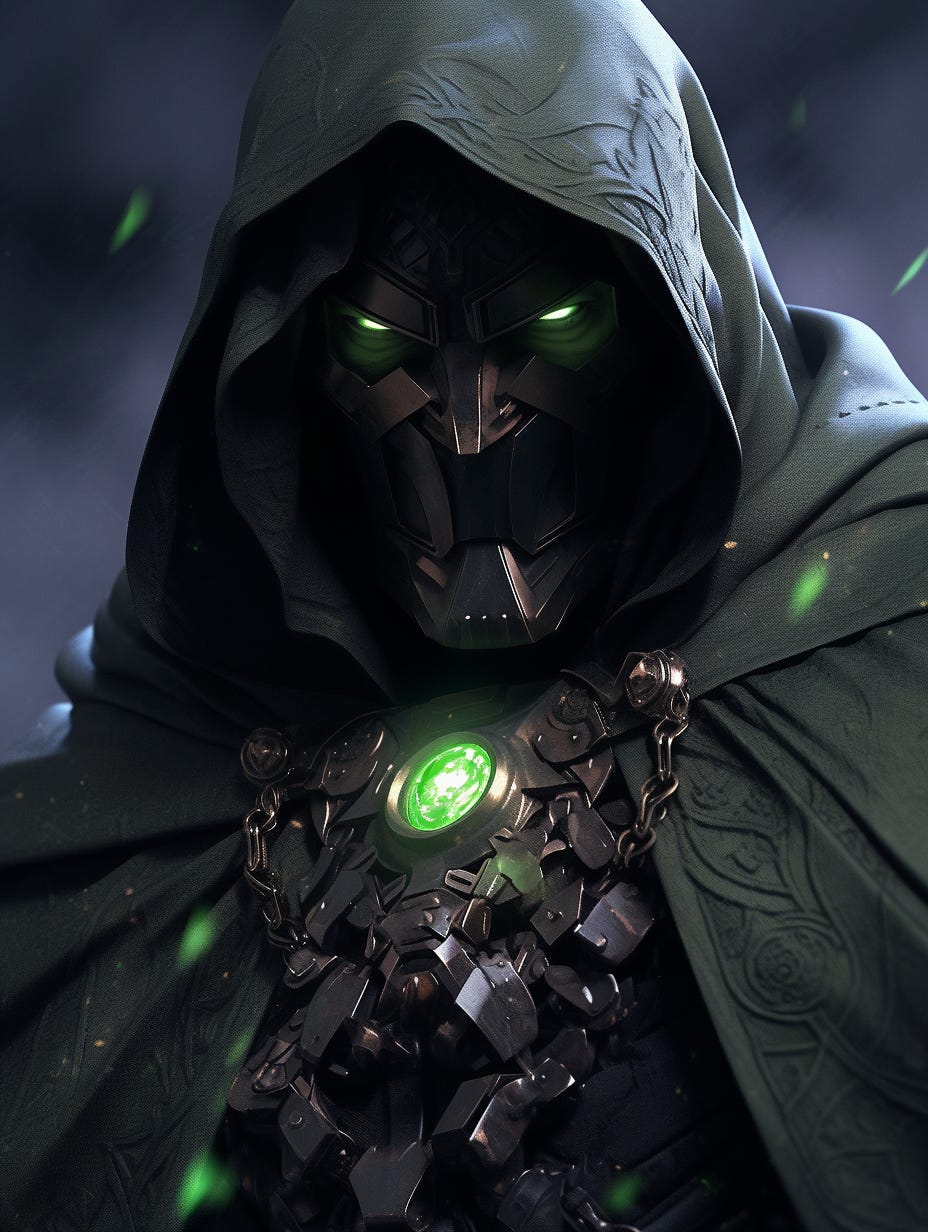

Rembrandt van Rijn: Renowned for his mastery of chiaroscuro and cross key lighting, Rembrandt's portraits exemplify the dramatic interplay of light and shadow.
George Hurrell: A leading Hollywood glamour photographer, Hurrell's use of cross key lighting brought depth and dimension to his portraits of stars.
Alfred Stieglitz: An influential photographer known for his artistic portraits, Stieglitz’s work often utilizes cross key lighting to enhance the mood and texture.
Caravaggio: A master of dramatic lighting, Caravaggio's use of cross key lighting in his paintings creates a sense of depth and realism.
Yousuf Karsh: Famous for his striking portraits, Karsh's use of cross key lighting highlighted the character and intensity of his subjects.
Gregory Crewdson: Known for his elaborately staged photographs, Crewdson uses cross key lighting to create a cinematic and haunting atmosphere.
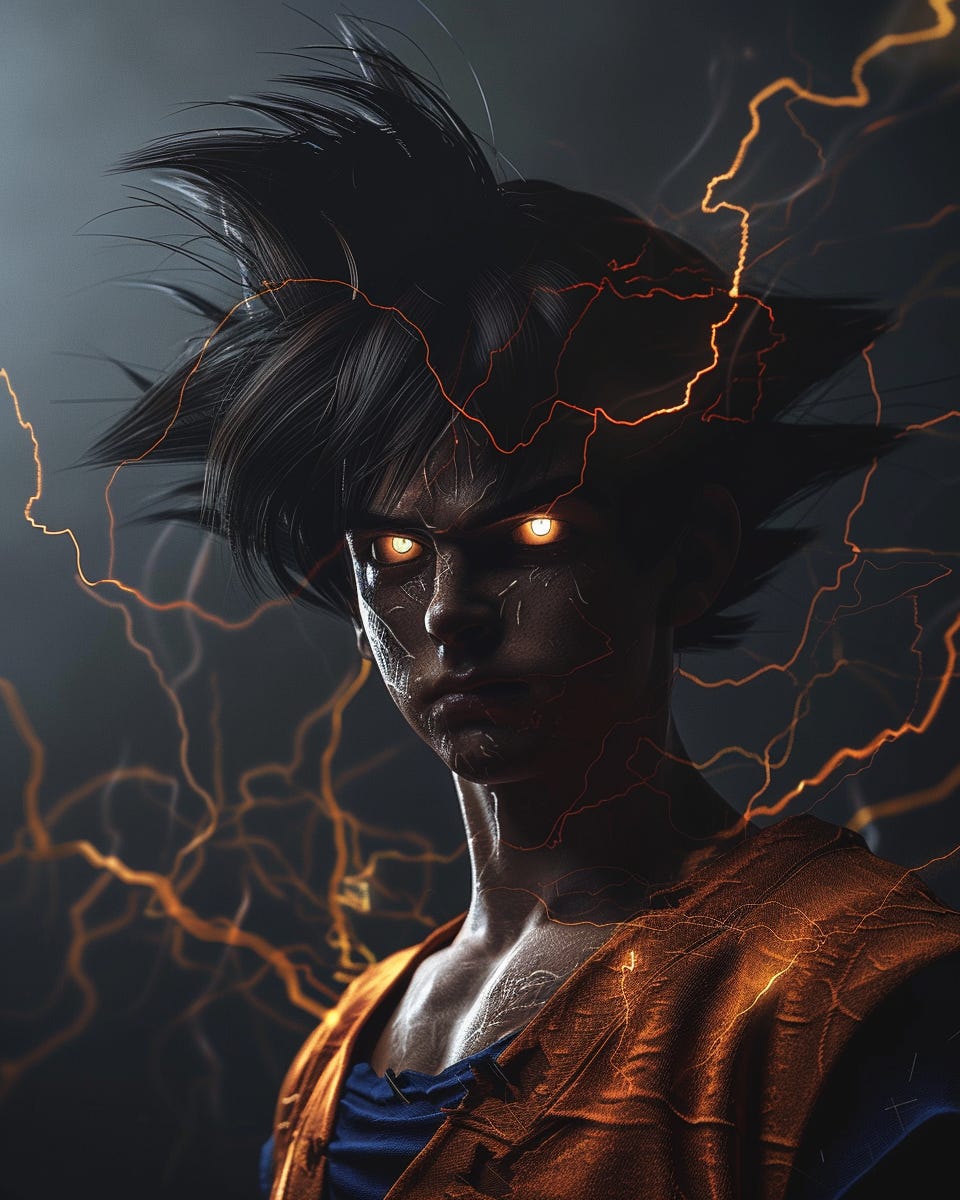
Cross Key Lighting Now
In today’s digital world, cross key lighting is more accessible than ever. With affordable lighting kits and easy-to-use software, even novice filmmakers can experiment with this dramatic technique. Online tutorials and courses make it easy to learn the ropes, so anyone can add a touch of cinematic flair to their projects. It’s never been easier to make your videos look like a Hollywood production.

Keep it Dramatic
From its theatrical origins to its modern-day applications, this technique proves that sometimes, the best way to illuminate a story is to play with shadows. Whether you’re shooting a moody film noir or just trying to make your TikTok videos look a tiny bit more epic, cross key lighting is your go-to for adding depth, drama, and a touch of cinematic magic. Here’s to the art of lighting, where every shadow tells a story and every highlight makes a statement. ✌️