


Where the Error
Becomes the Art
Welcome to the chaotic, kaleidoscopic world of Glitch Art, where the mistakes you accidentally make in Photoshop after three too many energy drinks turn into a gallery-worthy masterpiece. It's like if your TV started freaking out, but instead of smacking it, you sold it to an art gallery. Strap in and put on your 3D glasses (even though they don't do anything here), because we're diving headfirst into the vibrant vortex of visual verve that is Glitch Art!

The Birth of a Bug
Glitch Art didn't start because someone was trying to fix something; it started because someone noticed that breaking things could look pretty darn cool. Flashback to the early days of digital art, where artists like Rosa Menkman looked at a corrupted JPEG and saw the Mona Lisa of the modern age. These artists took "error message" and heard "emerging masterpiece."

Early Glitch Art Incarnations
The first glitches were like seeing a unicorn in a field of horses—unexpected and magical. They popped up everywhere from cruddy old televisions to the first computers that spent more time crashing than working. Each glitch was a rebellion against perfection, a snapshot of what happens when technology throws a tantrum.

Tag-style Trigger Tokens:
pixel glitch
corrupted data
static noise
color shift
VHS effect
data bending
real-time glitch
software bug art
digital decay
JPEG degradation
feedback loop
algorithmic error
glitch-art hybrid
glitch art
glitchcore
digital error
unexpected aesthetics
pixelated image
screen glitch
pixel distortion
color shifts
digital noise
unexpected pixels
pixelated distortions
screen malfunction
Story-style Trigger Tokens:
Broken digital landscape
Glitched-out cityscape
Corrupted digital portrait
Static-filled artwork
Algorithmically altered
VHS-tape nostalgia effects
Data-bent music video aesthetic
Live glitch manipulation visuals
Software malware visualization
Decayed digital archive
Feedback loop glitch patterns
Error-induced abstract art
Hybrid analog-digital image
Visual distortions, such as pixelation, fragmentation, and data moshing.
Aesthetic of corruption, where images appear partially destroyed or altered by digital errors.
Use of static and noise, incorporating visual static as a layer or background feature.
Color channel shifting, often misaligning RGB channels to create surreal color effects.
Scan lines and VHS aesthetics, mimicking the look of old video tape recordings.
Digital decay, simulating the degradation of digital files over time.
JPEG deterioration, repeatedly saving an image as a JPEG to degrade its quality deliberately.
Hybrid forms, blending digital and analog techniques to create unique effects.
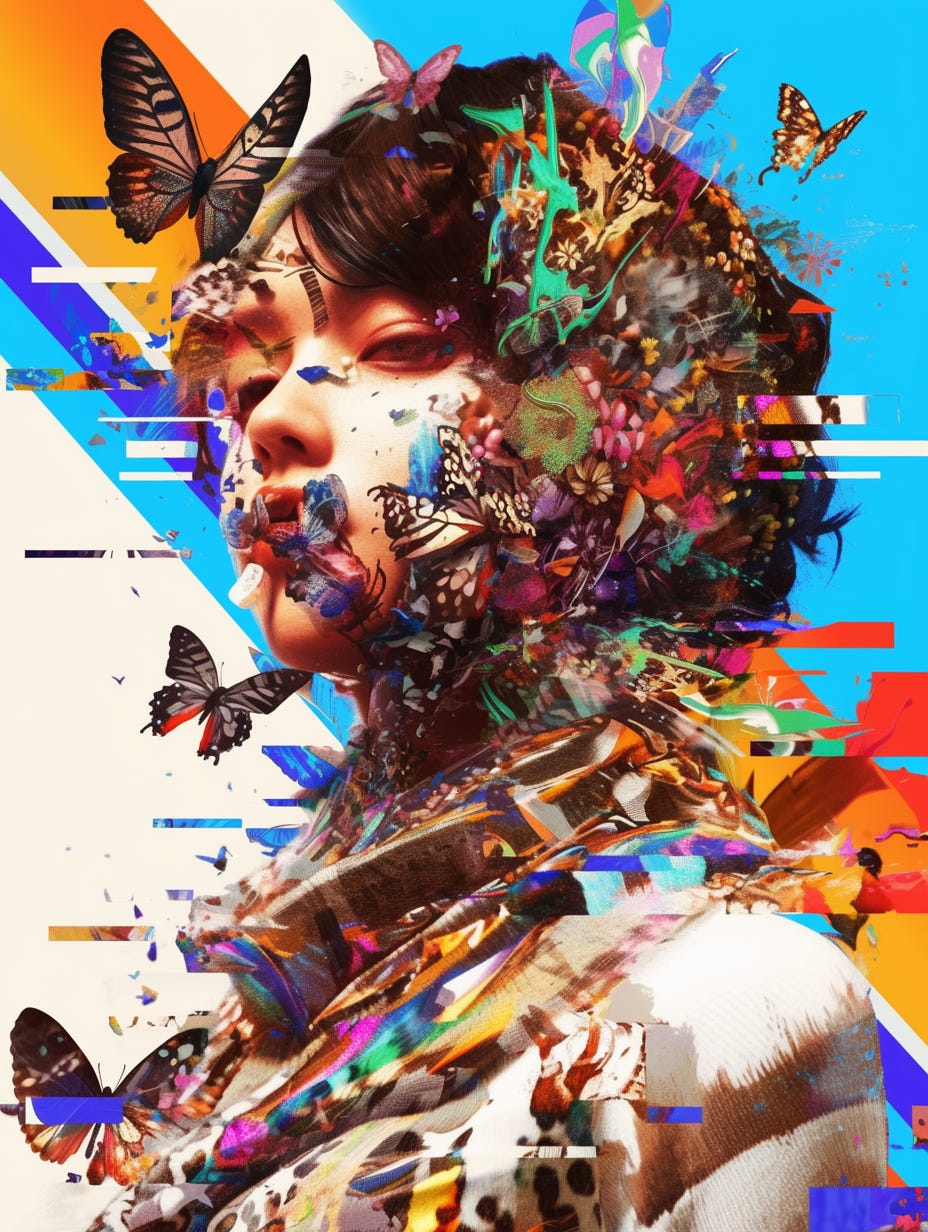
The Mainstream Makeover
As technology evolved, so did the glitches. What started with random errors on digital screens turned into artists deliberately databending, circuit bending, and generally bending the rules of what art could be. Software like Adobe Photoshop and hardware like modded old Game Boys became the brushes and canvases for glitch artists.
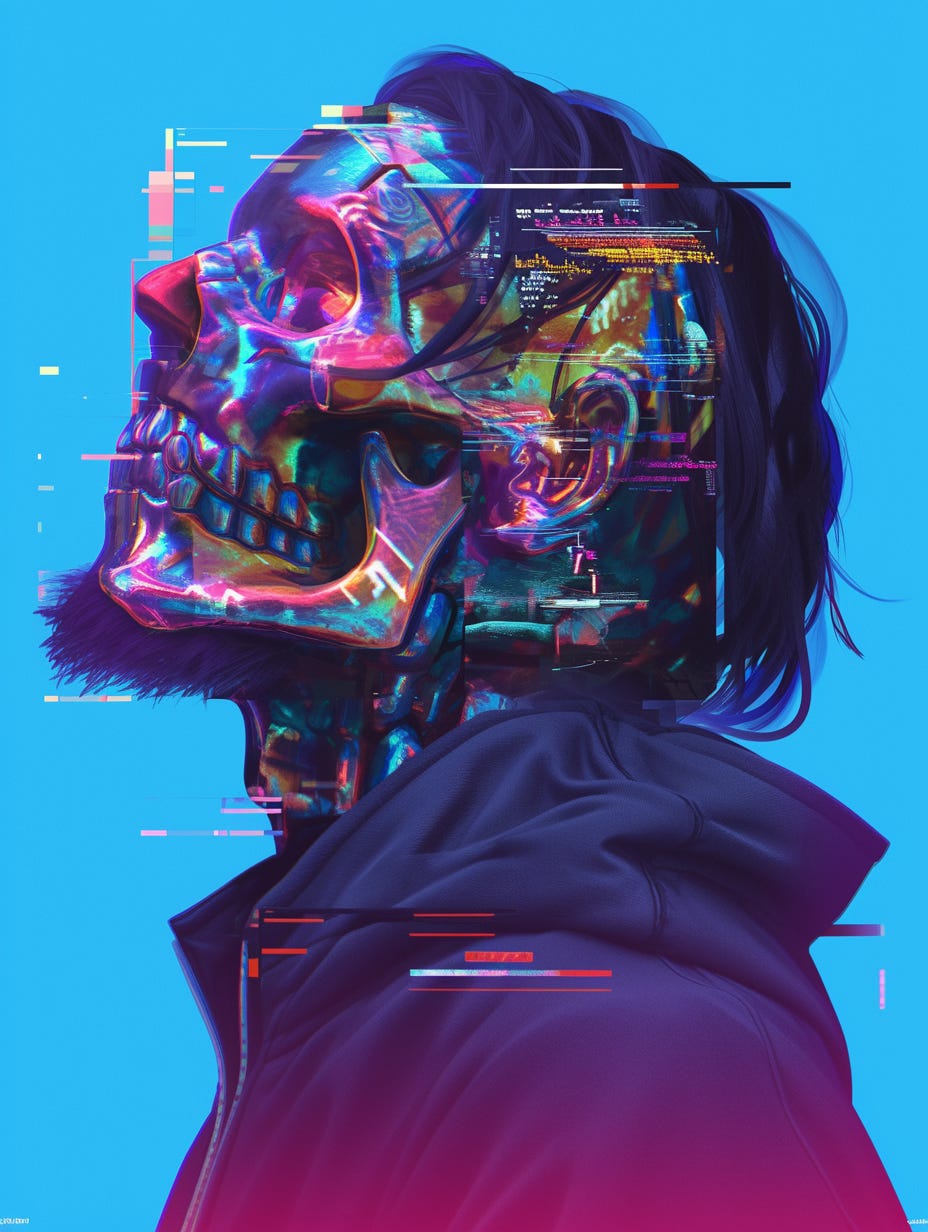
The Rise of Aesthetic Anarchy
Glitch Art started popping up in music videos, movies, and even fashion—because nothing says "haute couture" like a dress that looks like your TV when the satellite dish is acting up. It's the visual equivalent of punk rock; it doesn't care if you don’t get it, it’s here to stay.
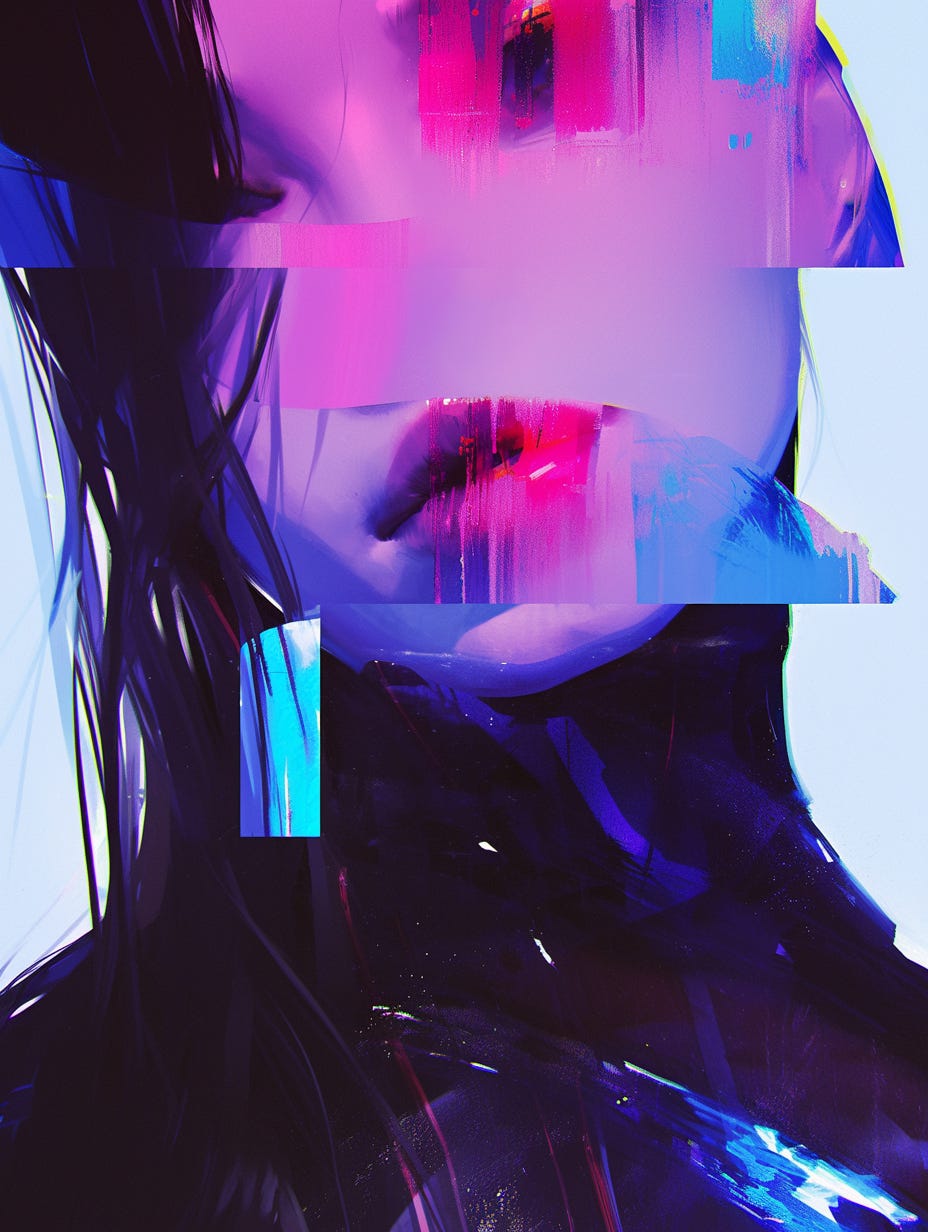
The Matrix Malfunction: The Impact of Glitch on Culture
More Than Meets the Eye: Glitch in Popular Media
The influence of Glitch Art has bled into the broader culture, much like how your favorite red shirt turns all your whites pink. It's in the film distortions that make horror movies more horrifying, and in the art filters that turn your mediocre photos into psychedelic profile pics.
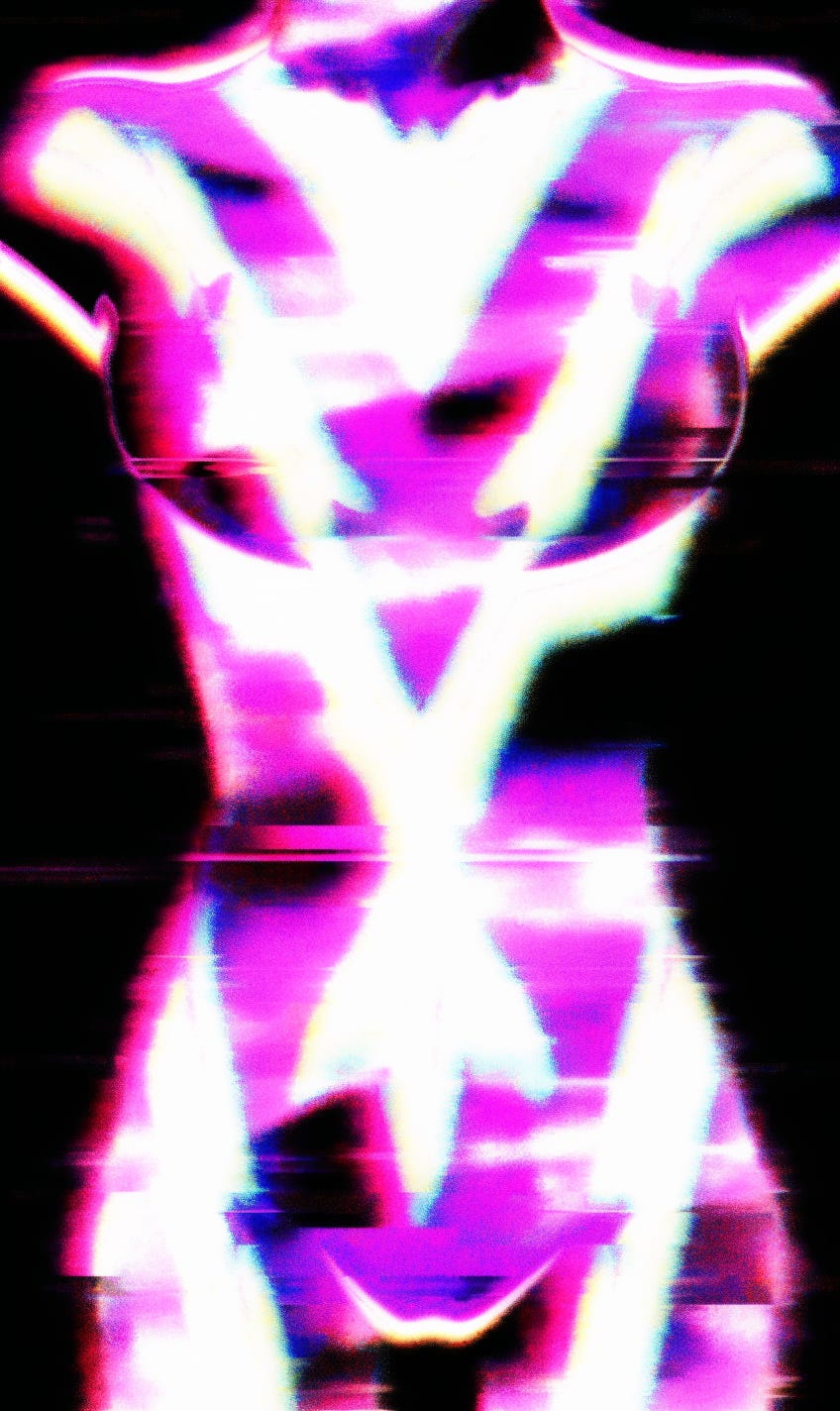
Notable Glitch Artists and Their Impact
From the visual jockey (VJ) scenes in underground clubs to the walls of digital art galleries, icons like Phillip Stearns and Sabato Visconti have turned glitching into a high art, proving you don’t need a paintbrush to paint a picture—you just need a corrupted file.
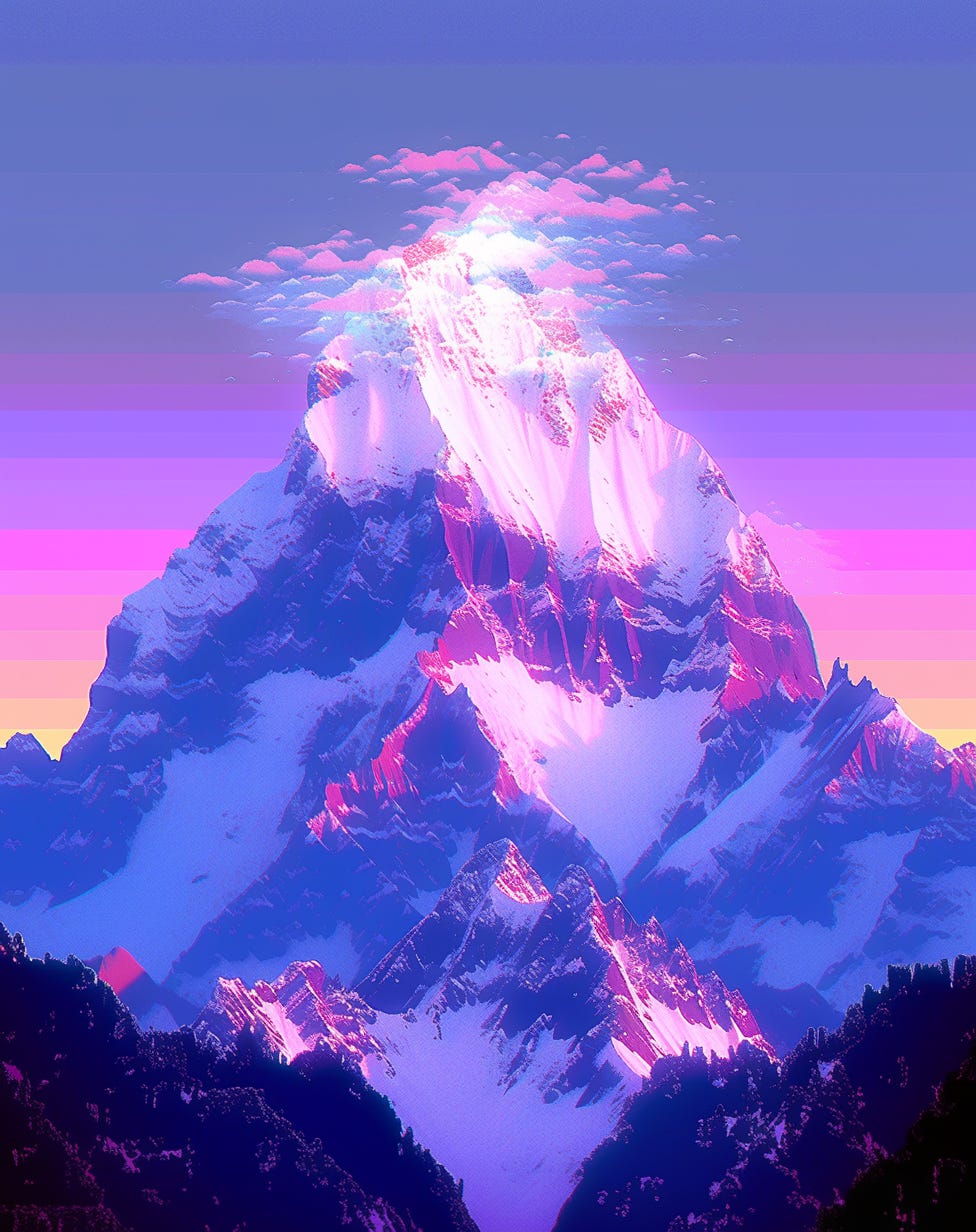

Rosa Menkman: A Dutch artist and theorist who focuses on visual artifacts created by accidents in digital media, Menkman is a pioneer in the glitch art movement.
Phillip Stearns: Known for his use of electronic technologies and electronic media to create glitch art, Stearns explores the intersection of technology and art through his innovative techniques.
Jon Cates: An artist and educator based in Chicago, Cates has contributed significantly to the glitch art community with his noisy and aesthetically complex creations.
Nick Briz: A new-media artist and educator, Briz's work questions the disposability of digital culture and its artifacts, focusing on the philosophies surrounding glitch art practices.
Paul Hertz: An artist who plays with broken code and digital errors, Hertz's work is known for its critical and often humorous exploration of digital culture.
Ant Scott: A British artist whose work in the glitch art scene often revolves around the destruction and manipulation of digital signals to create compelling visual pieces.
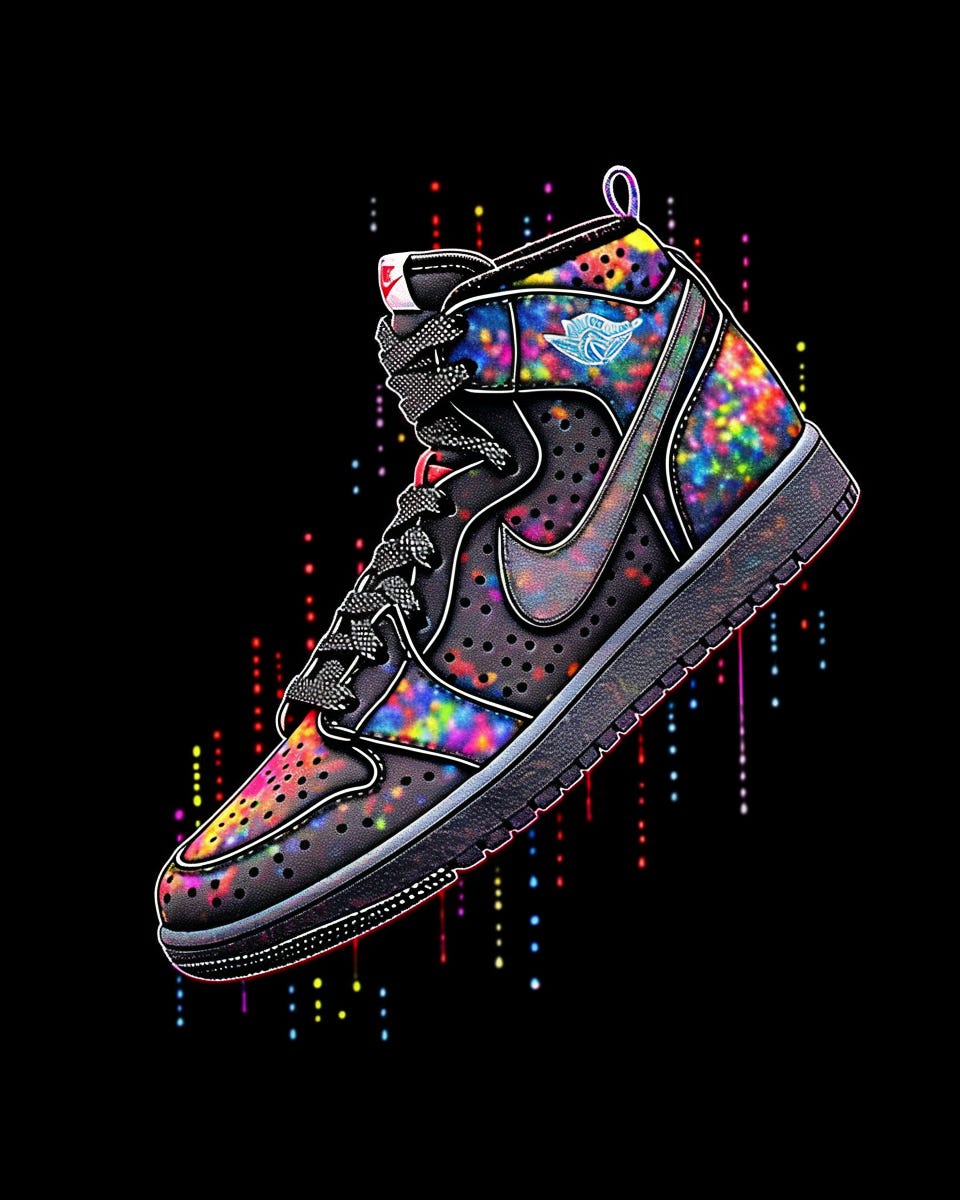
Future Flickers: What’s Next in the World of Glitch?
Pixels Pushing Boundaries: The Next Phase of Glitch Art
What's next for Glitch Art? Imagine virtual reality art shows where the glitches let you walk through a world that constantly reinvents itself, or augmented reality apps that glitchify your daily surroundings in real-time. The future of Glitch Art is as unpredictable as the glitches themselves.
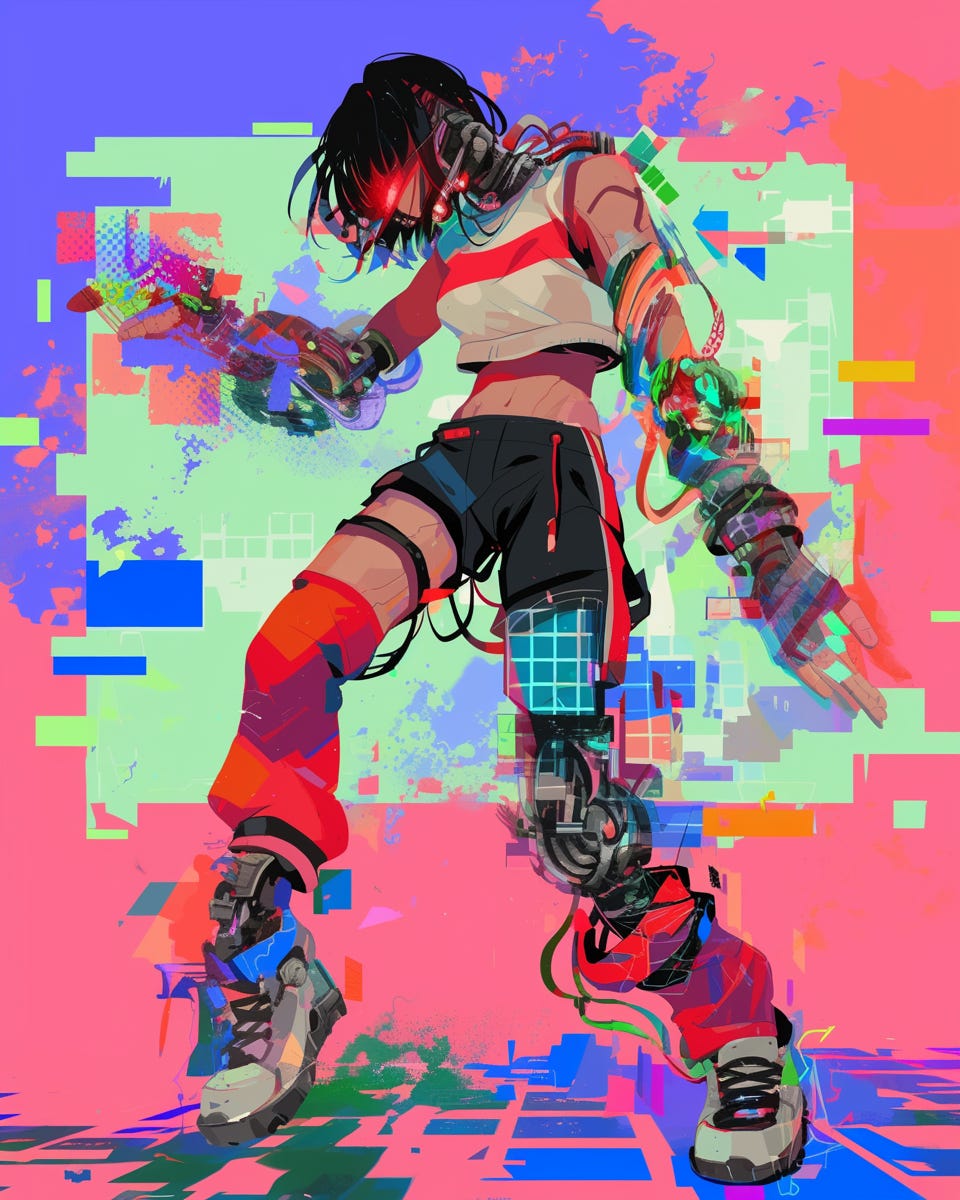
Expanding the Error
As new technologies emerge, so too will new types of glitches, and with them, new art. We’re talking about AI that intentionally designs imperfections and new forms of media that celebrate the beauty of the breakdown. The glitch will go on, and its art will continue to challenge our perceptions of beauty and perfection.
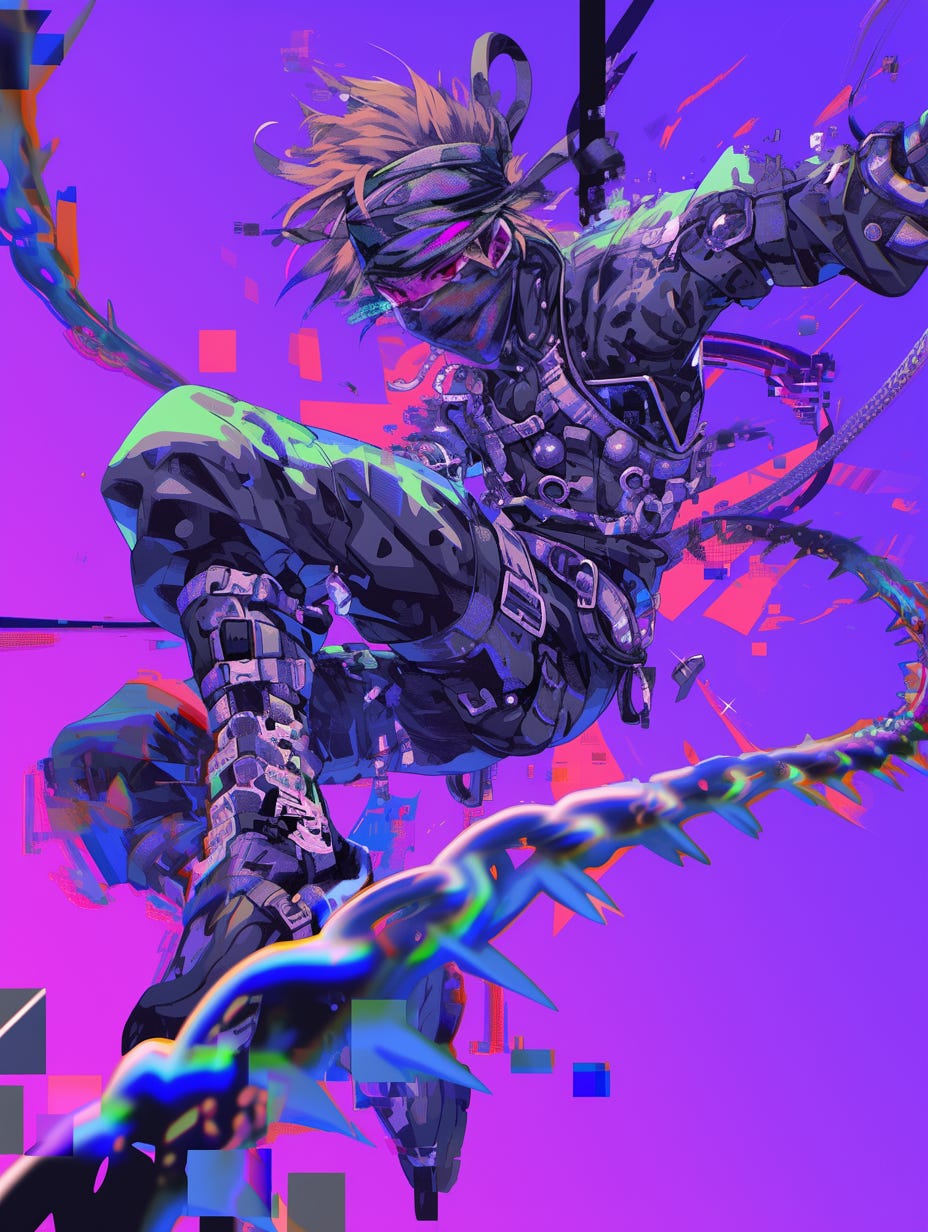
Embrace the Art of Error
As we log off from our glitchy guide to Glitch Art, remember that in a world obsessed with perfection, Glitch Art is a refreshing reminder that there’s beauty in the breakdowns. It teaches us to embrace imperfections, not just in our technology, but in ourselves too. So the next time your computer freezes, don’t curse it—consider it a fleeting piece of contemporary art. Keep your pixels imperfect and your spirits high, and who knows? The next glitch you encounter might just be your gateway into an art movement that’s as innovative as it is erratic. ✌️