


From Vandalism
to Validation
Picture a universe where every blank wall is an opportunity, and every spray can is a weapon of mass creation. Graffiti is the street art movement that flips a middle finger to the establishment while turning concrete jungles into vibrant galleries. Did companies ask you if they can pollute your public space with their billboards and ads? NO! So grab your hoodie and your spray can, and let’s tag along on this gritty adventure to take back our streets with our art!

When Cavemen Met Crayons
Believe it or not, graffiti has been around since humans first figured out how to draw. Ancient cave paintings were the original tags, with our prehistoric ancestors doodling on walls to say, “I was here.” Fast forward a few millennia, and graffiti found its way into the Roman Empire, where citizens scrawled messages on public buildings—sort of like the ancient version of Twitter, but with fewer cat memes.

New York, New York: The Birthplace of Modern Graffiti
Modern graffiti as we know it started in the gritty streets of 1970s New York City. It was a time when the city was bankrupt, crime was high, and subway cars were a canvas in motion. Young artists like TAKI 183 and CORNBREAD started tagging their names everywhere, turning the city into their own personal art gallery. These pioneers laid the groundwork for graffiti as a form of self-expression and rebellion.

From Tags to Masterpieces
What began as simple tags quickly evolved into complex pieces of art. Graffiti artists started to create murals that were as detailed and intricate as any gallery painting. Crews formed, styles developed, and graffiti became a respected art form in its own right—at least among those who weren’t scrubbing it off their buildings.

Trigger Tokens
bold lettering,
wildstyle,
bubble letters,
stencil letters,
3D letters,
calligraphic style,
geometric letters,
block letters,
gradient fill,
outline and fill,
abstract lettering,
in the style of graffiti,
grafitti-style,
graffiti street art,
spray-paint mural,
graffiti art,
urban art,
street masterpiece,
layered textures,
dynamic compositions,
graffiti fonts,
symbolic imagery,
3D effects,
abstract forms,
cartoon elements,
smooth gradients,
monochrome palettes,
high contrast,
Graffiti Goes Global
As graffiti culture spread, it crossed borders and oceans, popping up in cities around the world. From the colorful favelas of Brazil to the historic streets of Paris, graffiti became a global language of resistance and creativity. Banksy, the enigmatic British artist, brought graffiti to the mainstream with his politically charged stencils, proving that graffiti could be both provocative and thought-provoking.
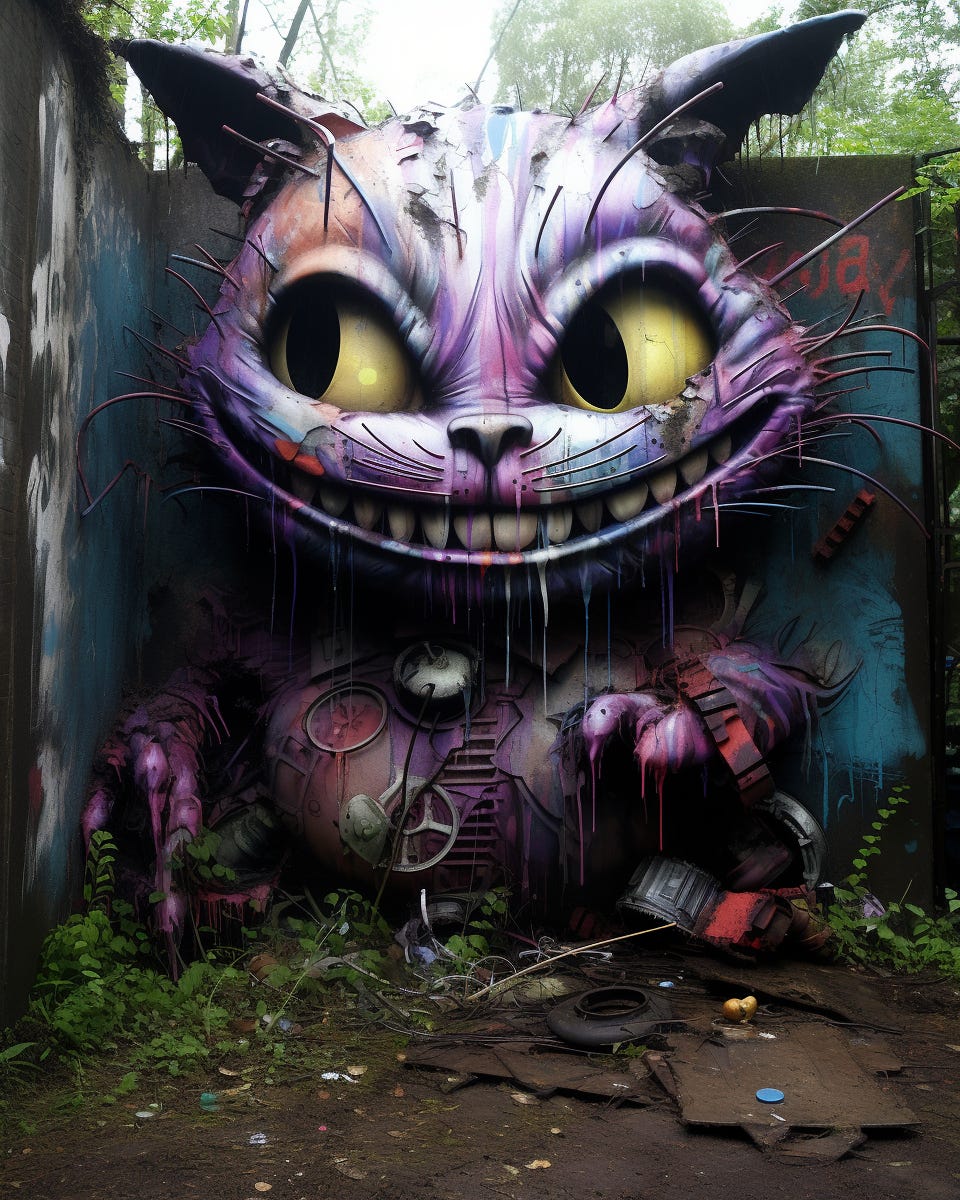

Vibrant Colors: Use of bright, eye-catching colors to make the artwork stand out.
Bold Outlines: Strong, definitive lines that define shapes and figures.
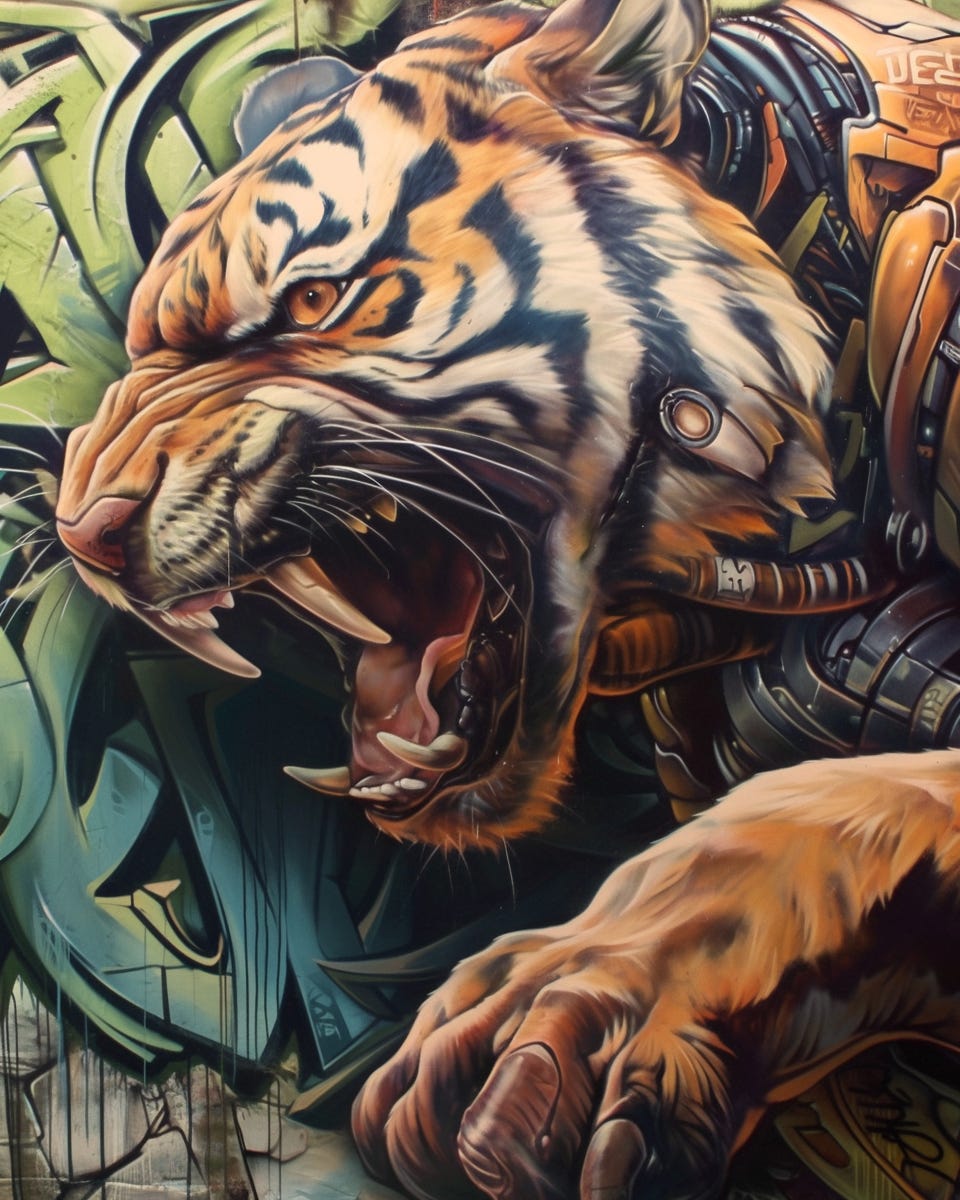
Layered Textures: Multiple layers of paint and textures creating depth.
Dynamic Compositions: Energetic layouts that convey movement and action.
Symbolic Imagery: Use of symbols and icons to convey messages or themes.
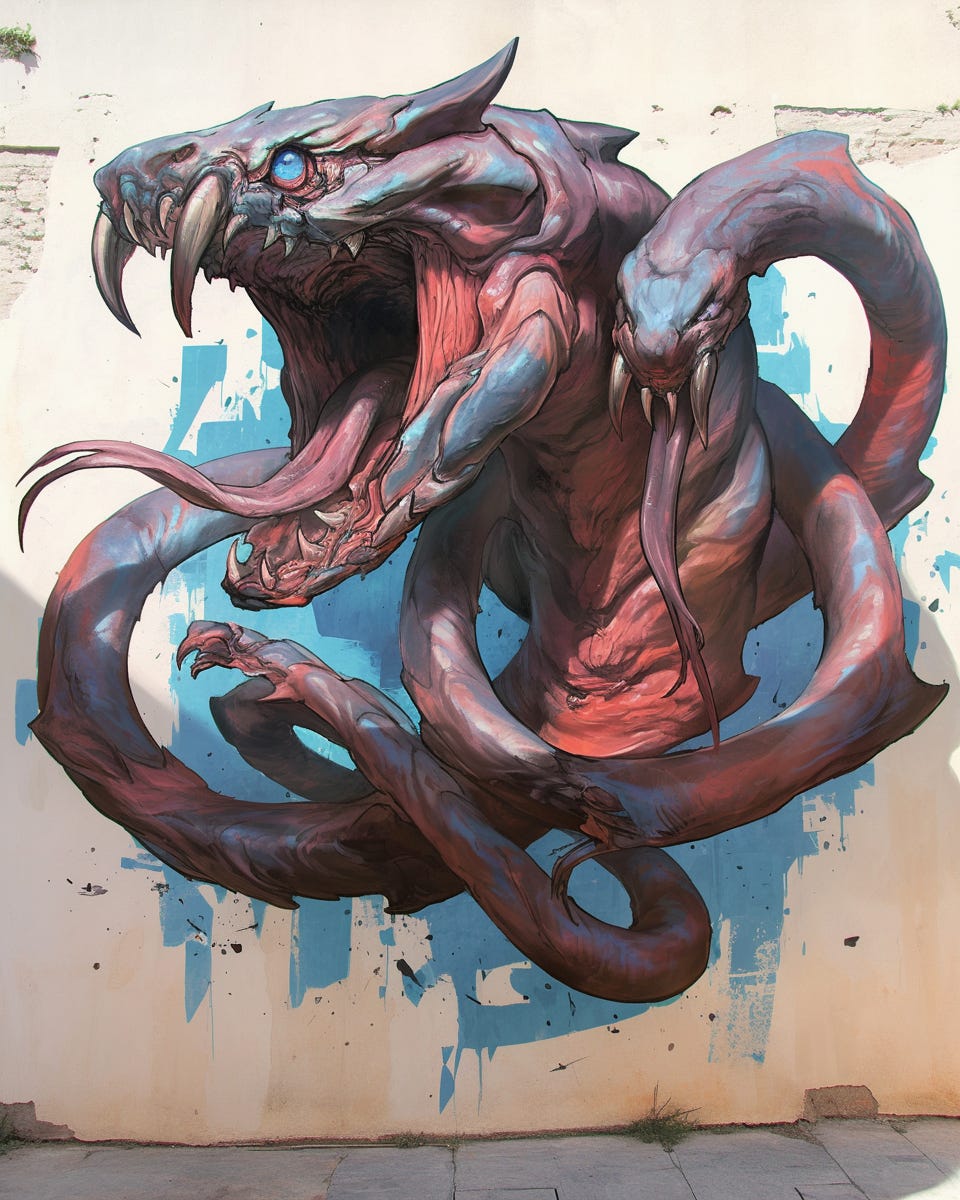
3D Effects: Techniques to create the illusion of three-dimensionality.
Abstract Forms: Non-representational shapes and patterns.
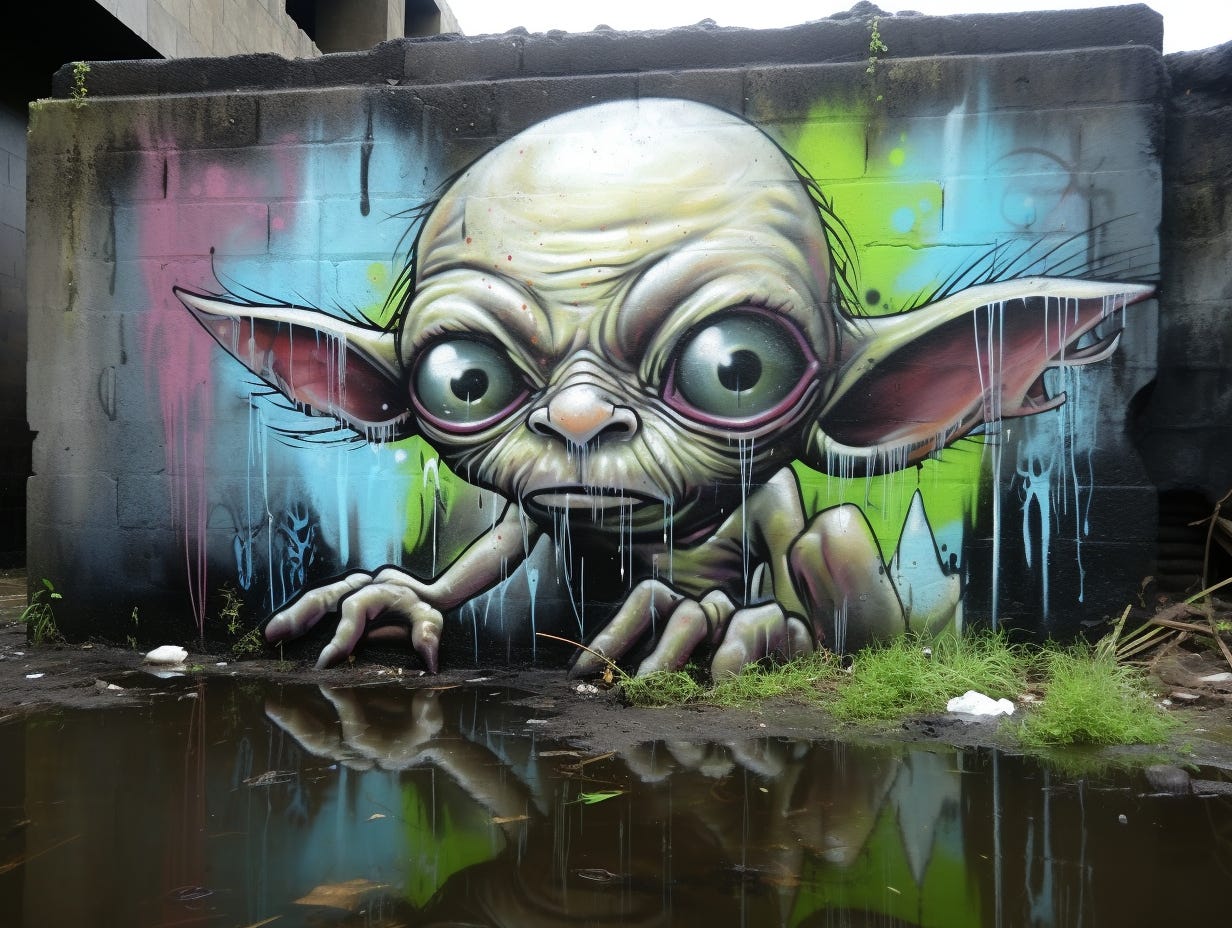
Cartoon Elements: Use of cartoon characters and styles.
Geometric Patterns: Incorporation of geometric shapes and designs.
Smooth Gradients: Gradual transitions between colors for a soft effect.
Monochrome Palettes: Use of black and white or limited color schemes.
High Contrast: Strong differences between light and dark areas.
Bold Lettering: Thick, strong lines that make the text stand out.
Wildstyle: Complex, interlocking letterforms that are often hard to read but visually dynamic.
Bubble Letters: Rounded, inflated letters that are playful and bold.
Stencil Letters: Clean, precise letterforms created using stencils.
3D Letters: Lettering that uses shading and perspective to create a three-dimensional effect.
Calligraphic Style: Elegant, flowing letterforms inspired by traditional calligraphy.
Geometric Letters: Letterforms based on geometric shapes and patterns.
Block Letters: Solid, rectangular letters that are easy to read and impactful.
Gradient Fill: Letters filled with smooth color transitions.
Outline and Fill: Letters with bold outlines and contrasting fills.
Abstract Lettering: Letterforms that are highly stylized and often abstract.
Street Cred and Controversy
Graffiti is the art form that’s always been a bit controversial. Some see it as vandalism, while others see it as the ultimate form of free expression. It’s an art form that exists on the edge of legality, often challenging societal norms and authority. Graffiti artists are the rebels of the art world, armed with spray cans and a mission to make you see the world differently.
Graffiti in Pop Culture
Graffiti has left its mark on more than just walls. It’s influenced fashion, music, and even advertising. Brands like Adidas and Nike have co-opted graffiti aesthetics to sell everything from sneakers to soda. Hip-hop culture, with its roots in the same urban environments that birthed graffiti, has elevated graffiti art to iconic status. Album covers, music videos, and streetwear all bear the unmistakable influence of graffiti’s bold, brash style.

Dondi White: A pioneer in graffiti lettering, Dondi's innovative styles and techniques have greatly influenced modern graffiti typography.
SEEN (Richard Mirando): Often referred to as the "Godfather of Graffiti," SEEN's bold and dynamic lettering styles have become iconic in the graffiti world.
Cope2 (Fernando Carlo): Known for his wildstyle lettering, Cope2's work features intricate and interlocking letterforms that push the boundaries of graffiti typography.
Retna (Marquis Lewis): Retna's unique script, blending calligraphy and graffiti, creates mesmerizing and complex typographic compositions.
Haze (Eric Haze): A legend in graffiti typography, Haze's clean lines and geometric letterforms have influenced both street art and commercial design.
Revok (Jason Williams): Revok's work combines traditional graffiti lettering with innovative techniques and materials, creating dynamic and visually striking compositions.
Banksy: Known for his precise stencils and striking visual commentary, Banksy’s style often features high contrast and monochromatic color schemes.
Jean-Michel Basquiat: His early graffiti work, characterized by raw lines, vibrant colors, and symbolic imagery, bridges street art and fine art.
Shepard Fairey: Creator of the OBEY Giant, his work is recognized for its use of bold colors, clean lines, and repetitive patterns.
KAWS (Brian Donnelly): Known for his graffiti roots, KAWS incorporates clean, cartoon-like lines and bright, flat colors in his works.
Futura 2000: Famous for his abstract approach, Futura’s graffiti features smooth gradients, vibrant colors, and futuristic themes.
Lady Pink: Recognized for her detailed murals and vibrant color palettes, Lady Pink’s work often combines fine art techniques with street art aesthetics.
Legal Walls and Gallery Halls
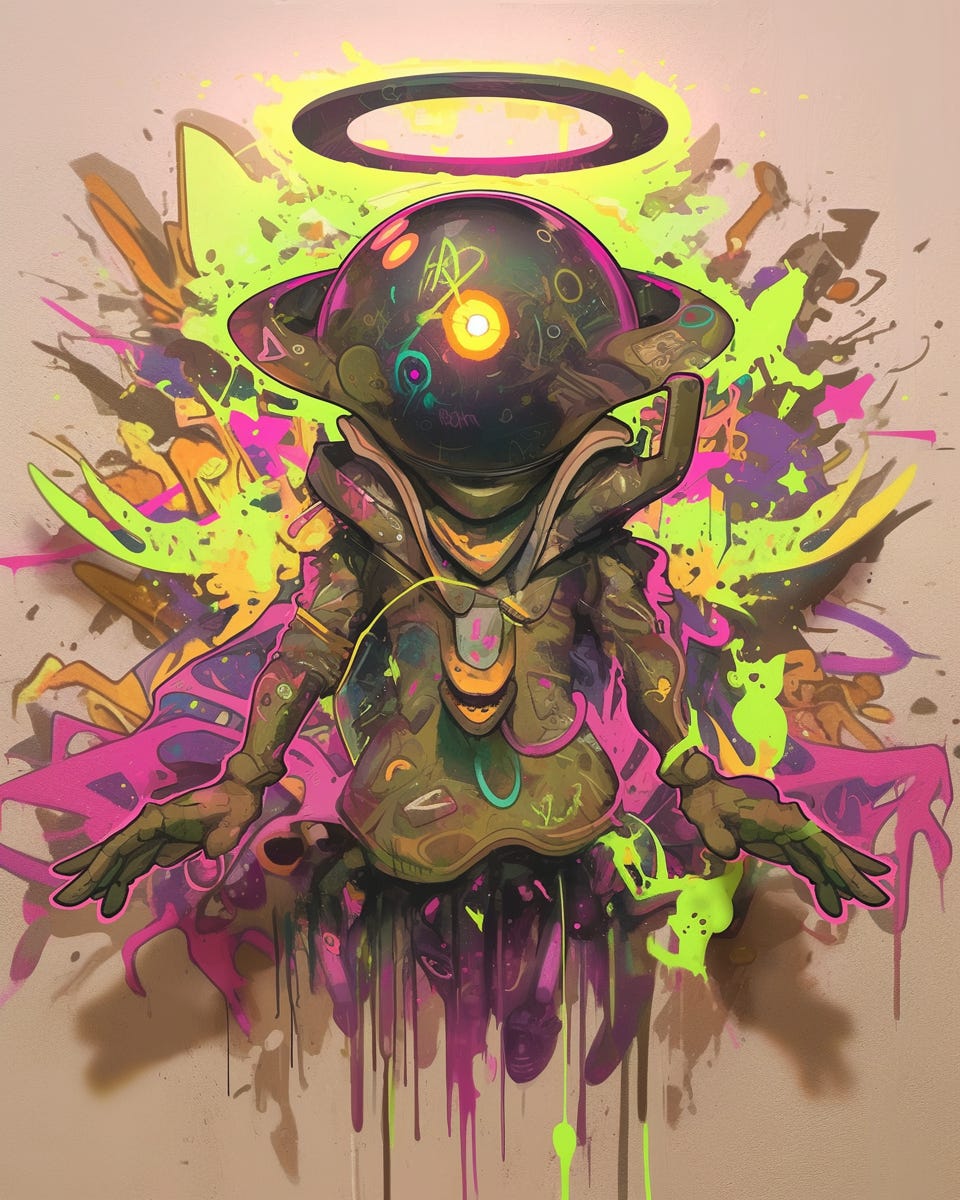
Today, graffiti has found a home in both legal spaces and high-end galleries. Cities around the world designate legal walls where artists can create without fear of arrest, while galleries and museums host exhibitions showcasing graffiti as legitimate art. This dual existence allows graffiti to maintain its edgy roots while gaining broader acceptance.
Fresh Future Ahead
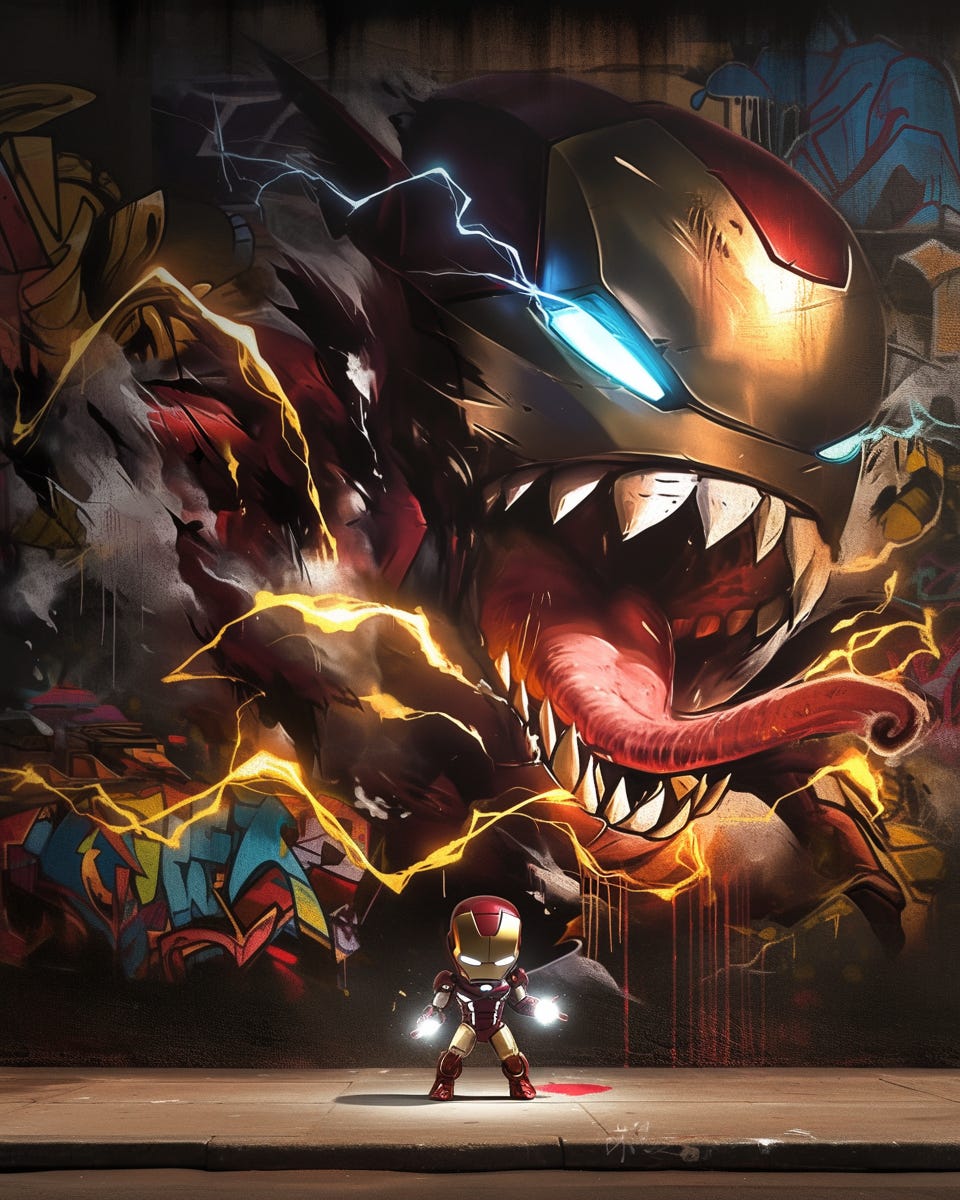
From its ancient origins to its modern-day masterpieces, graffiti is an art form that refuses to be confined. It’s loud, it’s bold, and it’s unapologetically raw. Next time you see a masterful mural, take a moment to appreciate the skill, the message, and the cojones behind it. Here’s to graffiti, the art form that turns walls into canvases and cities into galleries. Keep it real, and keep it covered in Krylon! ✌️