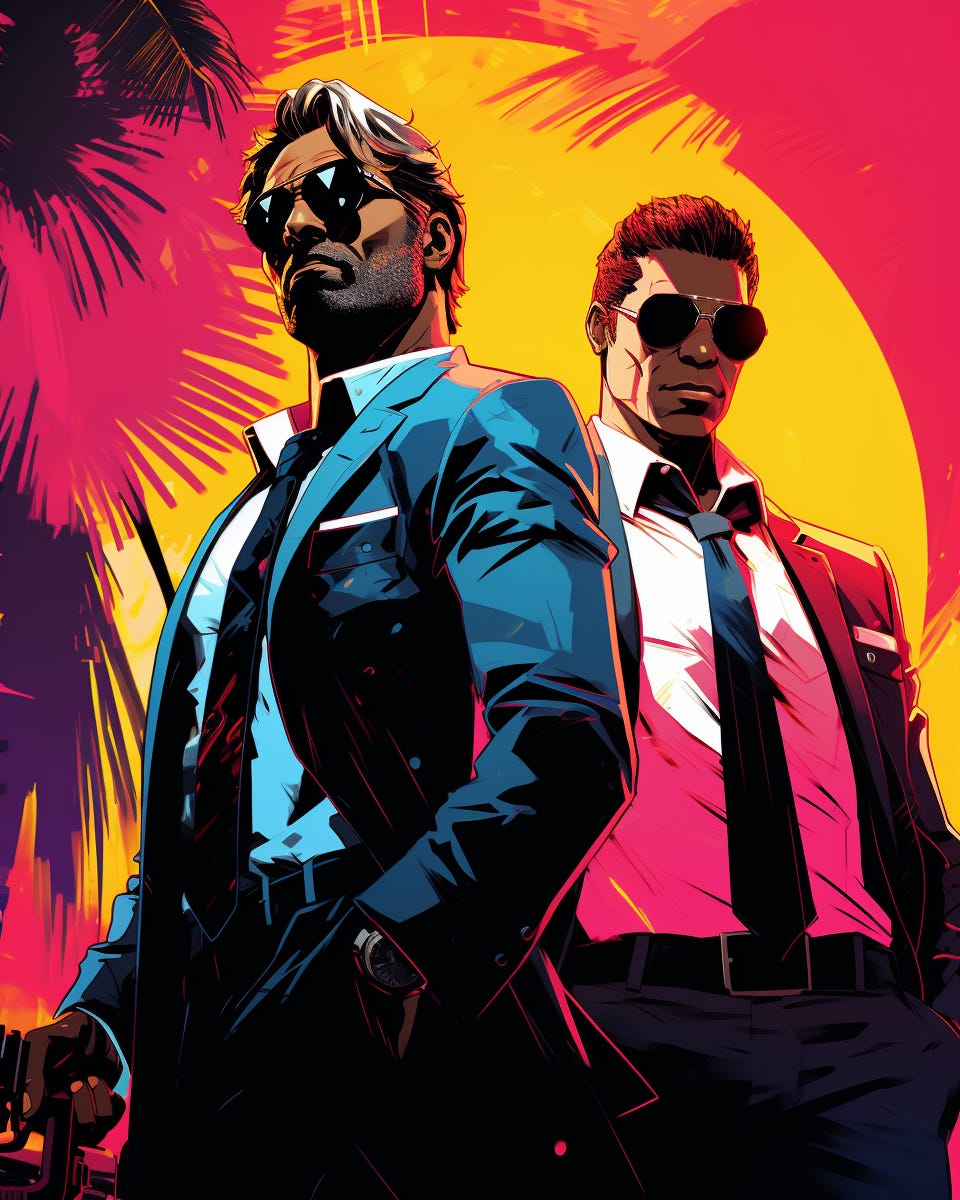
Graphic novel character style refers to the range of artistic styles seen in graphic novels, a medium that blends traditional narrative writing with sequential art. Graphic novels cover a wide spectrum of genres and aesthetics, and as such, character styles can vary significantly. However, some trends do emerge, such as more detailed and nuanced art compared to traditional comic books, and an emphasis on character development and expression.

in the style of graphic novel, bold strokes, gritty, dark, intricate brushwork, noir, high-contrast, shadow-heavy, comic book art, adult comics, stylized realism, expressive illustration, dramatic visuals, atmospheric depth, mature themes
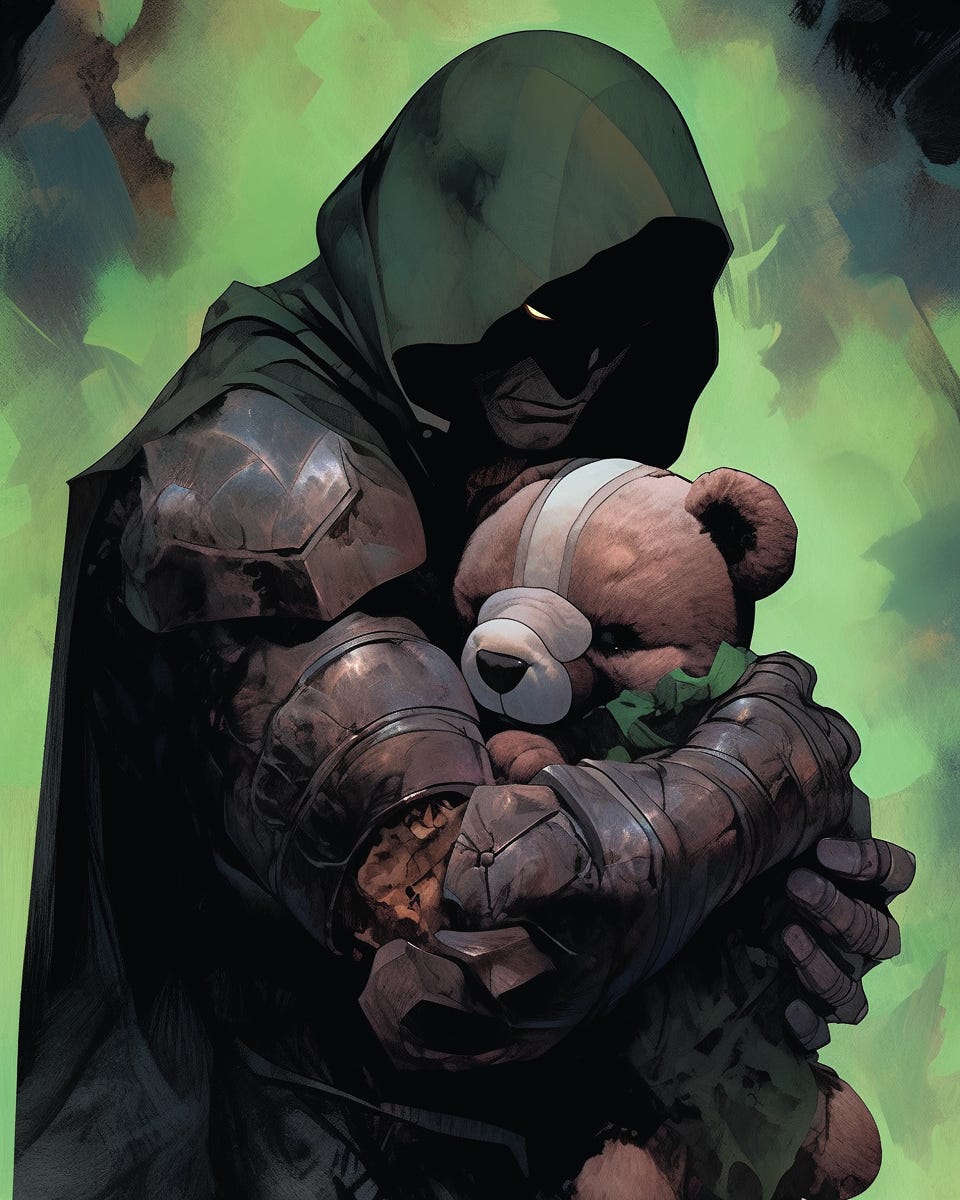
Midjourney v5.2 👆 Prompt: dr doom holding a teddy bear, bold strokes, gritty, dark, intricate brushwork, noir, high-contrast, shadow-heavy, comic book art, adult comics, stylized realism, expressive illustration, dramatic visuals, atmospheric depth, mature themes --ar 4:5 --niji 5

Detailed Artwork: Character designs in graphic novels often showcase high levels of detail and realism, in contrast to the more stylized, simplified designs seen in many comic strips or books.
Emotional Expression: With their focus on narrative depth, characters in graphic novels frequently show a wide range of emotions and expressions.
Varied Styles: The visual style can range from the minimalistic and abstract to the hyper-detailed and realistic, depending on the story and artist.
Character Development: Characters often have complex personalities, growth arcs, and nuanced relationships, reflecting the more literary nature of the medium.

While the term "graphic novel" came into popular use in the late 20th century, the concept of telling stories with sequential art has ancient roots. Modern graphic novels gained recognition as a legitimate form of literature in the 1980s and 90s, with works like "Maus" by Art Spiegelman, "Watchmen" by Alan Moore and Dave Gibbons, and "The Sandman" series by Neil Gaiman.
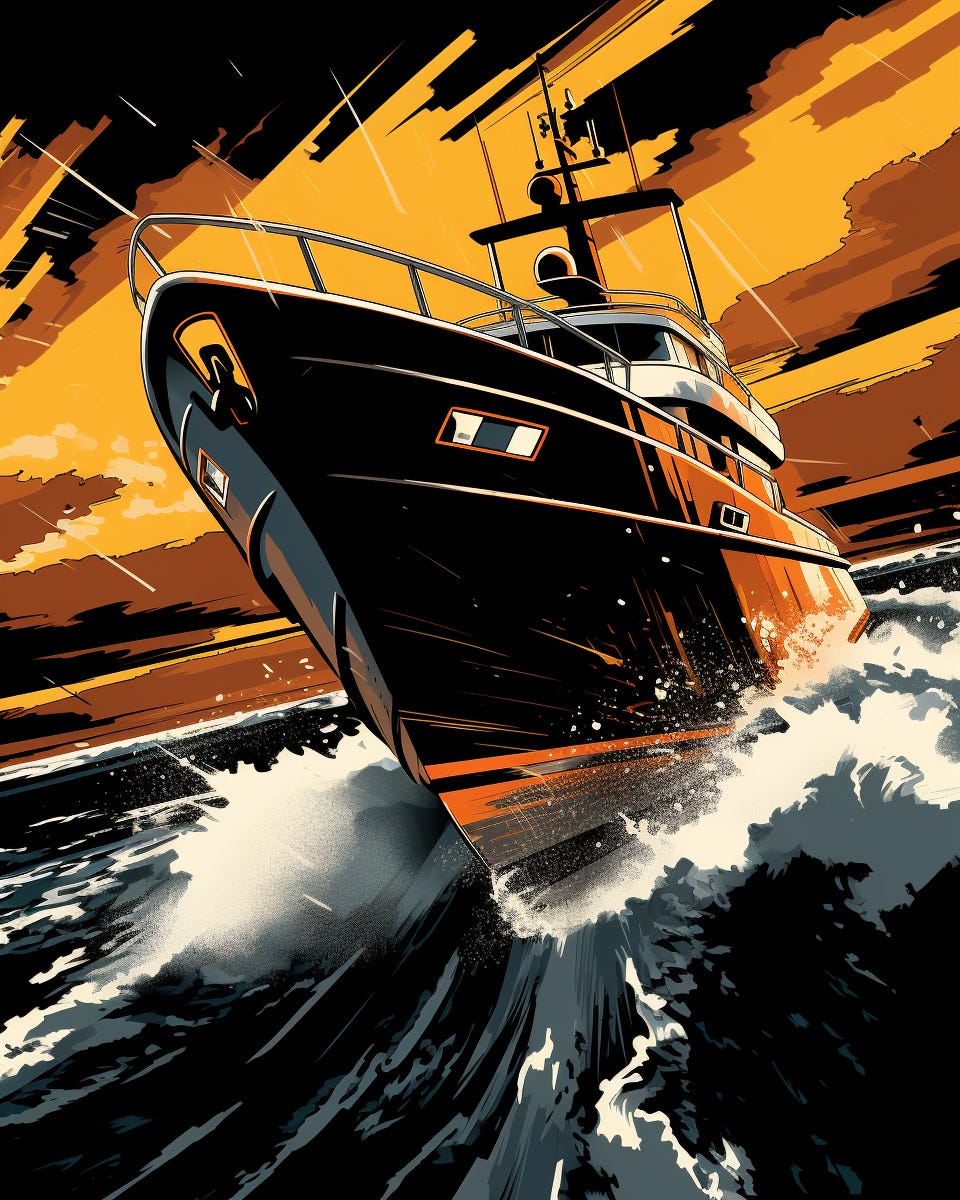
Midjourney v5.2 👆 Prompt: close up, superyacht, in the style of graphic novel, bold strokes, gritty, dark, intricate brushwork, noir, high-contrast, shadow-heavy, comic book art, adult comics, stylized realism, expressive illustration, dramatic visuals, atmospheric depth, mature themes --ar 4:5

Art Spiegelman: Author of "Maus," the Pulitzer Prize-winning graphic novel that cemented the medium's literary potential.
Neil Gaiman: Writer of "The Sandman," a series that demonstrated the medium's capacity for complex, layered storytelling.
Alan Moore: Writer known for works like "Watchmen" and "V for Vendetta," which deconstruct traditional comic book tropes.
Marjane Satrapi: Author of "Persepolis," a memoir showcasing how graphic novels can explore personal and political themes.
Will Eisner: Often referred to as the "father of the graphic novel," Eisner's works established many conventions of the medium.
Frank Miller: His works like "Sin City", "300", and "The Dark Knight Returns" have significantly shaped the comic book industry.