



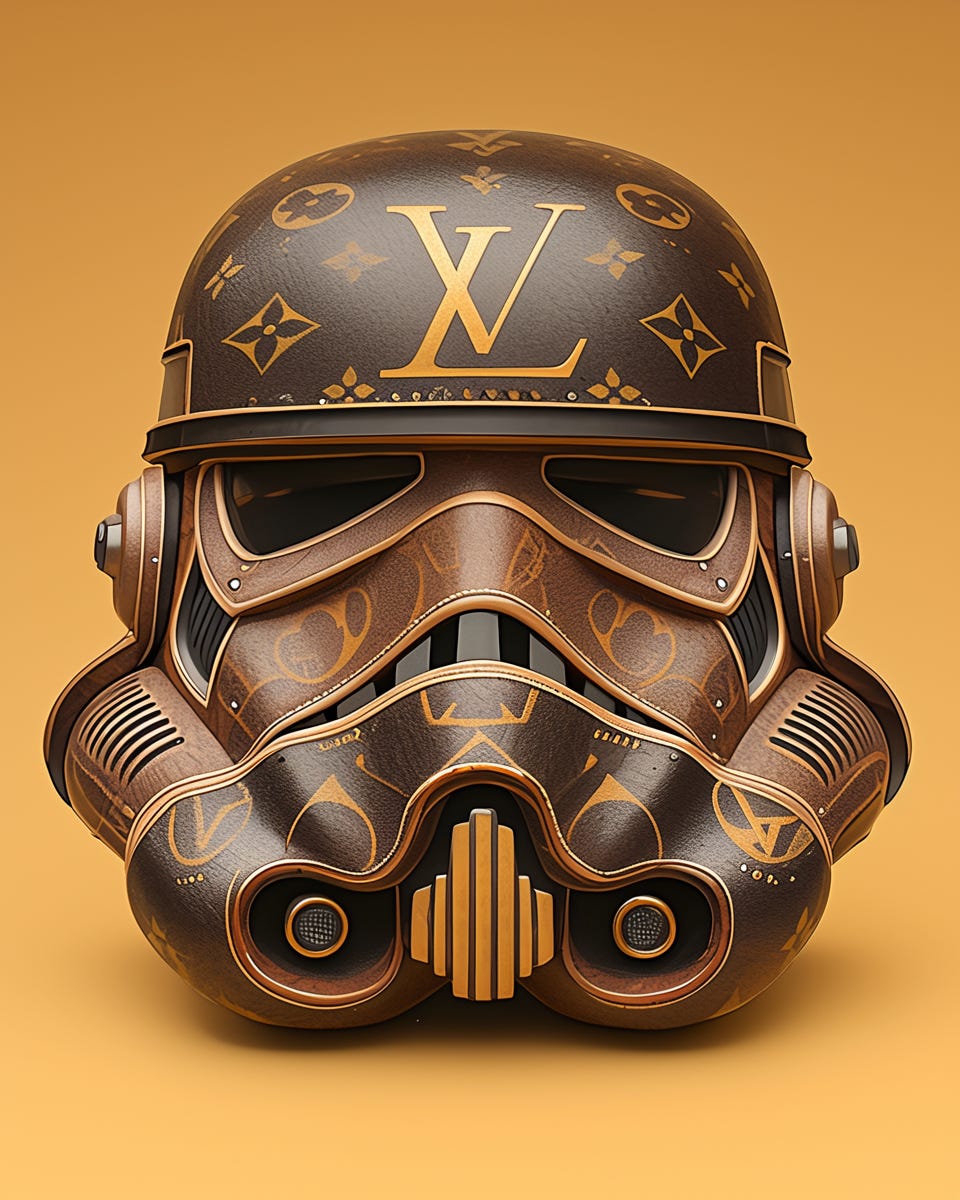
From Cow
To Wow
Welcome to the leather-bound world where style meets utility in the most badass way possible. Forget those ho-hum history lessons from school; we’re about to saddle up and ride through the rugged terrain of leather art! Imagine, if you will, a world where Indiana Jones, Mad Max, and a cadre of Renaissance artisans merge forces—now, you're in the realm of leather art. So, buckle up (with a finely crafted leather belt, of course), and let’s embark on this whip-cracking adventure!
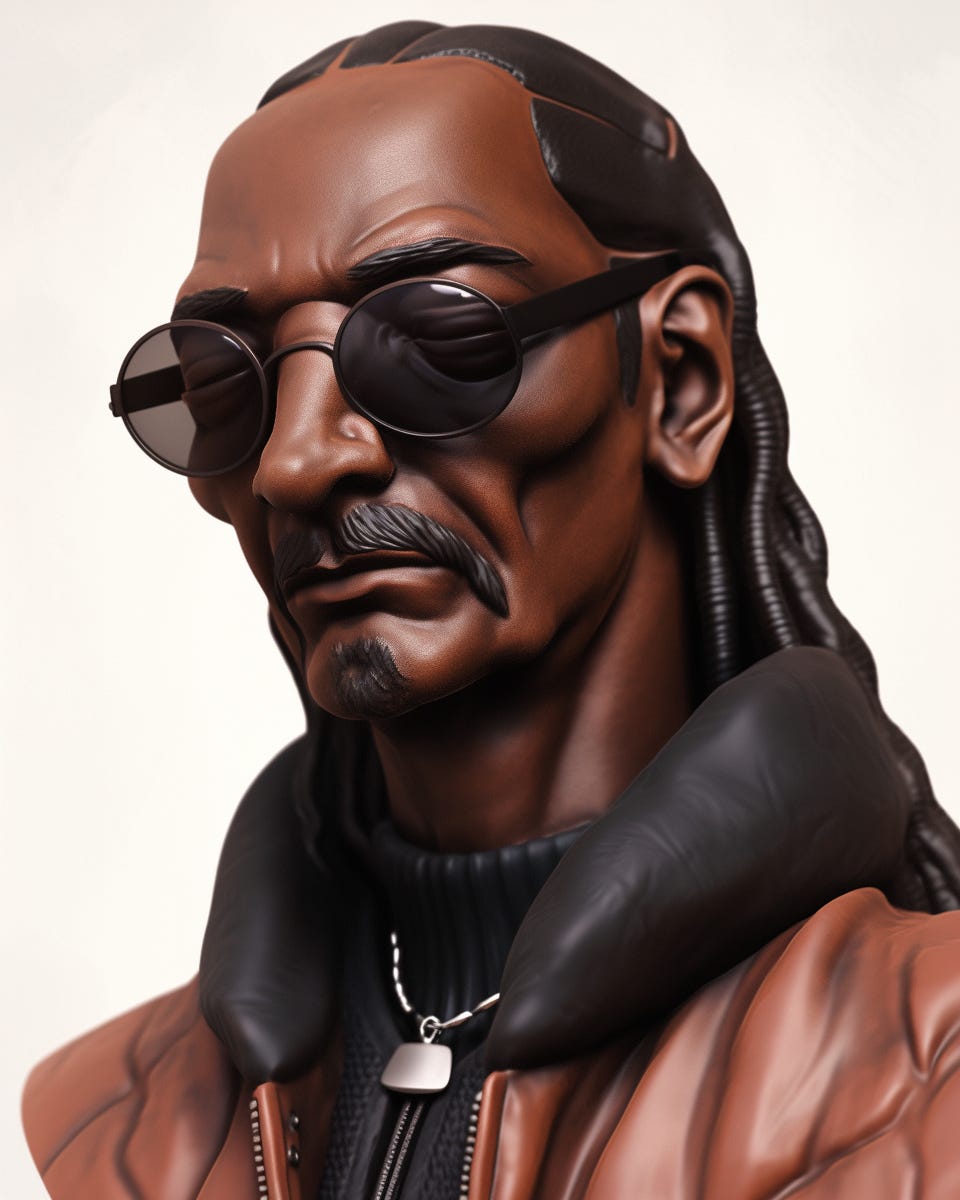
The Tanning Tale Begins..
Once upon a time, in the dim recesses of prehistory, early humans stumbled upon a game-changing discovery: animal hides could be transformed into something durable and downright chic. The first leather artists were probably just trying not to freeze to death, but hey, fashion finds a way!
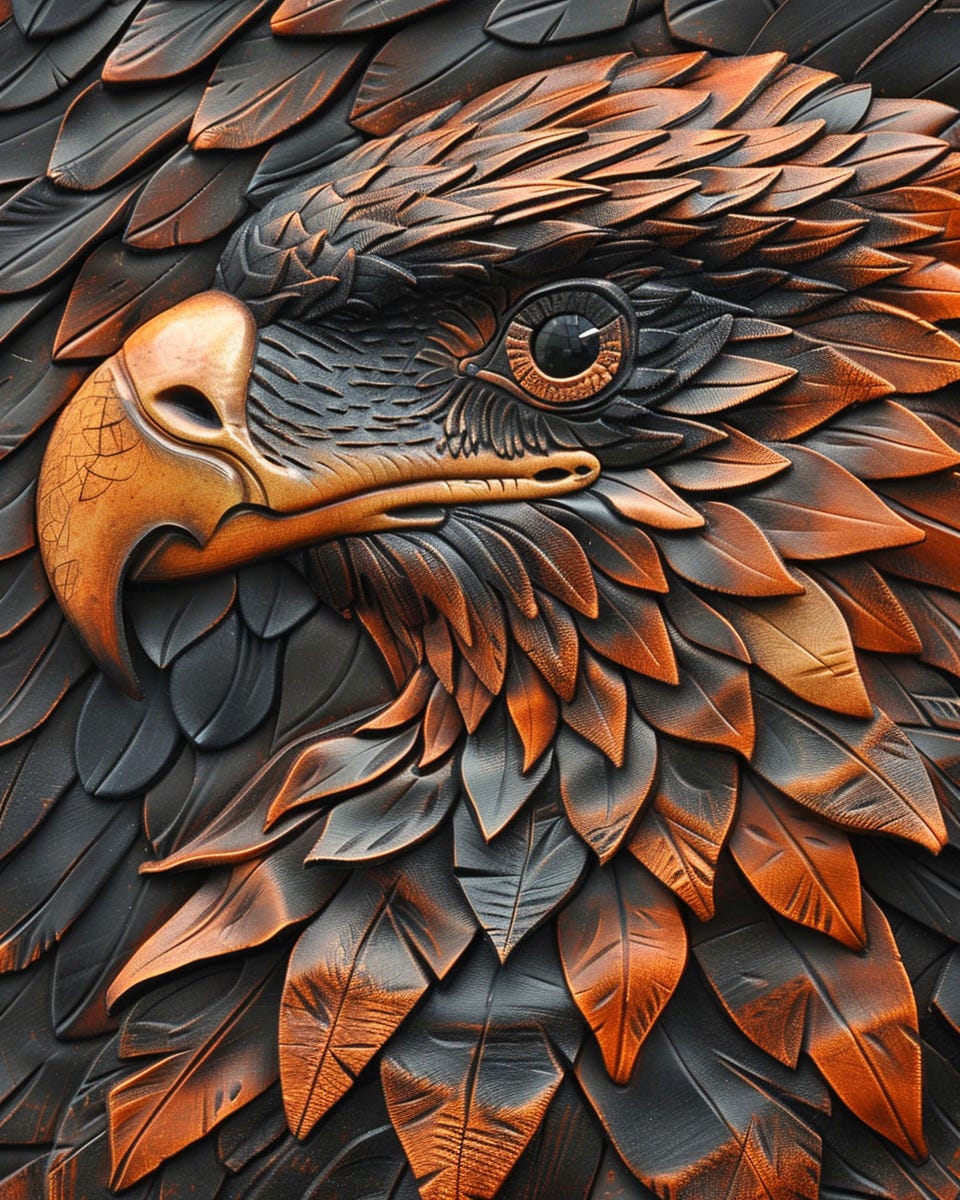
Viking Couture
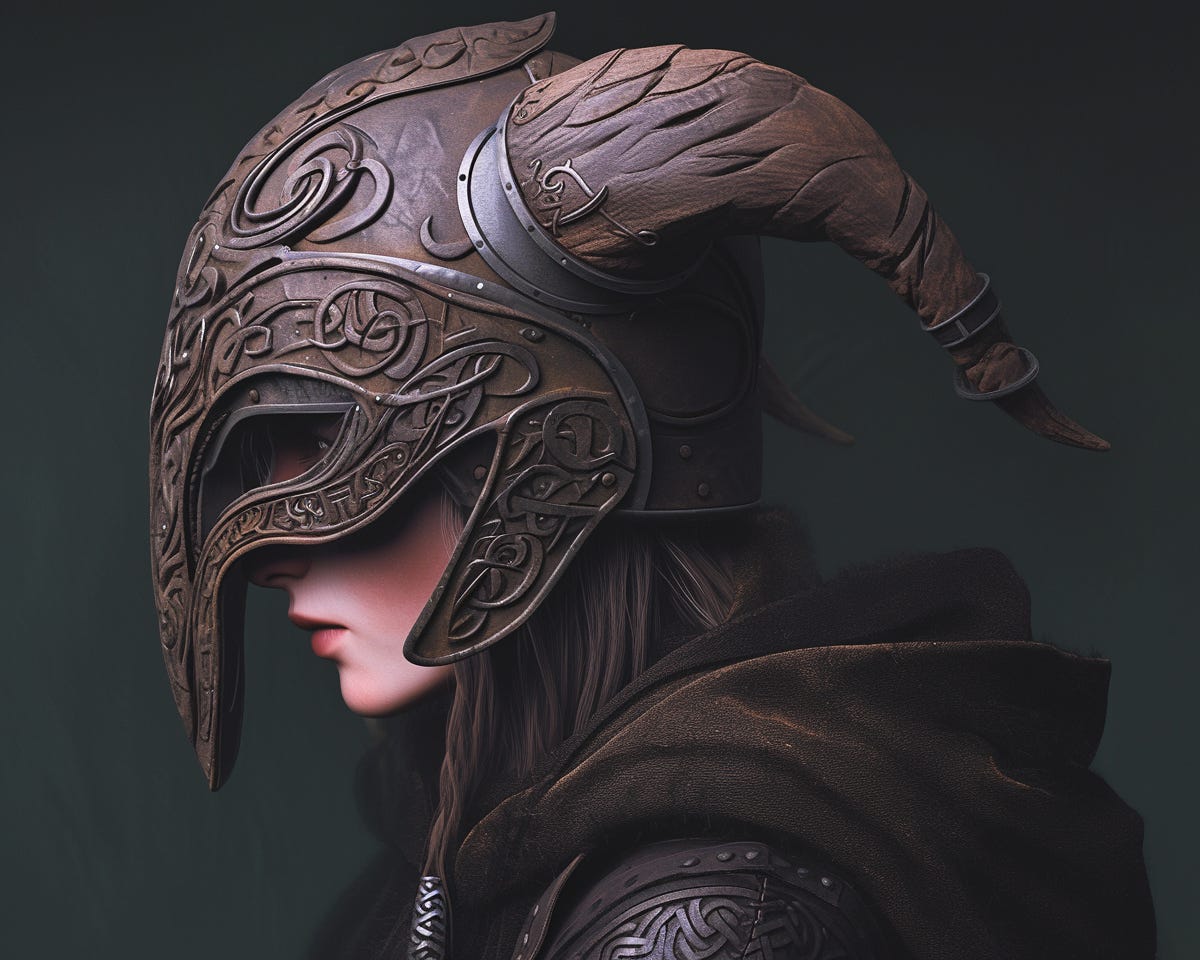
Fast forward to the Vikings, who weren't just about raids; they were also about runway-ready leather ensembles. They knew their way around a hide better than they did a fjord. Helmets with horns and all, their real flex was their leather gear—tough, etched, and ready for whatever the icy North threw at them.

Tag-Style Trigger Tokens:
leather craft,
leather replica,
rawhide,
full-grain leather,
embossed leather,
leather embossing,
rugged leather,
leather art,
textured leather,
leather texture,
leather sculpture,
stitched leather,
leather stitching.
braided leather,
leather braiding
burnished leather,
leather burnishing,
leather pyrography,
molded leather,
leather molding,
leather inlay,
layered leather,
leather overlay,
Story-Style Trigger Tokens:
in the style of leather art
leather art style
detailed leather design
intricate leather carving
dyed and colored leather art
embossed leather pattern
decorative leather stitching
braided leather elements
burnished leather edges
pyrography on leather
molded and shaped leather
leather art with inlay and overlay
textured leather surfaces
leather art with metal hardware
Middle Ages, Maximum Style
During the Middle Ages, leather went haute couture. Monarchs and knights weren't just armored; they were accessorized. Leather became the go-to for everything from jerkins to jousting pants. And artisans? They were the original couturiers, pushing boundaries with embossing and intricate stitchwork that would make even Gucci gawk.
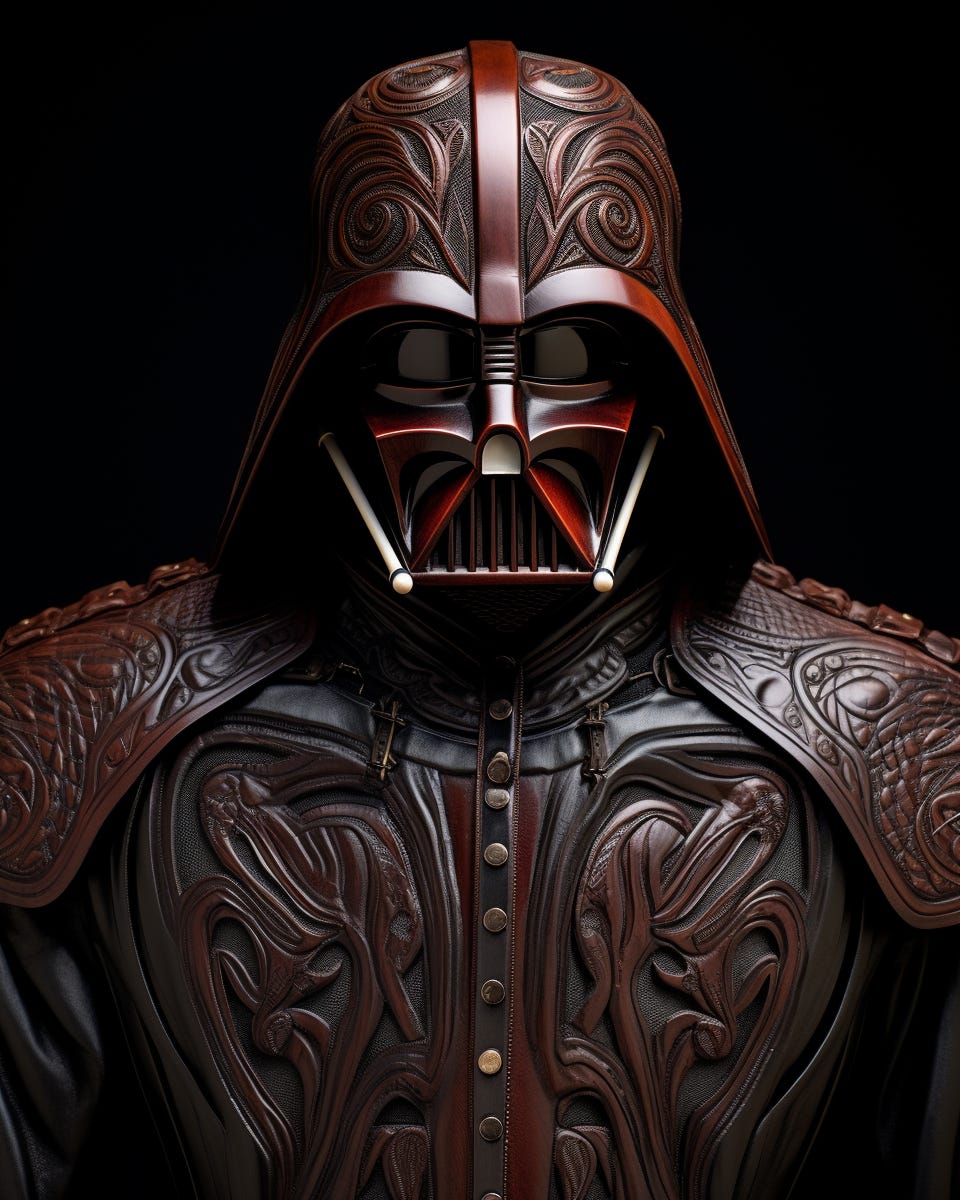

Intricate Tooling: Detailed designs created by pressing or stamping tools into the leather surface.
Carving: Cutting and shaping the leather to create raised, three-dimensional designs.
Dyeing and Coloring: Applying various dyes and paints to enhance the visual appeal of leather pieces.
Embossing: Creating raised patterns on the leather surface using pressure and heat.
Stitching: Decorative and functional stitching patterns that add texture and detail.
Braiding and Weaving: Incorporating braided or woven leather strips for added texture and complexity.
Burnishing: Polishing the edges of leather to create a smooth, finished look.
Pyrography: Using heat to burn designs into the leather surface.
Molding and Shaping: Forming leather into specific shapes and structures while wet.
Inlay and Overlay: Combining different pieces of leather to create intricate designs and patterns.
Textured Surfaces: Creating patterns and textures using various tools and techniques.
Metal Hardware: Adding elements like rivets, buckles, and clasps for both decoration and functionality.
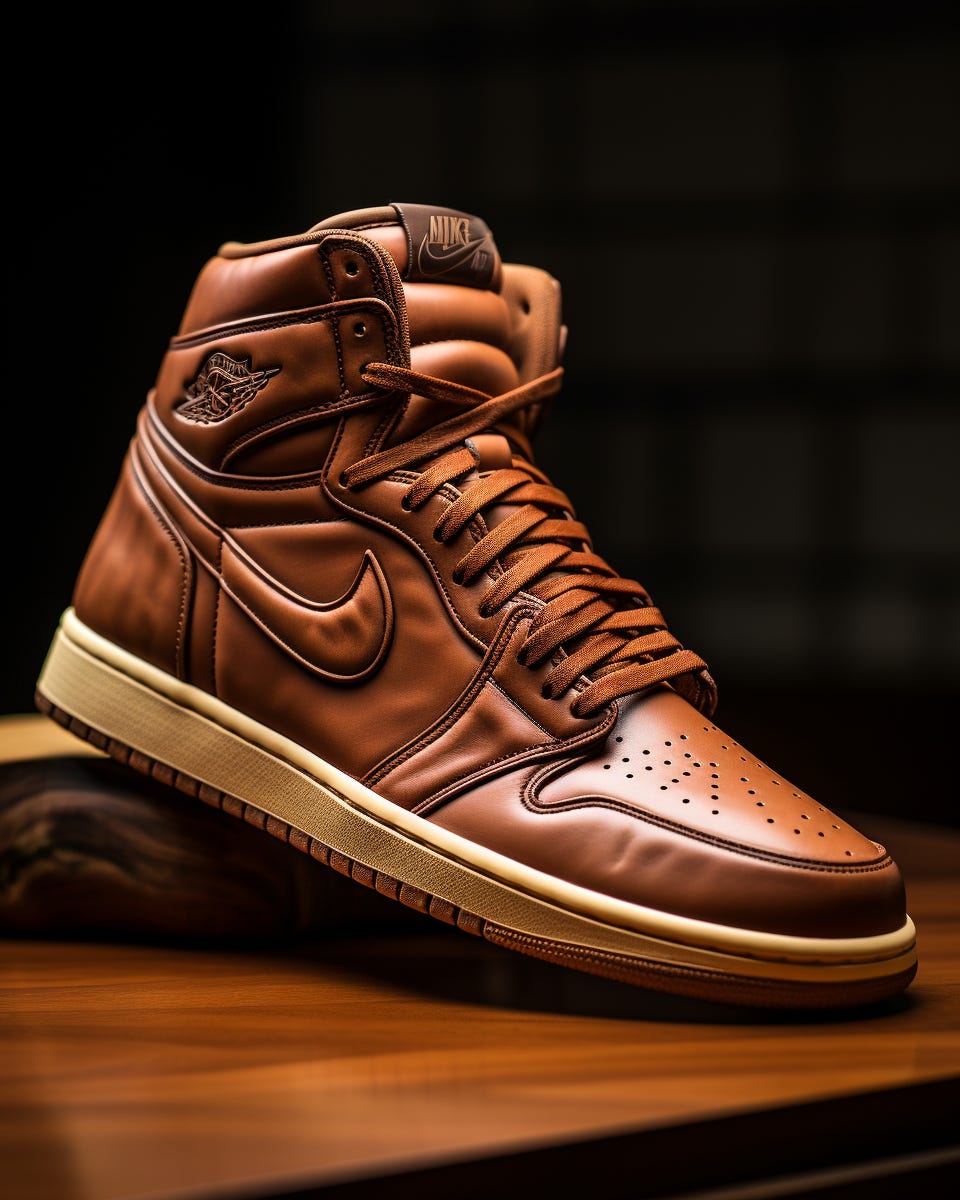
Rebel Yell
By the 1950s, leather had morphed into the ultimate symbol of rebellion. Enter the age of Marlon Brando and James Dean, slinging on their leather jackets, burning rubber on screen, and setting countless hearts (and pants) on fire. The leather jacket wasn't just clothing; it was a cultural icon, baby!
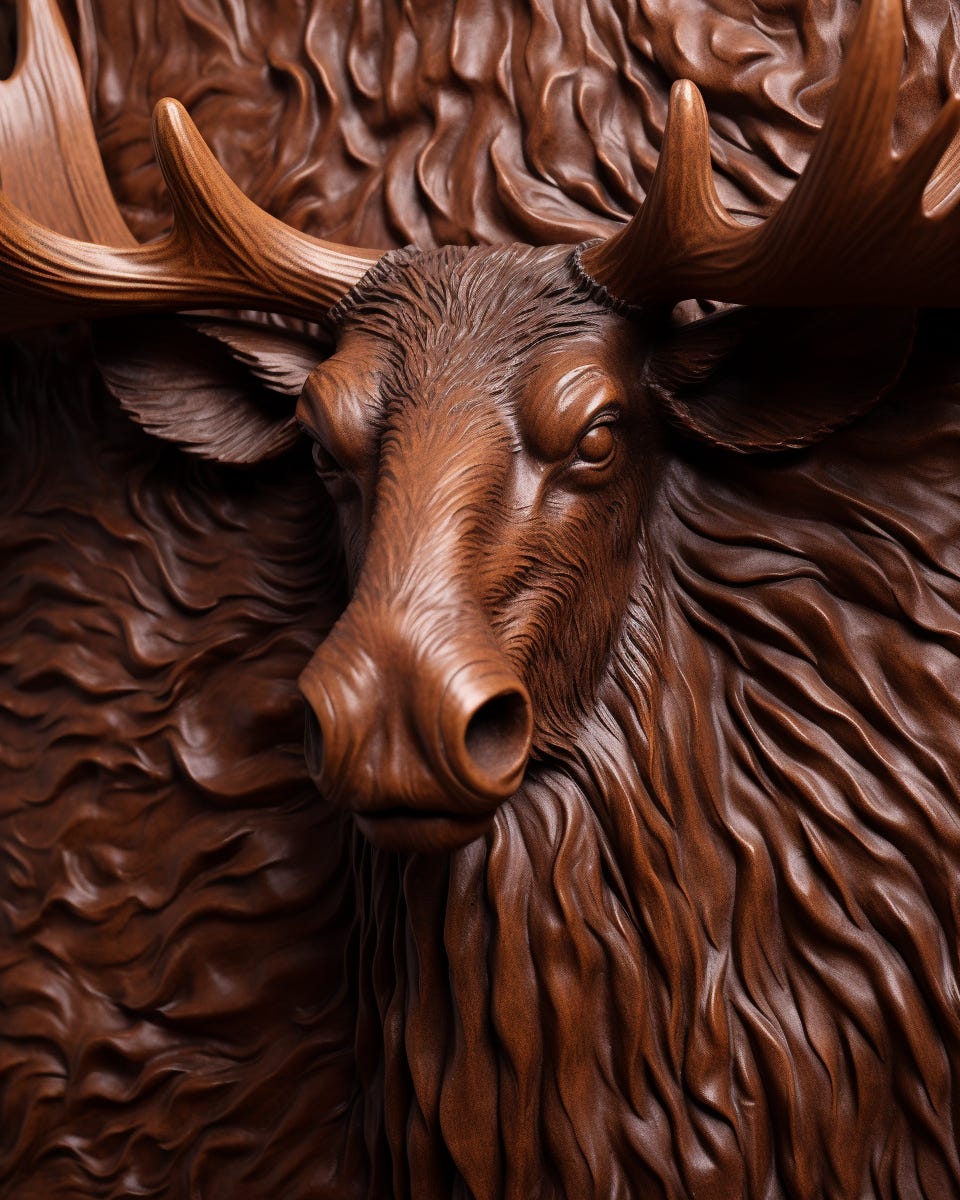
Rock and Roll all nite!
The 1970s and 80s saw leather pants shimmying their way onto rock and roll stages, thanks to legends like Freddie Mercury and Joan Jett. These pants weren't just tight; they were a tightrope walk between outrageous and genius.
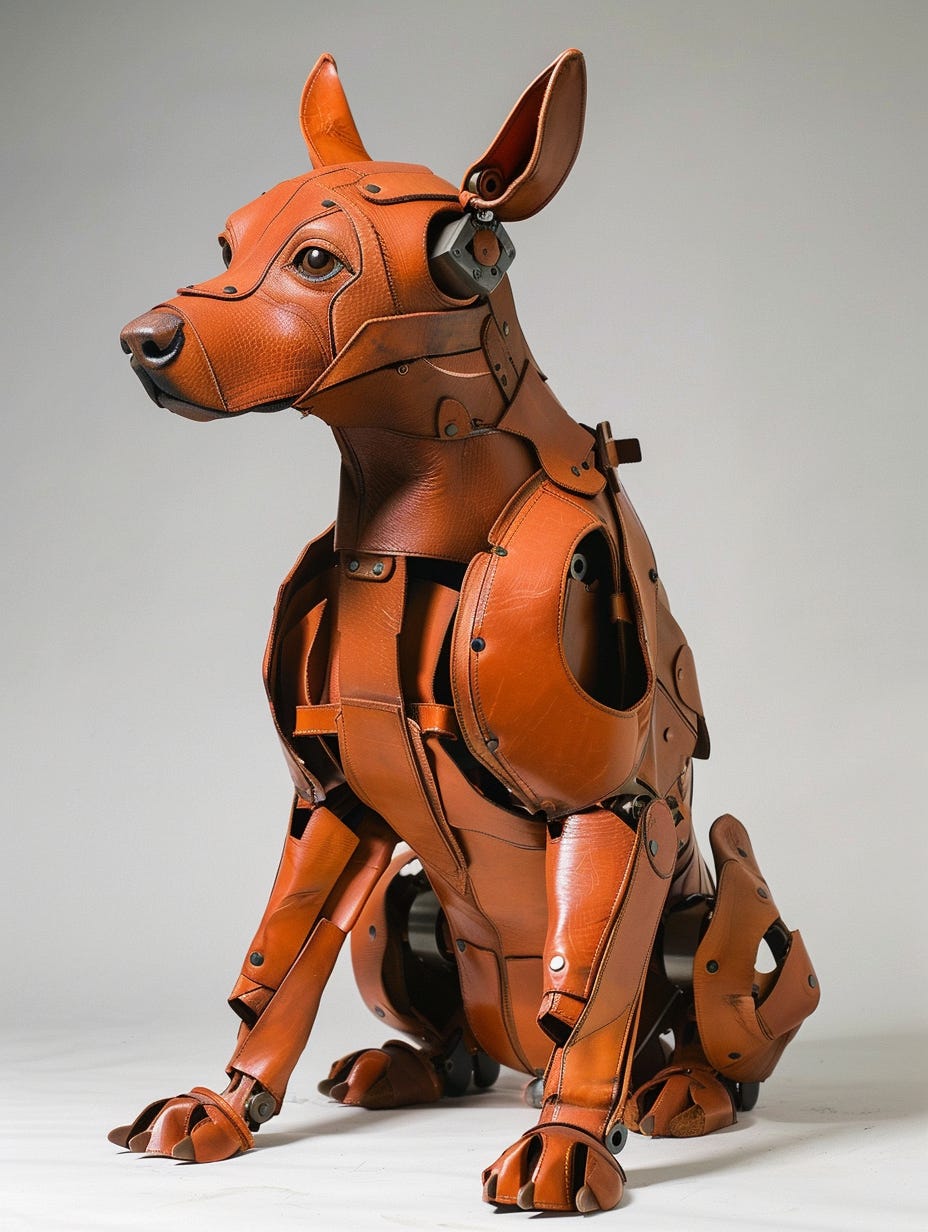
Cosplay’s Secret Weapon
Flash forward to geek culture today, where leather’s not just for jackets—it’s for crafting an entire superhero (or villain) vibe in the cosplay world. From Batman’s cowl to Catwoman’s whip, leather is the unsung hero of many comic con escapades.
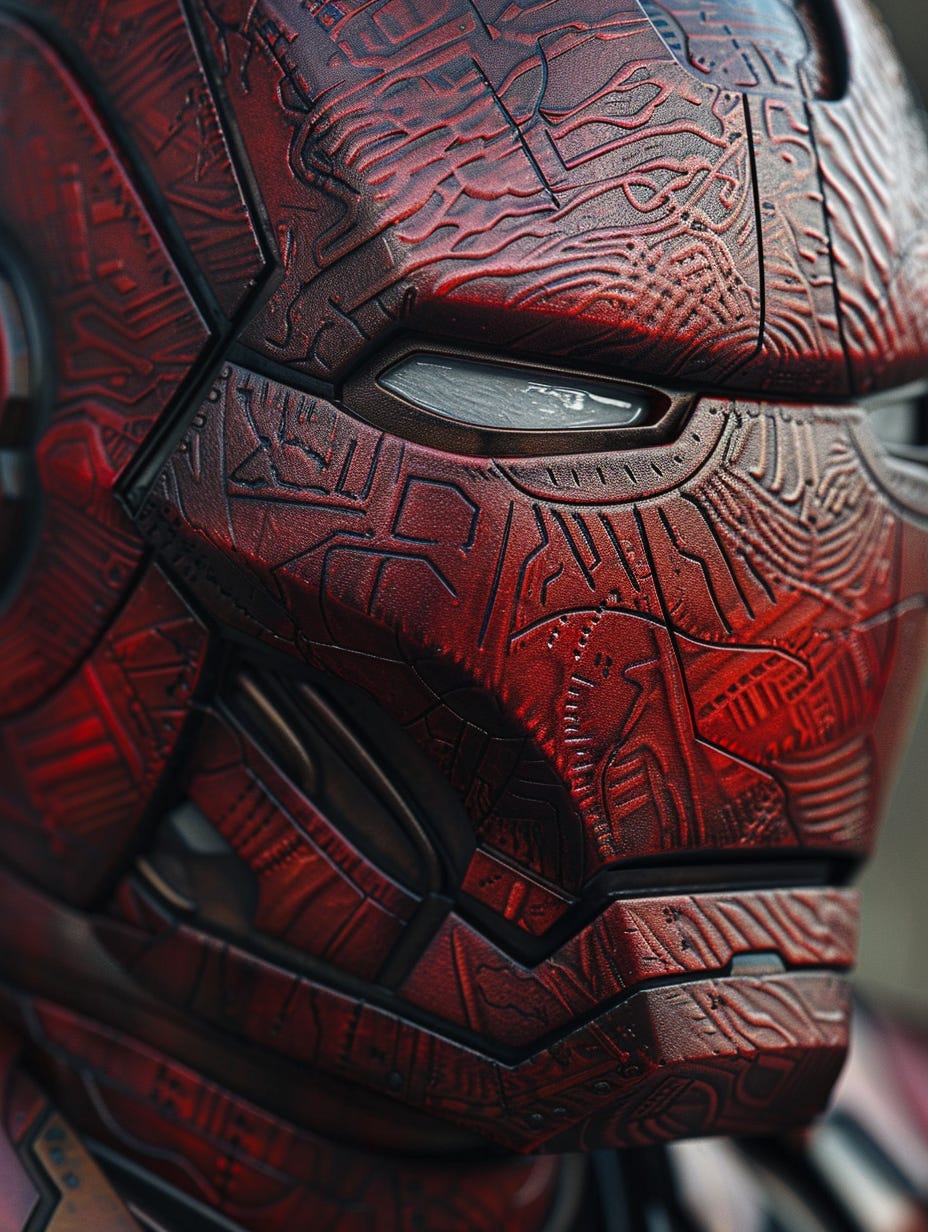
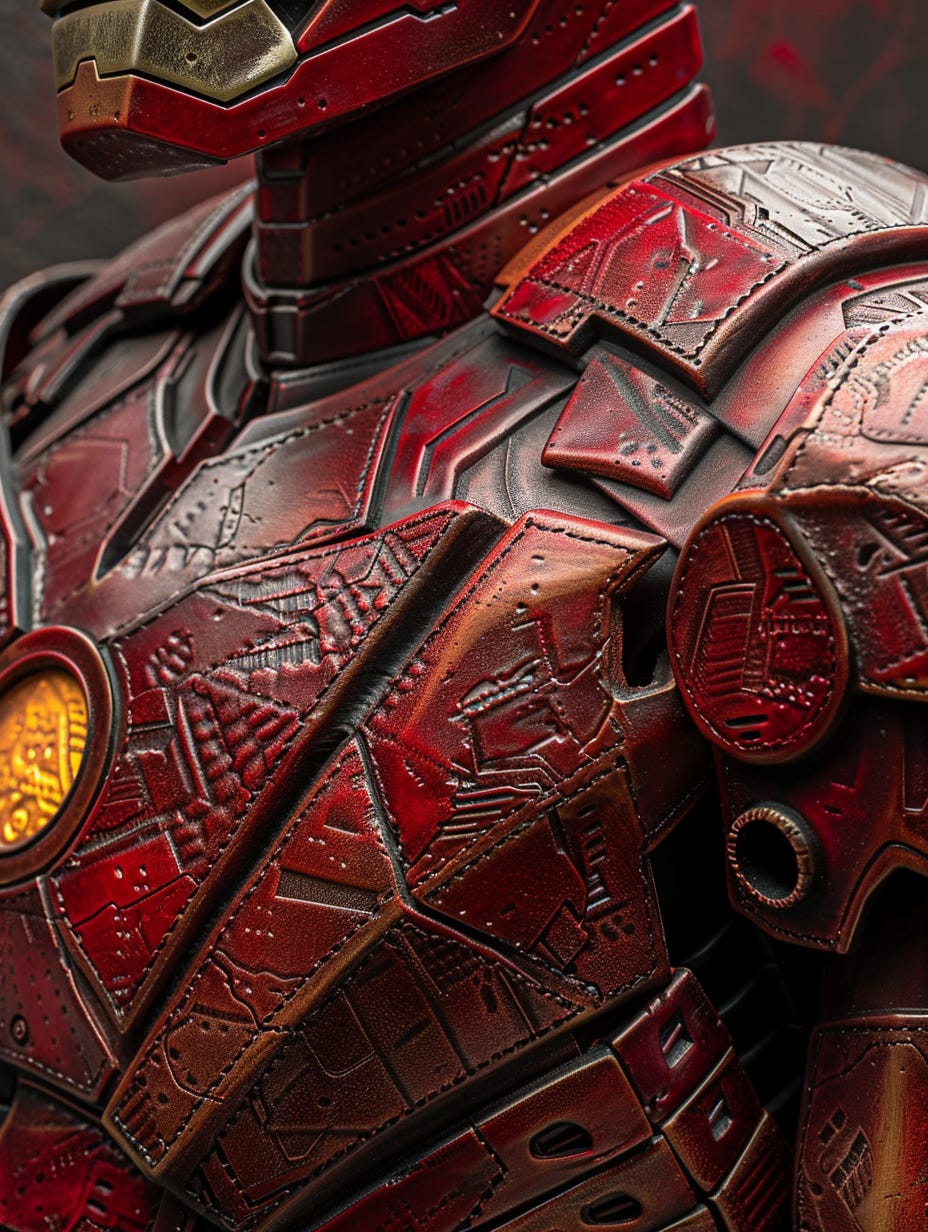

Peter Main: A master of leather carving and tooling, Main's work is known for its intricate detail and realistic depictions, setting a high standard in the leatherworking community.
Al Stohlman: An iconic figure in leathercraft, Stohlman's books and patterns have taught generations of leatherworkers the art of tooling and carving.
Ann Stohlman: Alongside Al, Ann Stohlman has contributed significantly to leathercraft with her detailed and creative designs, particularly in the realm of leather sculpture.
Tony Laier: A contemporary leather artist known for his innovative techniques and detailed tutorials, Laier has expanded the possibilities of what can be achieved with leather.
Paul Burnett: Renowned for his realistic wildlife carvings, Burnett's techniques and teaching materials have influenced many in the leatherworking field.
Jim Linnell: An expert in leather tooling and carving, Linnell's work and instructional videos have helped many leather artisans refine their skills.
Modern Mavericks
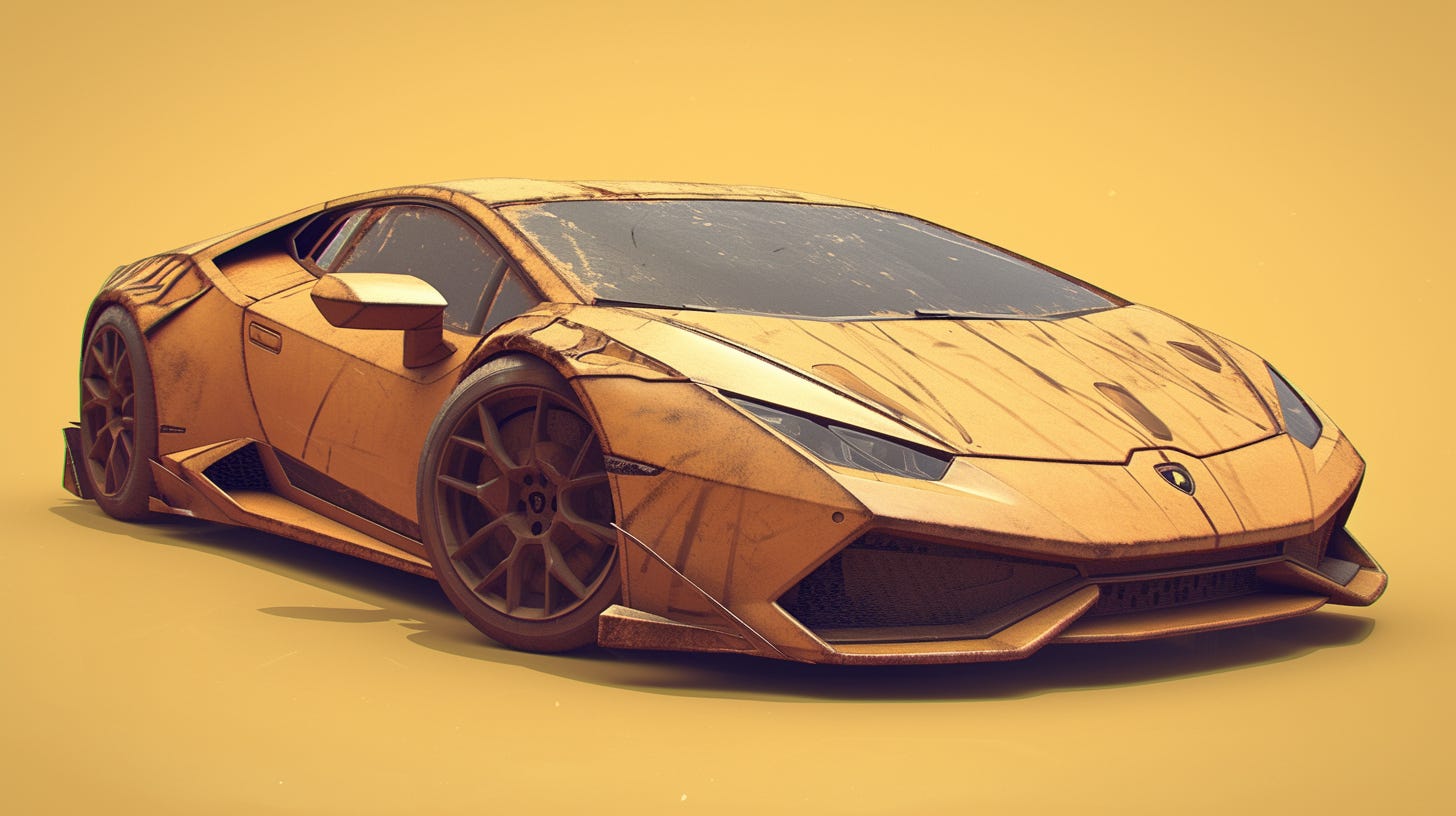
Today, leather artisans are like the alchemists of yore, turning humble hides into gold-standard goods. With sustainable practices giving old leather new life, the craft is experiencing a renaissance that would make even a Medici look twice.
Leather’s Legacy Lives On
As we zip up this leather-laden journey, remember, leather art isn't just about crafting material; it’s about crafting imagination and attitude. It’s the swagger in your step when you don that jacket, and the confidence in your grip as you hold a hand-stitched wallet. So, keep your eyes on this enduring art form—because, in the world of leather, the possibilities are as boundless as they are bound in leather. Stay stylish, stay sleek, and keep rocking that leather legacy! ✌️