


Playing Picasso
with a Flashlight
Welcome to light painting—where you can wave a light around like a lunatic and end up with a masterpiece. Grab your cameras and maybe a beer, because we’re about to stumble through the luminous labyrinth of light painting!

Whoops, I Made Art
Light painting’s illustrious journey began, unsurprisingly, with a screw-up. Back in 1889, photographer Étienne-Jules Marey and his assistant Georges Demeny were messing around with long exposures when they accidentally created a light painting. Their blunder caught the motion of a light source, resulting in a trail that made people go, “Huh, neat!” and inadvertently spawned a new art form.

Picasso: The Ultimate Show-Off
Fast forward to the 20th century, and along comes Man Ray, playing with penlights like a kid with sparklers. But it wasn’t until the ever-modest Picasso got involved in the 1940s that light painting got some serious street cred. Picasso, always one for subtlety, created iconic light paintings that screamed, “Look at me, I’m not just a painter, I’m a wizard with a flashlight!”


Trigger Tokens:
vibrant colors,
abstract light forms,
contrasting backgrounds,
layered light trails,
surreal atmosphere,
temporal elements,
reflections and refractions,
light painting,
long exposure,
light trails,
night photography,
light drawing,
light graffiti,
luminescent trails,
motion of light,
painted with light,
light sketches,
kinetic light art,
long exposure,
dynamic movement,
Prompt Starts:
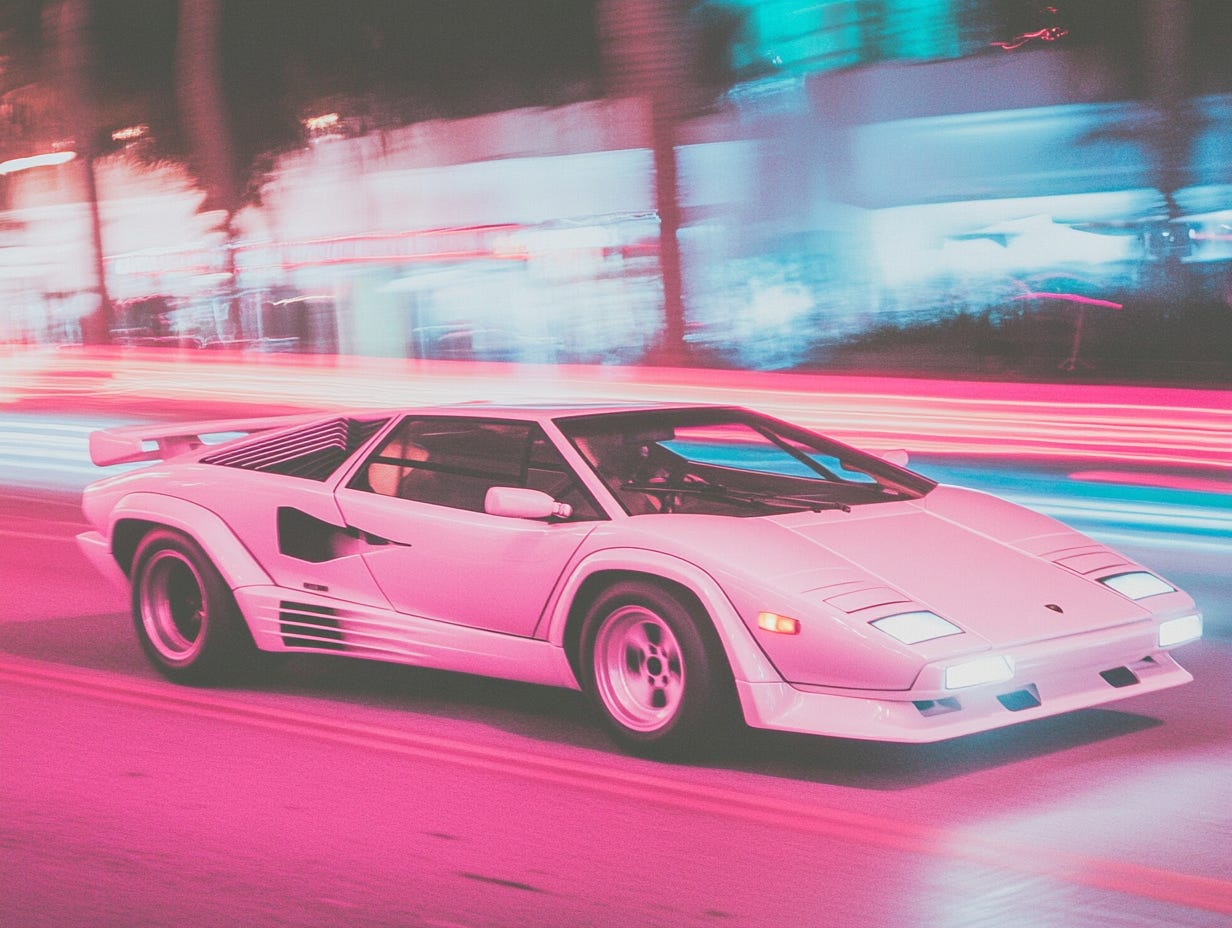
Long exposure photo of [subject] painted with layered light trails
----
Long exposure light painting of [subject] with luminescent light trails
----
[subject] light painting with long exposure photography, light trails, night photography light drawing, light graffiti with luminescent trails, motion of light painted with layered light trails
----
light painting of [subject], in the style of long exposure with dynamic movement and layered light trails and temporal light painting elements
Long Exposure: The Art of Waiting Around
Light painting is basically what happens when you leave your camera’s shutter open and wave a light source around like you’ve had one too many espressos. By setting a long exposure, you capture the movement of light over time, resulting in images that make you look way more talented than you actually are.
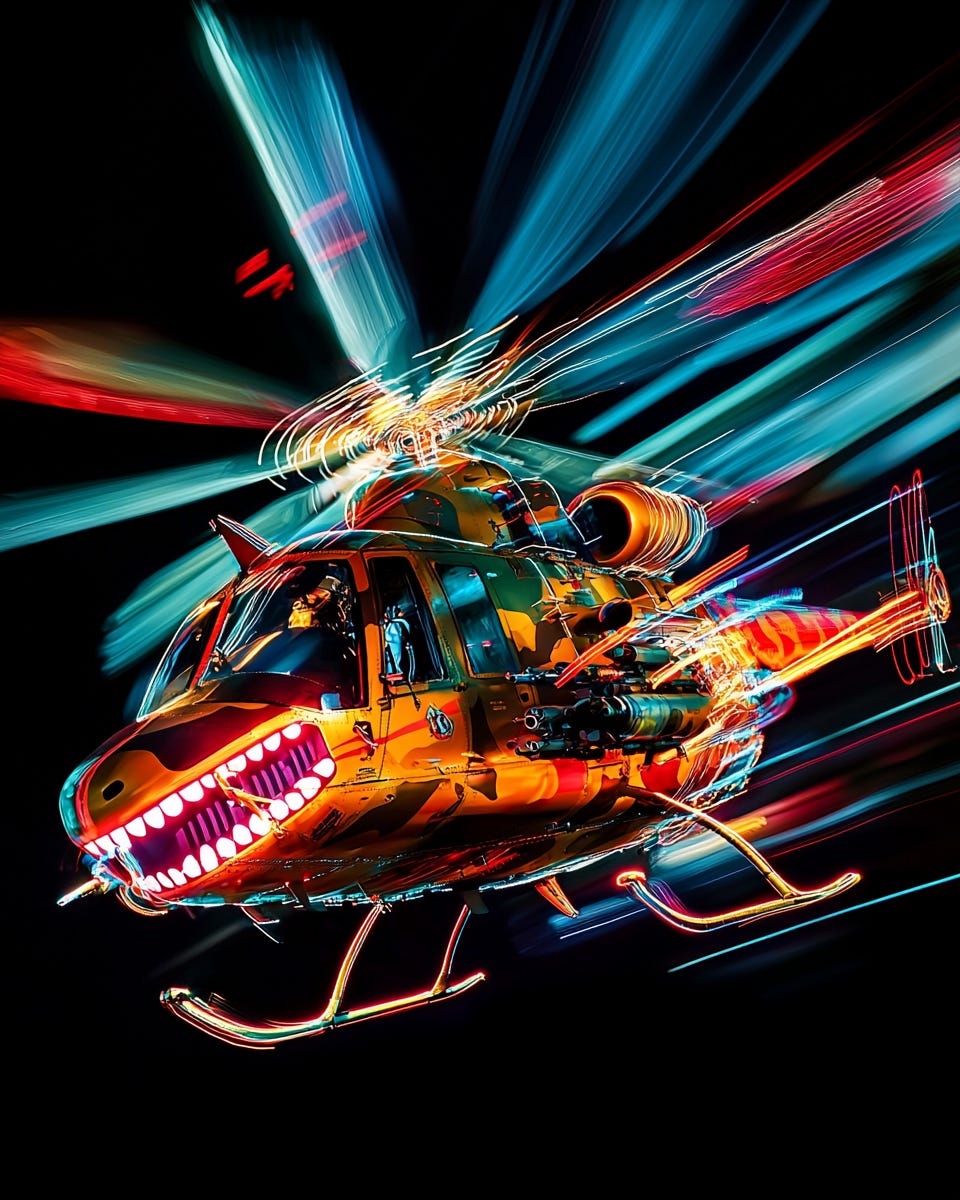

Dynamic Movement: Capturing the motion of light sources to create fluid, dynamic compositions.
Vibrant Colors: Use of bright, neon-like colors that stand out against dark backgrounds.
Abstract Forms: Creation of abstract shapes and patterns through controlled light movements.
Long Exposure: Utilization of long exposure times to capture the trails of moving light.
Complex Patterns: Intricate and detailed designs made by moving lights.
Contrasting Backgrounds: Dark or black backgrounds to make the light trails pop.
Layered Light Trails: Multiple layers of light movements creating depth and complexity.
Surreal Atmosphere: Dreamlike and otherworldly visual effects achieved through light painting.
Geometric Shapes: Use of geometric patterns and forms in light paintings.
Temporal Elements: Emphasis on the passage of time and motion in the artwork.
Reflections and Refractions: Use of reflective surfaces to enhance the light effects.
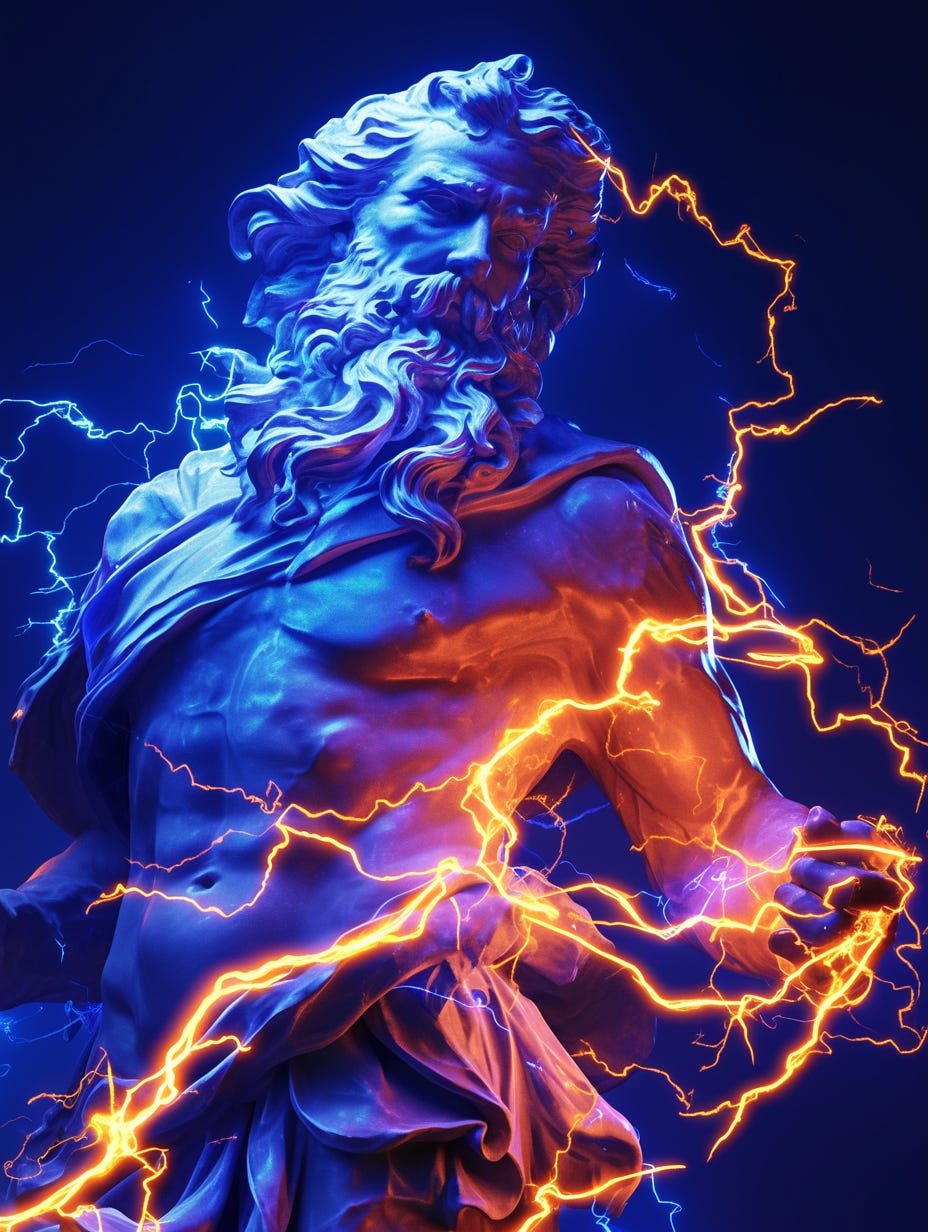
The Fancy Flashlight Club
To join the ranks of light painters, you need a few tools: a camera that doesn’t mind staying awake, a tripod to keep it steady, and a light source—anything from flashlights to glow sticks to high-tech LED wands. Each tool creates different effects, so feel free to get creative or just raid your kid’s toy box.
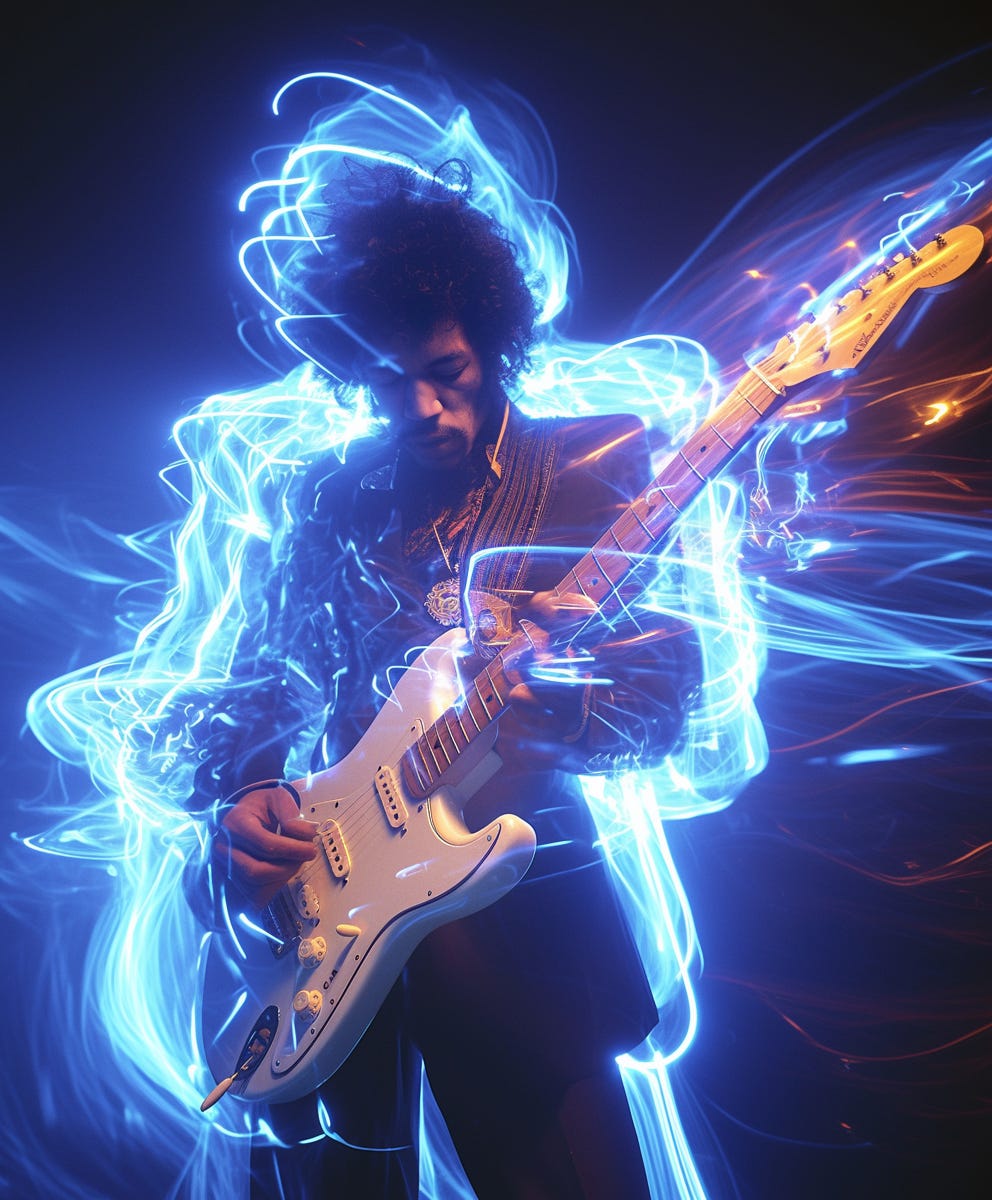
From Geek Hobby to Art Gallery
What started as a geeky pastime has evolved into an actual art form that people pretend to understand at galleries. Light painting is now showcased in exhibitions and commercial photography, proving that even flailing around in the dark can be considered high art if you do it with enough conviction.
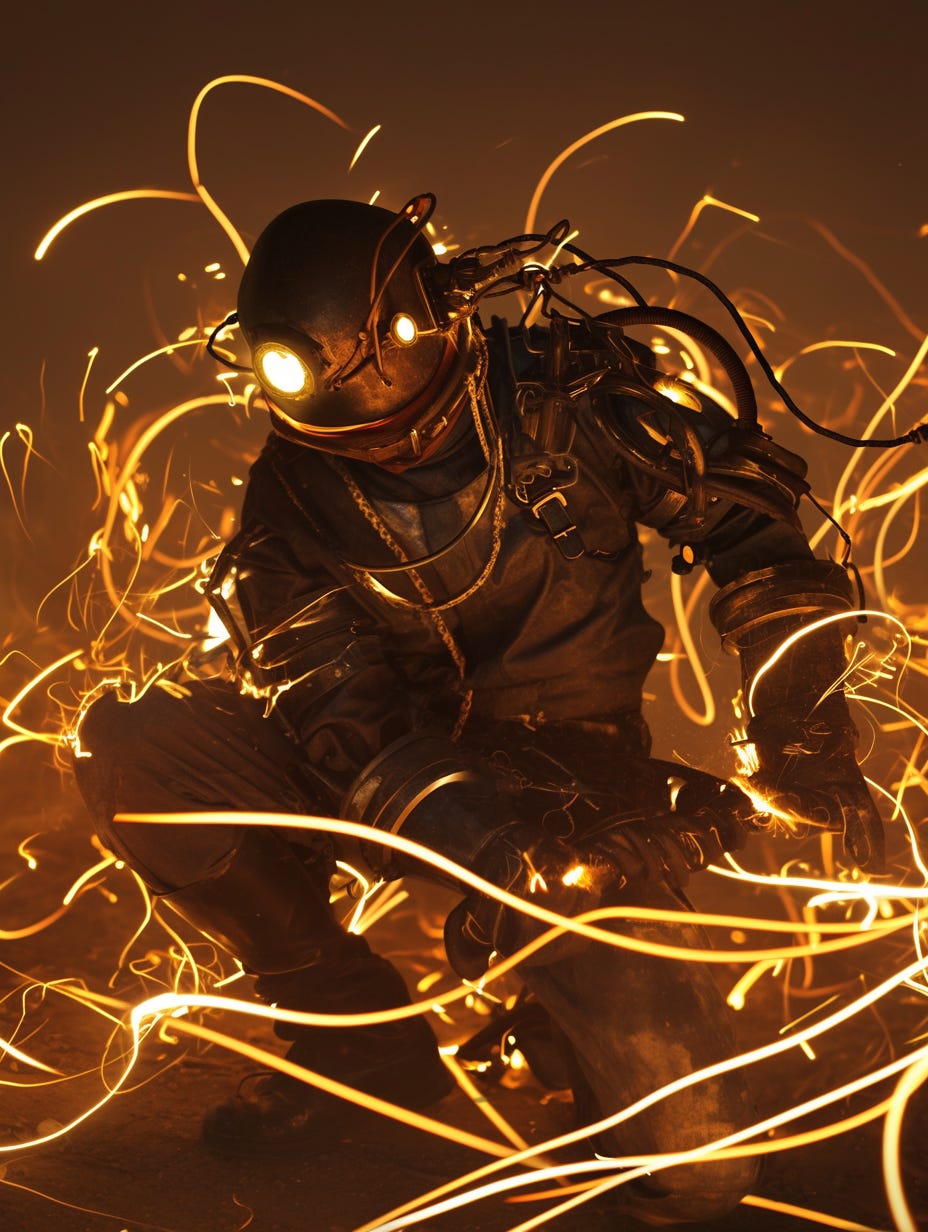
Revealing the Unseen (or Just Making Stuff Up)
One of the coolest things about light painting is its ability to capture what we normally can’t see—mainly because it doesn’t exist. By tracing light in the air, you turn boring reality into a fantastical scene, which is great for impressing people who don’t realize how easy it is.

Pablo Picasso: Although primarily known as a painter, Picasso experimented with light painting in the late 1940s, creating some of the earliest known examples of the technique.
Gjon Mili: A pioneering photographer who worked with Picasso on light painting projects, Mili's work often explored the dynamic movements of light.
Eric Staller: Known for his elaborate and whimsical light paintings, Staller’s work often transforms urban environments into fantastical scenes.
Dean Chamberlain: A light painting photographer who uses the technique to create vibrant, surreal portraits and landscapes.
Michael Bosanko: Recognized for his detailed and colorful light paintings, Bosanko’s work includes both abstract and representational forms.
Toby Keller (Burnblue): A modern light painting artist known for his stunning long-exposure photographs that capture intricate patterns and landscapes illuminated by light.
Modern-Day Wizards
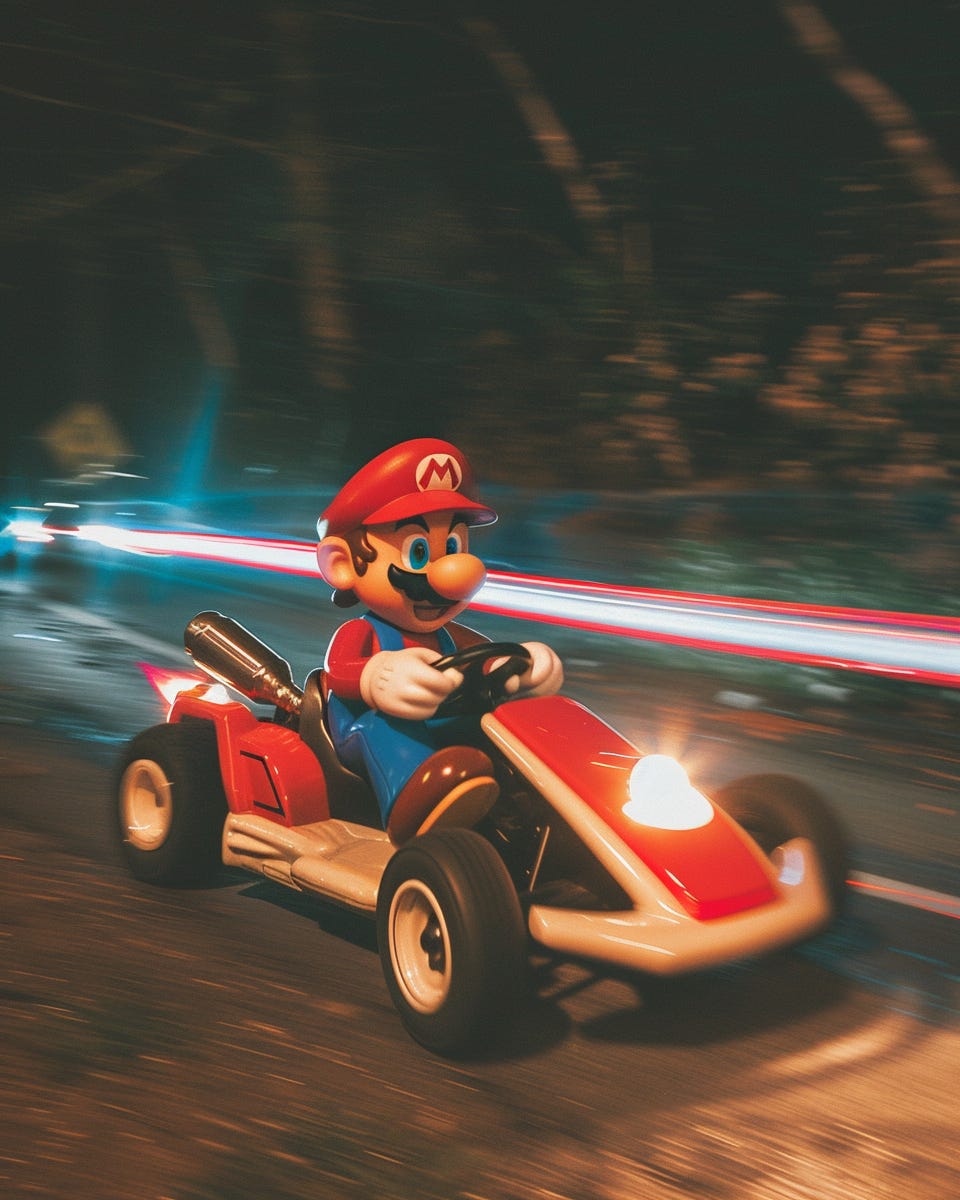
Today, light painting is more popular than ever, thanks to technology that makes it even easier to fake being a genius. High-quality digital cameras and specialized light tools have turned anyone with a decent sense of timing into a potential light painting master. And with social media, you can share your glowing scribbles with the world and rack up those sweet, sweet likes.
Bright Lights, Big Future
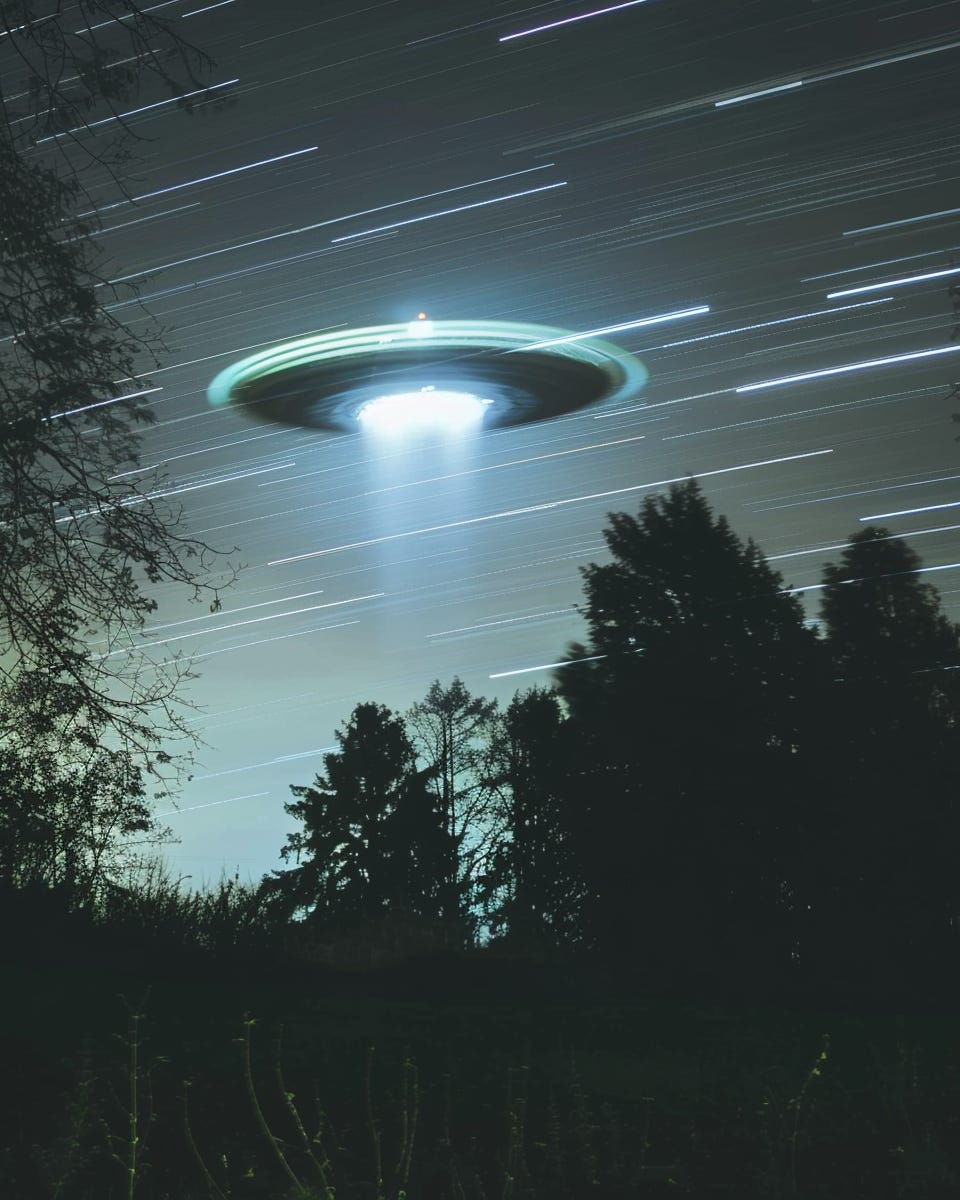
From its bumbling beginnings to its current status as an art form that makes you look both cool and artsy, light painting is all about making the invisible visible. Next time you see a glowing, swirling masterpiece, remember: it’s just someone waving a flashlight around in the dark. Cheers to light painting, the art form that proves you don’t need to see what you’re doing to make something amazing! ✌️
Great article and exsmples!