


Shadows in
the Spotlight

From Gloom to Glam: The Birth of a Style
Low key lighting wasn't born; it slinked out of the foggy backdrop of film noir, wearing a trench coat and smoking a cigarette. Picture the early 20th century, when filmmakers, inspired by the dramatic chiaroscuro techniques of Renaissance painters, decided to bring that drama to the silver screen. It was like they turned every set into a smoky jazz club where secrets and intrigues whispered around every shadowed corner.


Tag-style Trigger Tokens:
low key lighting
high contrast lighting
cinematic shadows
minimal light source
dramatic illumination
shadowed faces
dark background
mood lighting
textured shadows
chiaroscuro effect
focused highlights
atmospheric depth
visual tension
Story-style Trigger Tokens:
Film noir style low key lighting
Moody cinematic portrait with shadowed features
Dramatic scene with minimalistic lighting
Intense character study under strategic highlights
Suspense thriller with dark, shadowed sets
Psychological drama illuminated by a single light source
Artistic low key lighting in a black and white photograph
Theatrical performance with deep stage shadows
Gothic ambiance with textured low light
Horror scene with creeping shadows
Mysterious figure barely visible in the darkness
Vintage film look with deep contrast and shadows
Emotional close-up with shadows playing over the face
High contrast: Sharp contrast between light and shadow.
Minimal lighting: Limited light sources to create deep shadows.
Mood enhancement: Creates a somber, mysterious, or dramatic tone.
Focus on subject: Highlights the subject by isolating them in light.
Deep shadows: Prominent shadows that often obscure parts of the scene.
Color saturation: Rich, deep colors that stand out against darker backgrounds.
Atmospheric depth: Adds a sense of depth and volume to the scene.
Dramatic visuals: Often used to heighten the drama and tension.
Subtle details: Shadows can hide or reveal details, adding a layer of subtlety.
Symbolic use of darkness: Darkness can symbolize fear, unknown, or isolation.
Texture emphasis: Light can emphasize textures against a dark background.
Strategic highlights: Small areas illuminated to guide viewer’s focus.
Cinematic feel: Commonly used in cinema to evoke a strong stylistic flair.
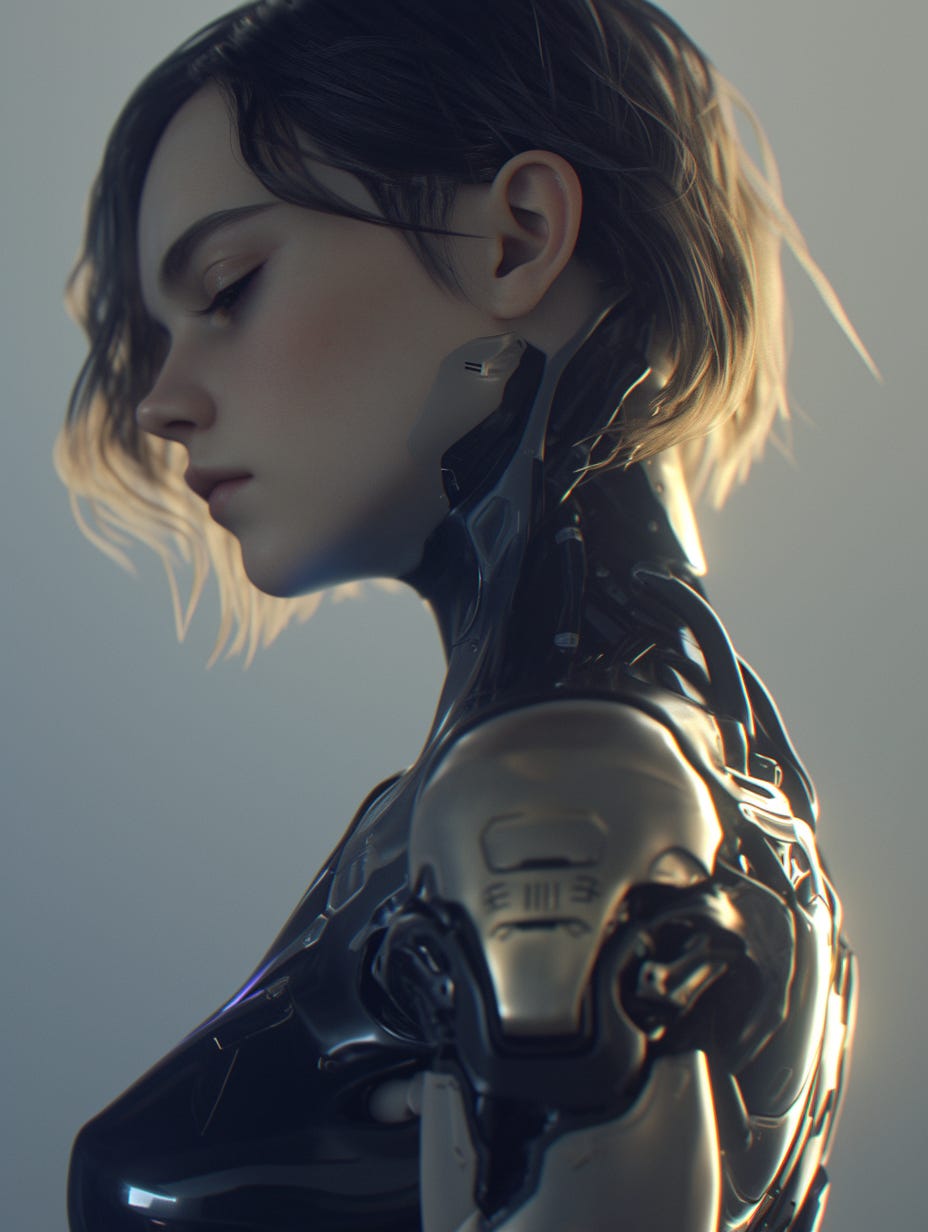

Lights, Camera, Atmosphere!: Technological Enhancements
As technology evolved, so did the art of low key lighting. With the advent of better film stock and more controllable lighting equipment, cinematographers could create even more precise and evocative scenes. It was like giving Picasso a new set of brushes and watching him go wild on a canvas, but this time the canvas was film, and the brushes were lights.
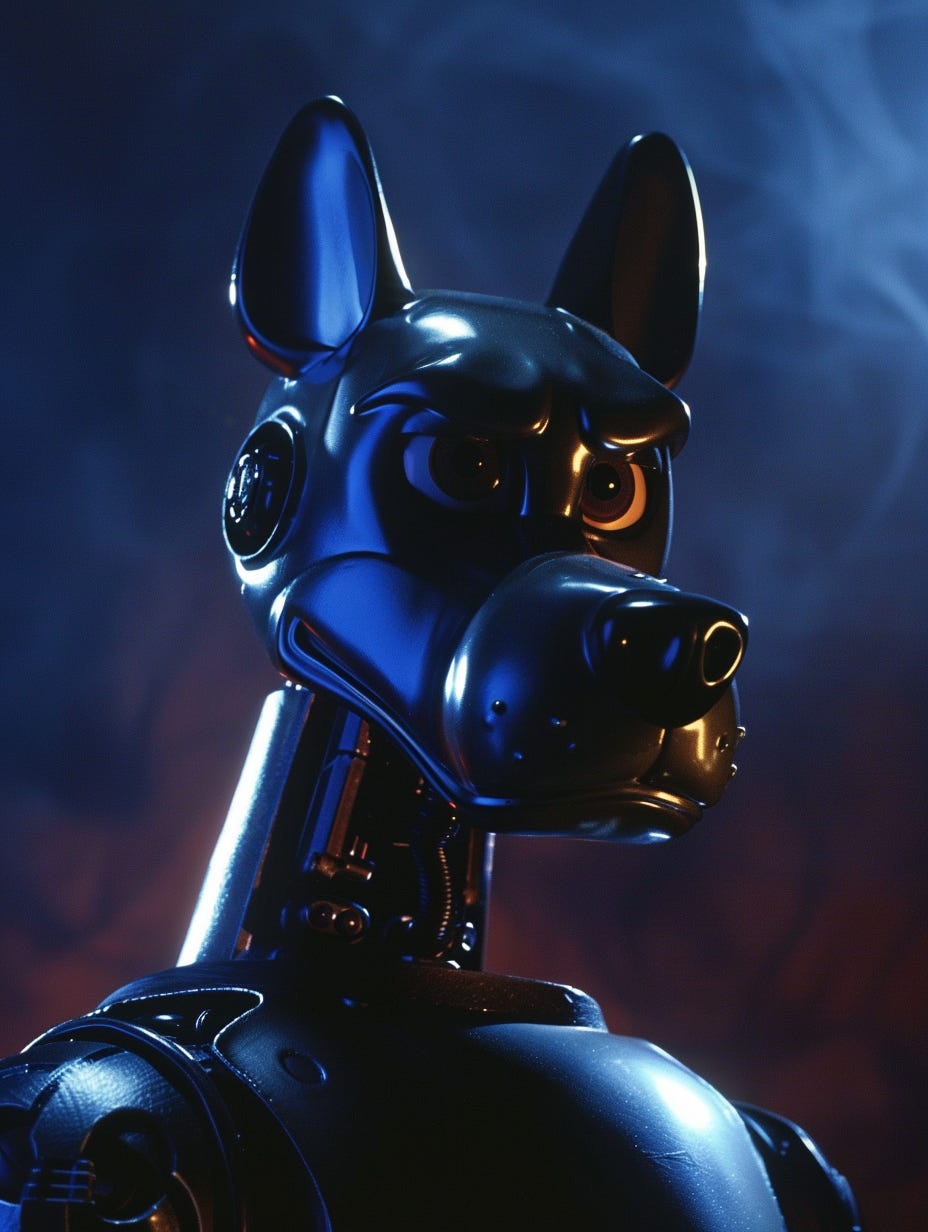
Crossing the Genre Border
Low Key Lighting Everywhere
No longer confined to the shadowy streets of film noir, low key lighting began to creep its way into other genres. Horror films, thrillers, and even romances started flirting with darker tones, proving that a little shadow could go a long way in setting the mood. It's like finding out your bright and cheery sitcom set actually looks better with a bit of strategic darkness—more romantic candlelight dinner, less fluorescent-lit office party.
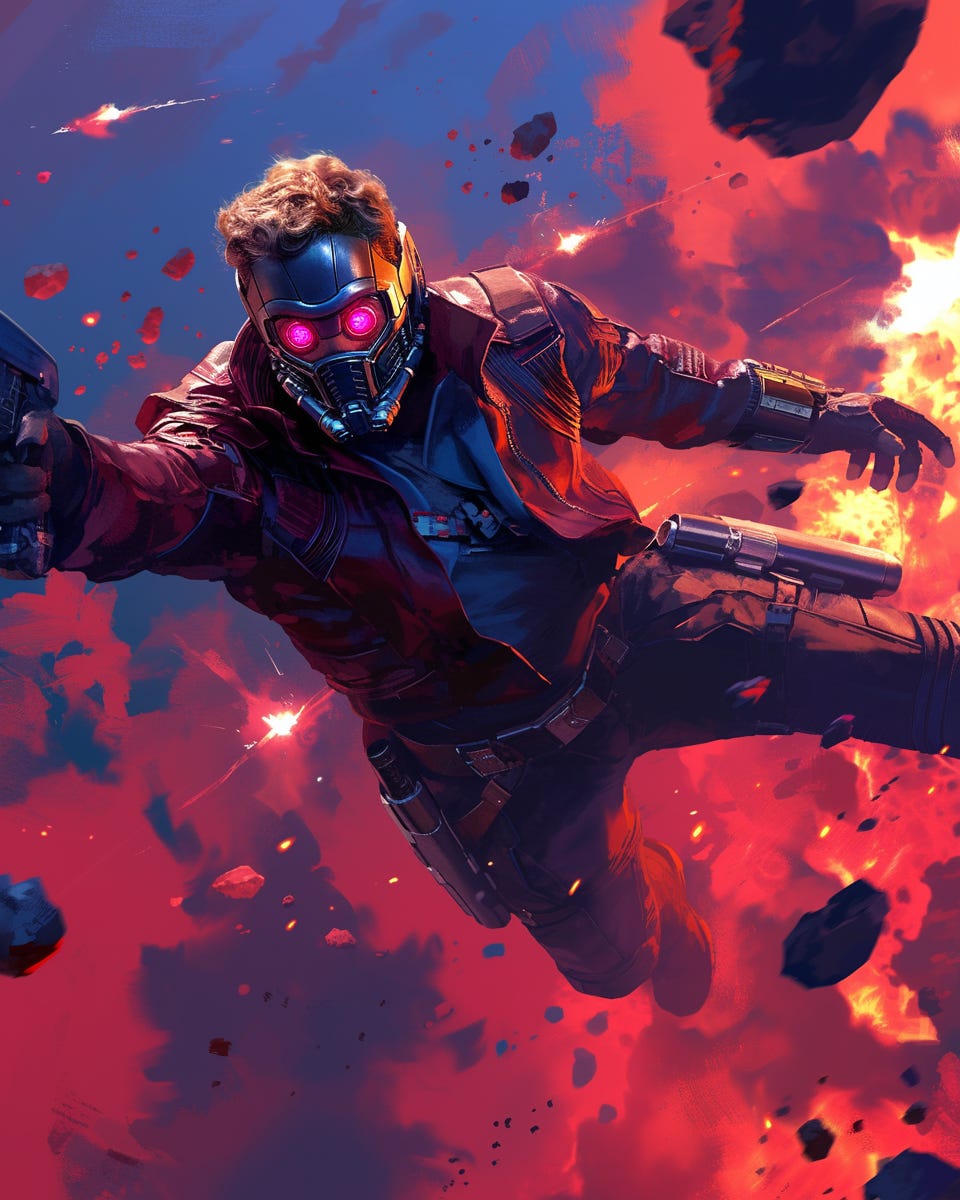
Beyond the Screen: Influencing Art and Design
The influence of low key lighting stretched beyond films and into photography, theater, and video games, where it added depth and intrigue to visuals. It's like the dark side of the Force—seductive, mysterious, and incredibly effective at making things look cooler than they might actually be.
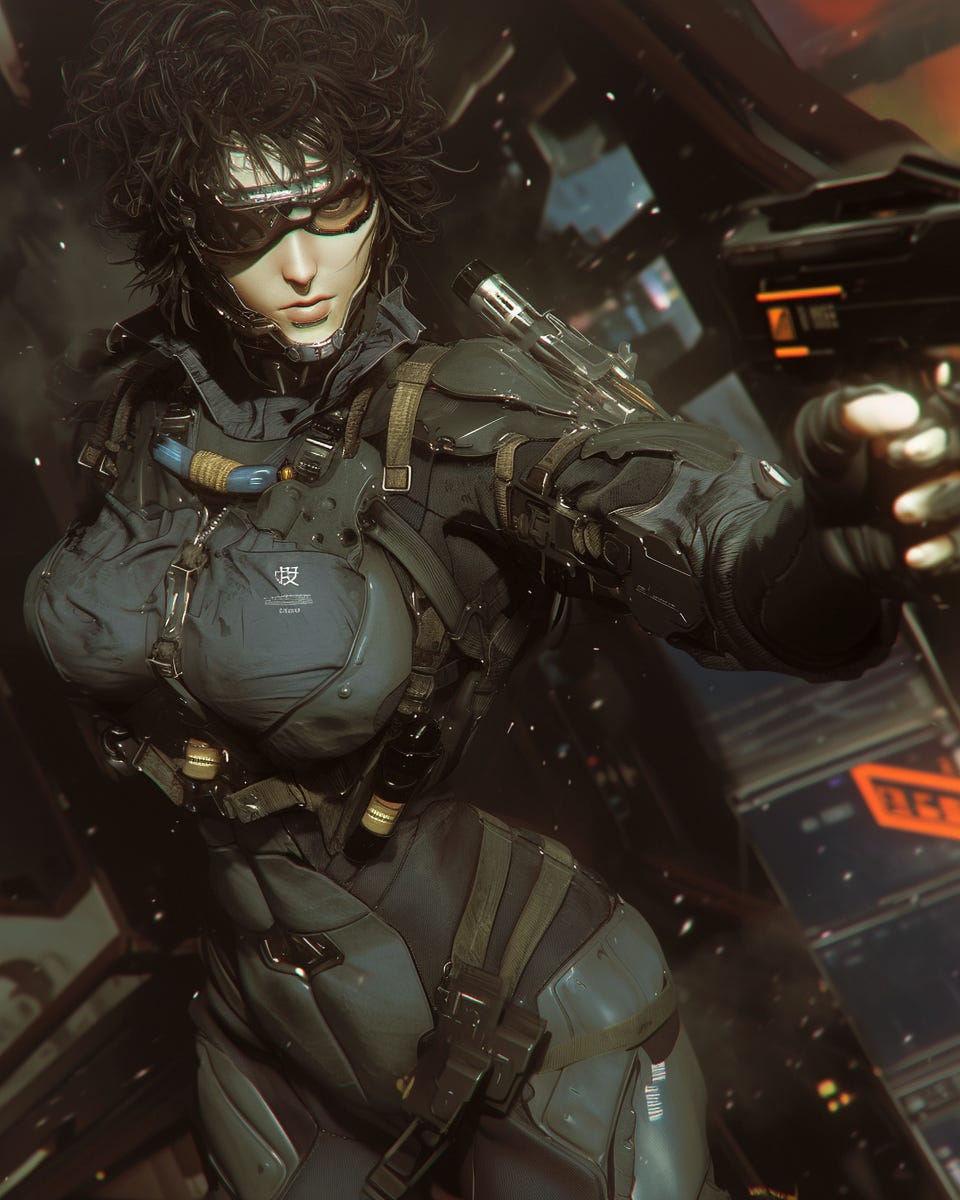
Iconic Moments and Masters
The Legends of Low Light
Cinematographers like Gordon Willis, who masterfully wielded shadows in "The Godfather," showed just how powerful low key lighting could be. Remember the scene where all you can see are Marlon Brando's eyes? That's low key lighting doing its thing, turning a simple close-up into an iconic cinematic moment.
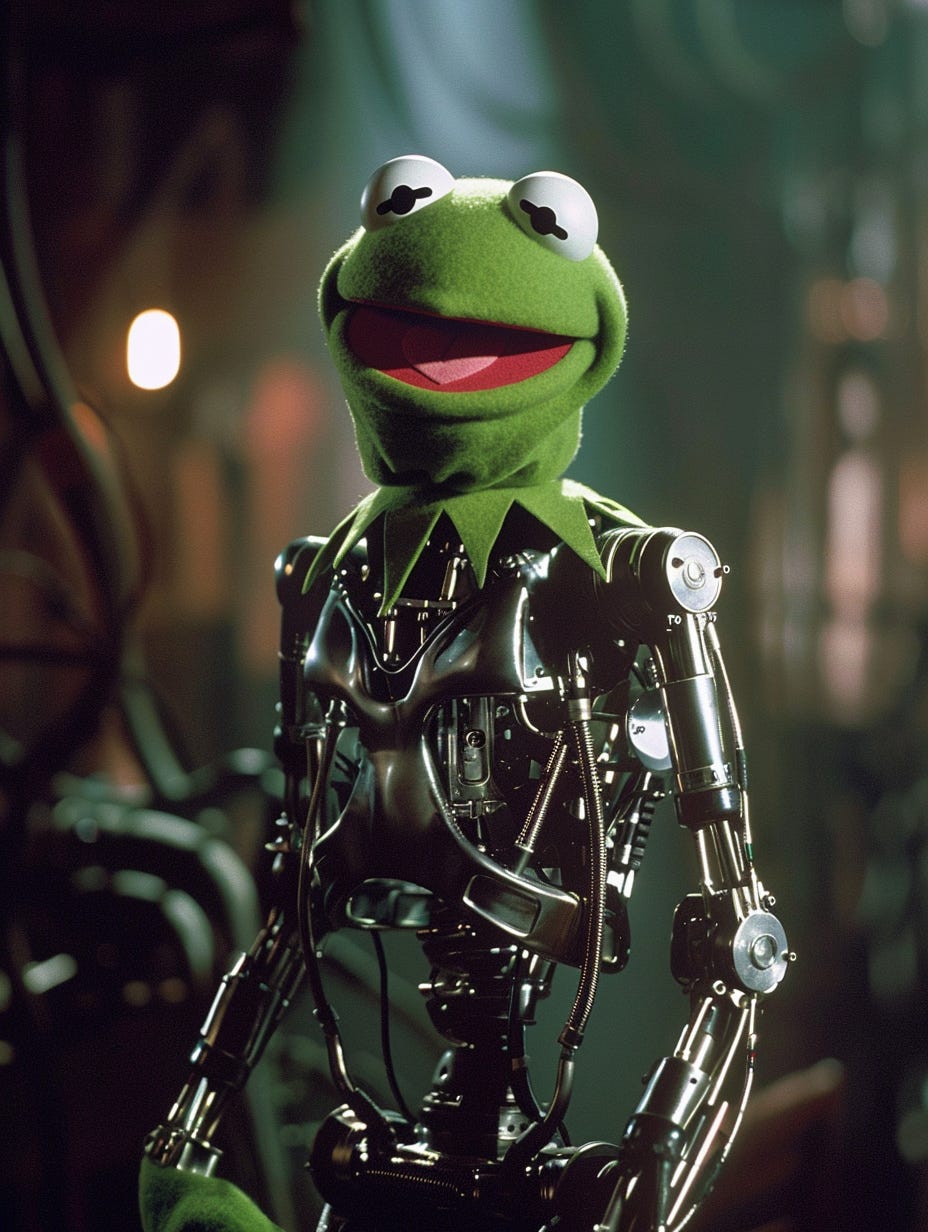

Gordon Willis: Known as the "Prince of Darkness" in cinematography, Willis mastered the use of shadows and minimal lighting in films like The Godfather series, setting a benchmark for mood and atmosphere with low key lighting.
Conrad Hall: An influential cinematographer who creatively used low key lighting to enhance emotional depth and complexity in films such as American Beauty and Road to Perdition.
Rembrandt: Although a painter, Rembrandt’s use of chiaroscuro in his works deeply influenced photographic and cinematic low key lighting techniques, focusing on illumination and shadow to sculpt subjects dramatically.
Gregg Toland: A pioneer in deep focus cinematography, Toland used low key lighting effectively in classics like Citizen Kane, creating a visual style that added layers of meaning and intrigue.
Vittorio Storaro: Known for his work on films like Apocalypse Now, Storaro used color and shadow through low key lighting to create powerful, symbolic scenes that evoke intense emotion and thought.
Sven Nykvist: Famous for his collaboration with Ingmar Bergman, Nykvist’s use of naturalistic, minimalistic lighting often leaned into low key to focus intensely on character and theme, notably in films like Persona.

The Dimly Lit Future
In the Age of HD and Beyond
Today, with high-definition cameras and advanced digital post-production, low key lighting has found new realms to conquer. It's used not just for drama and mystery but to add texture and layers to scenes in ways old Hollywood could only dream of. Imagine a superhero movie where the darkness literally fights the light, each frame a mini-battle of brightness and shadow.
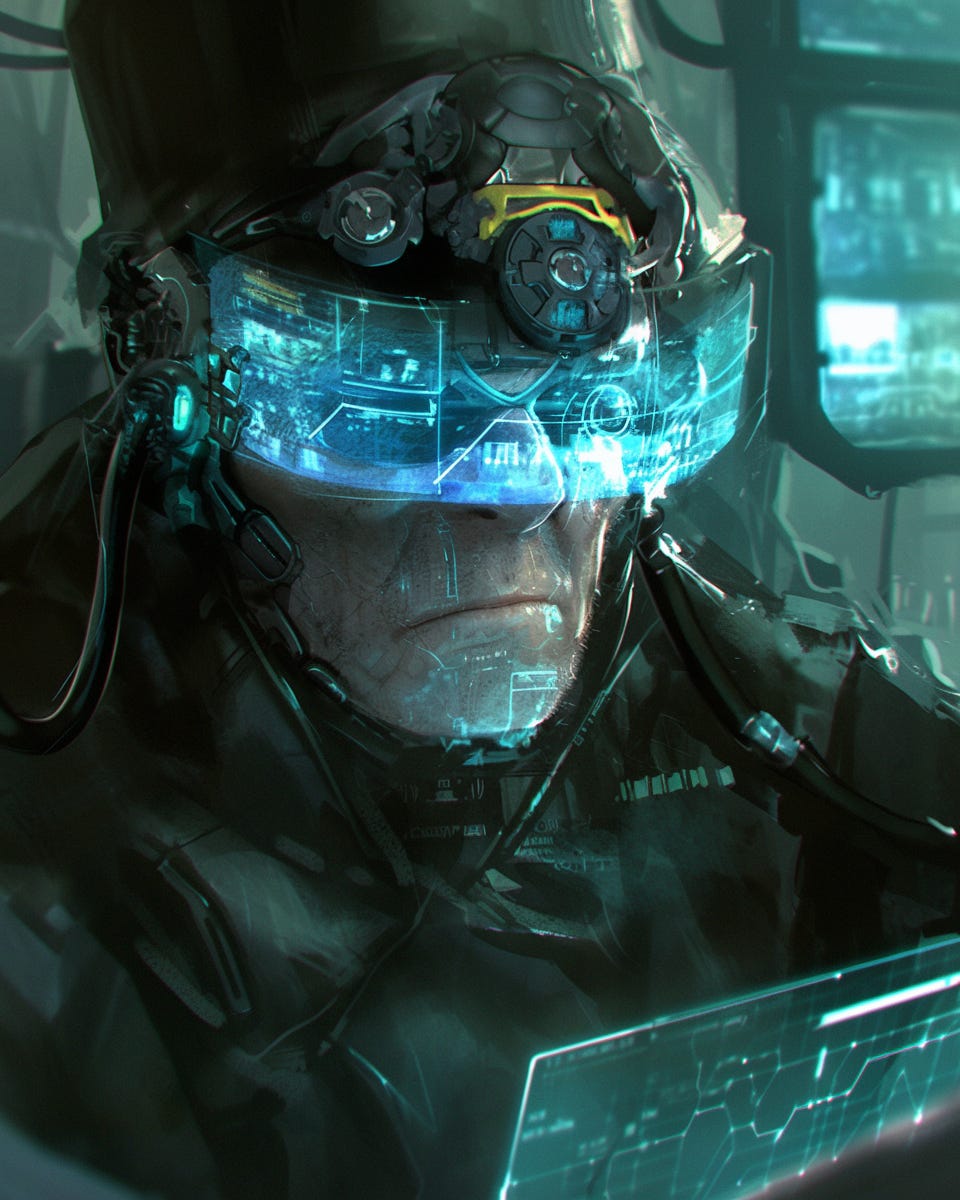
What Lies in The Shadows?
Looking ahead, the potential for low key lighting is as vast as the shadows it casts. Augmented reality, virtual reality, and other immersive media could see low key lighting adding depth and emotion in virtual worlds, making your next VR adventure feel like a noir detective story where you're the lead.
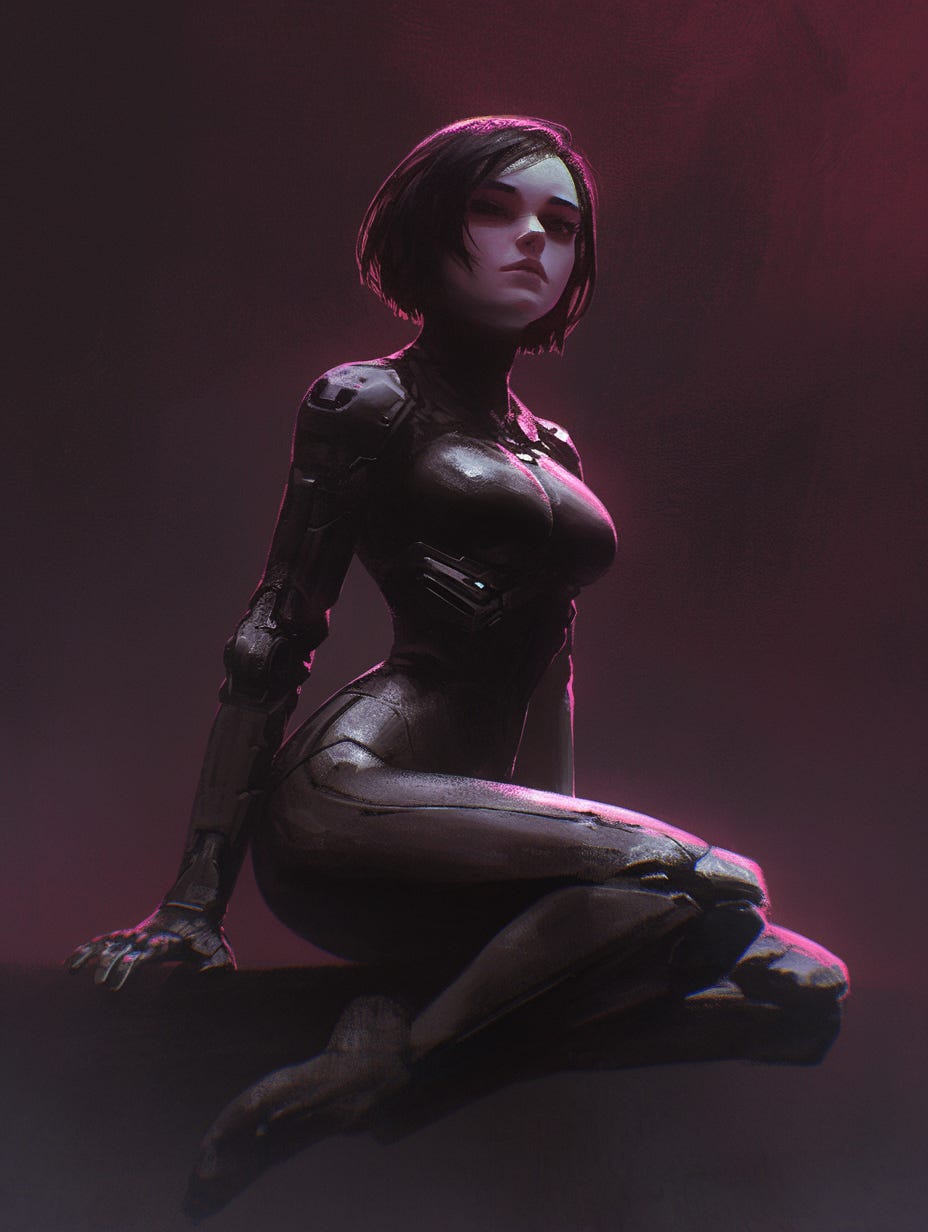
Embrace the Dark Side
As we flick the lights back on and step out of the shadows, it's clear that low key lighting is much more than just a way to set the mood; it's a storytelling powerhouse that can whisper secrets and shout emotions without saying a word. Whether you're a filmmaker, a photographer, or just a fan of all things moody and mysterious, remember: sometimes, the most powerful stories are told not by what you see in the light, but by what lurks in the shadows. So the next time you watch a movie or snap a photo, think about what you're not seeing. That's where the magic happens. Lights out!✌️