


Where Art Dances and
Your Brain Stumbles!
Prepare to have your mind twisted, turned, and thoroughly bamboozled! (does anyone even use that word?) Optical Illusion Art, or Op Art as the cool kids call it, is not your average art stroll. Here, the paintings seem to pulsate, the floors appear to fall, and you might just find yourself questioning reality. So, adjust your reality goggles and let's dive into the dizzying world of Op Art, where every brushstroke is a brain teaser and every angle aims to astonish.

The Pioneers of Perception
Rewind to the 1960s, when artists like Victor Vasarely and Bridget Riley started playing tricks on the public with nothing but precise patterns and calculated color contrasts. These visionaries didn't just paint pictures; they painted experiences that leapt off the canvas and did the cha-cha with your cerebellum.

Op Art's First Shockwaves
Remember the first time Op Art hit the galleries? Viewers lined up for the visual equivalent of a roller coaster ride. The initial reactions ranged from "Is this witchcraft?" to "Someone grab me a Dramamine!" proving that Op Art was more than art—it was an event.


Tag-Style Trigger Tokens:
op art,
optical illusion,
geometric patterns,
pulsating movement,
abstract geometry
geometric patterns,
vibrant contrasts,
repeating motifs,
distorted perception,
dynamic movement,
monochromatic palettes,
moiré effect,
color gradients,
complex symmetry,
interference patterns,
ambiguous figures,
depth illusions,
kinesthetic effects,
mathematical precision,
Story-Style Trigger Tokens:
an Op Art style illustration,
in the style of op art and optical illusions,
geometric optical illusion design,
vibrant contrasting colors in Op Art,
repeating patterns creating visual effects,
distorted perception with geometric shapes,
dynamic movement in static Op Art,
monochromatic Op Art piece,
color gradients in optical illusions,
symmetrical patterns creating depth,
interference patterns and moiré effects,
ambiguous figures in optical art,
depth illusion in Op Art,
kinetic and perspective-based optical illusion,
Op Art's Expansion
Watch as Op Art evolved from wall-bound wonders to infiltrate fashion, advertising, and architecture. Imagine walking into a building that seems to breathe or wearing a dress that dazzles onlookers into a double-take frenzy. Op Art taught us that art doesn't have to be static—it can sashay right up to you and say hello.
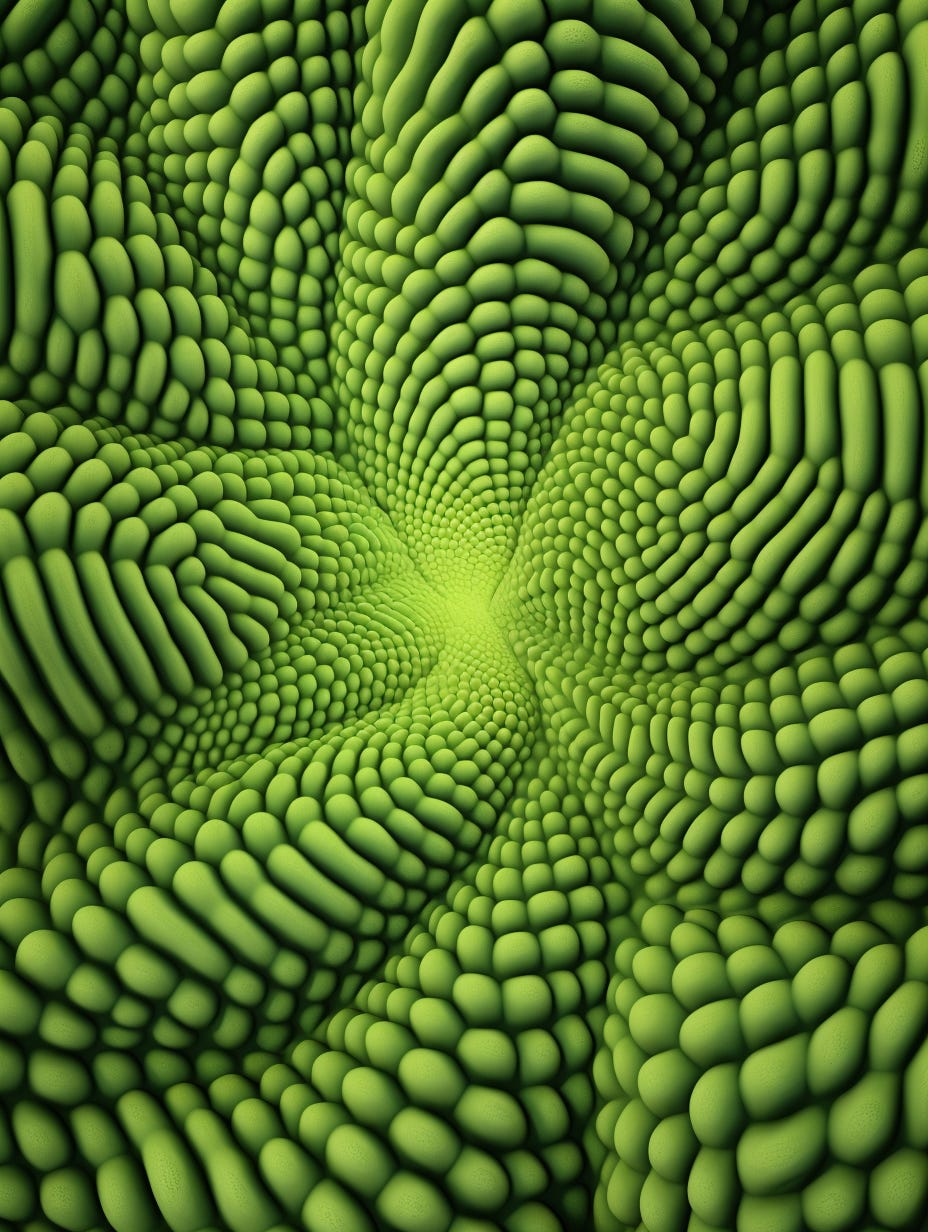

Geometric Patterns: Repeating shapes and lines that create a sense of movement and depth.
Vibrant Contrasts: High contrast between colors to enhance the optical effect.
Repetition: Repeating motifs that create rhythm and visual tension.
Distorted Perception: Designs that trick the eye into seeing movement or depth where there is none.
Dynamic Movement: Illusions of motion created through static images.
Monochromatic Palettes: Often uses black and white to maximize contrast and visual impact.
Color Gradients: Gradual changes in color that create a sense of flow and dimensionality.
Complex Symmetry: Symmetrical patterns that enhance the illusion of three-dimensionality.
Interference Patterns: Overlapping patterns that create moiré effects.
Ambiguous Figures: Images that can be interpreted in multiple ways, creating visual puzzles.
Depth Illusions: Techniques that create the illusion of three-dimensional space on a flat surface.
Kinesthetic Effects: Works that change appearance with the viewer's movement or perspective.
Mathematical Precision: In human-made Op Art, precise calculations and geometric designs underpin the optical effects.
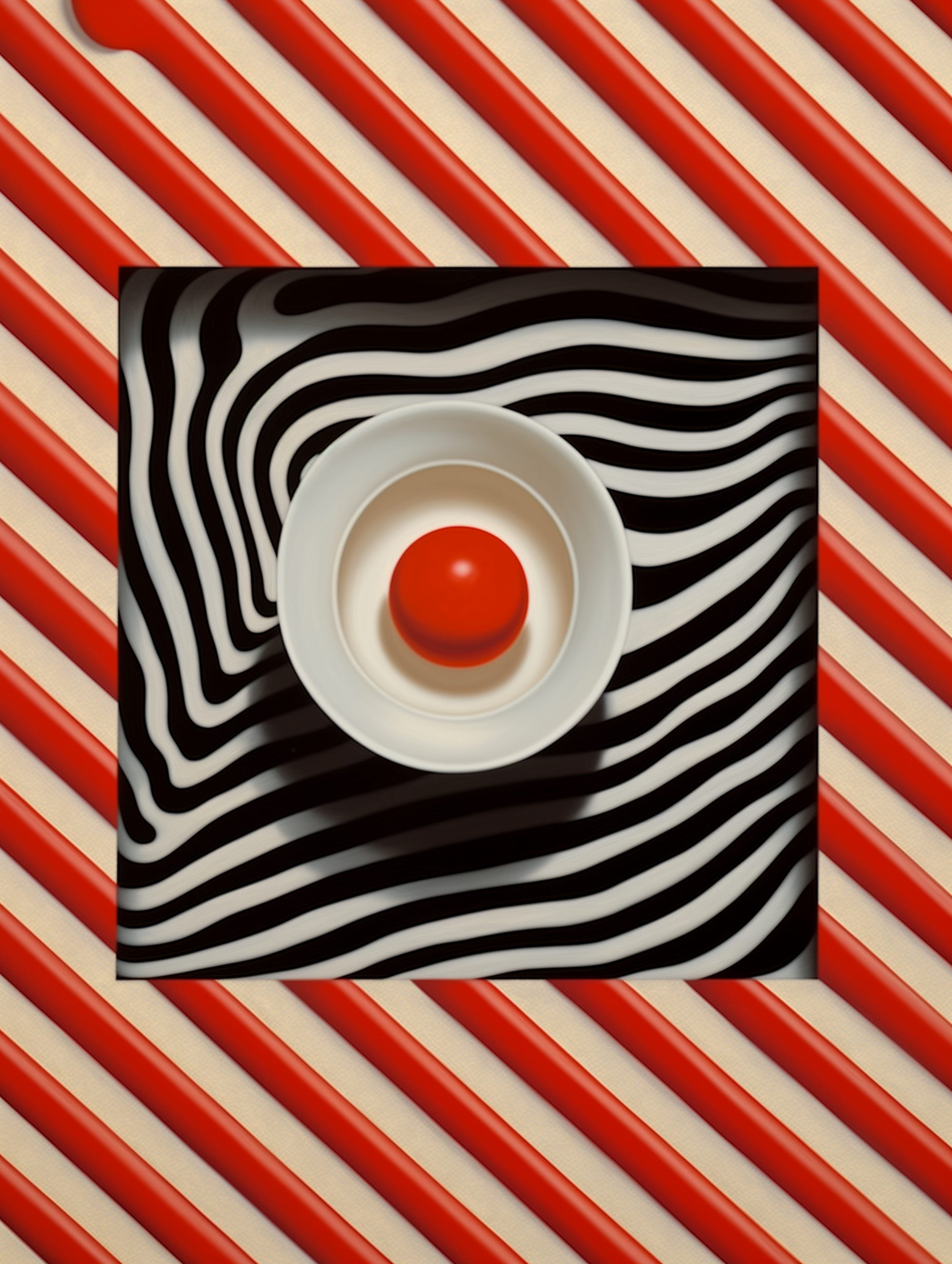
The Modern Masters
Meet the modern maestros who've taken Op Art to new dimensions with digital tools that let them twist reality in high definition. These artists are not just painters; they're programmers, creating algorithms that make your eyeballs do gymnastics.
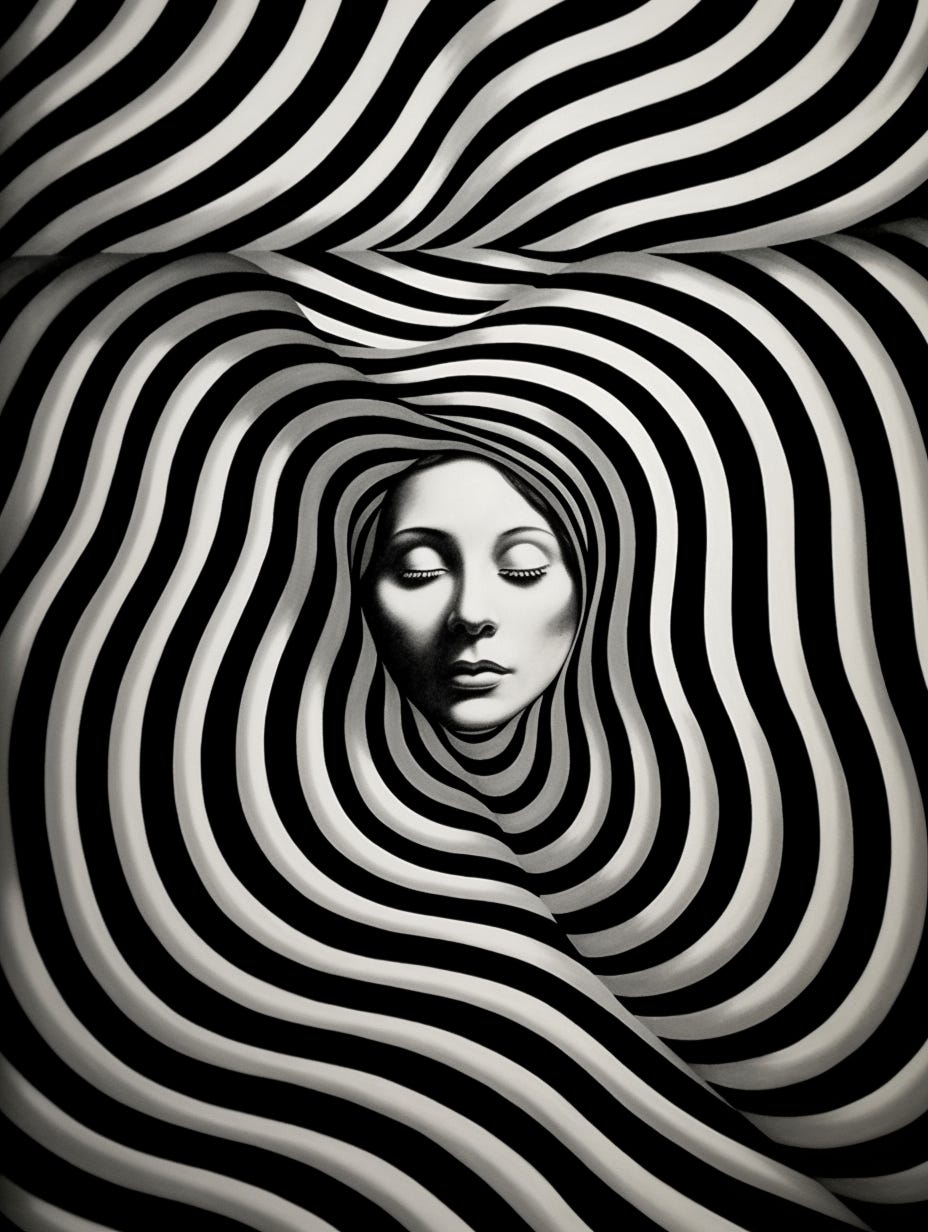
Op Art in Pop Culture
Dive into how Op Art left the galleries and gyrated its way into pop culture. From music videos that make you feel like you're falling into your screen to movie scenes that mess with your mind, Op Art has become a go-to for anyone looking to leave an impression—or an imprint on the viewer's brain.
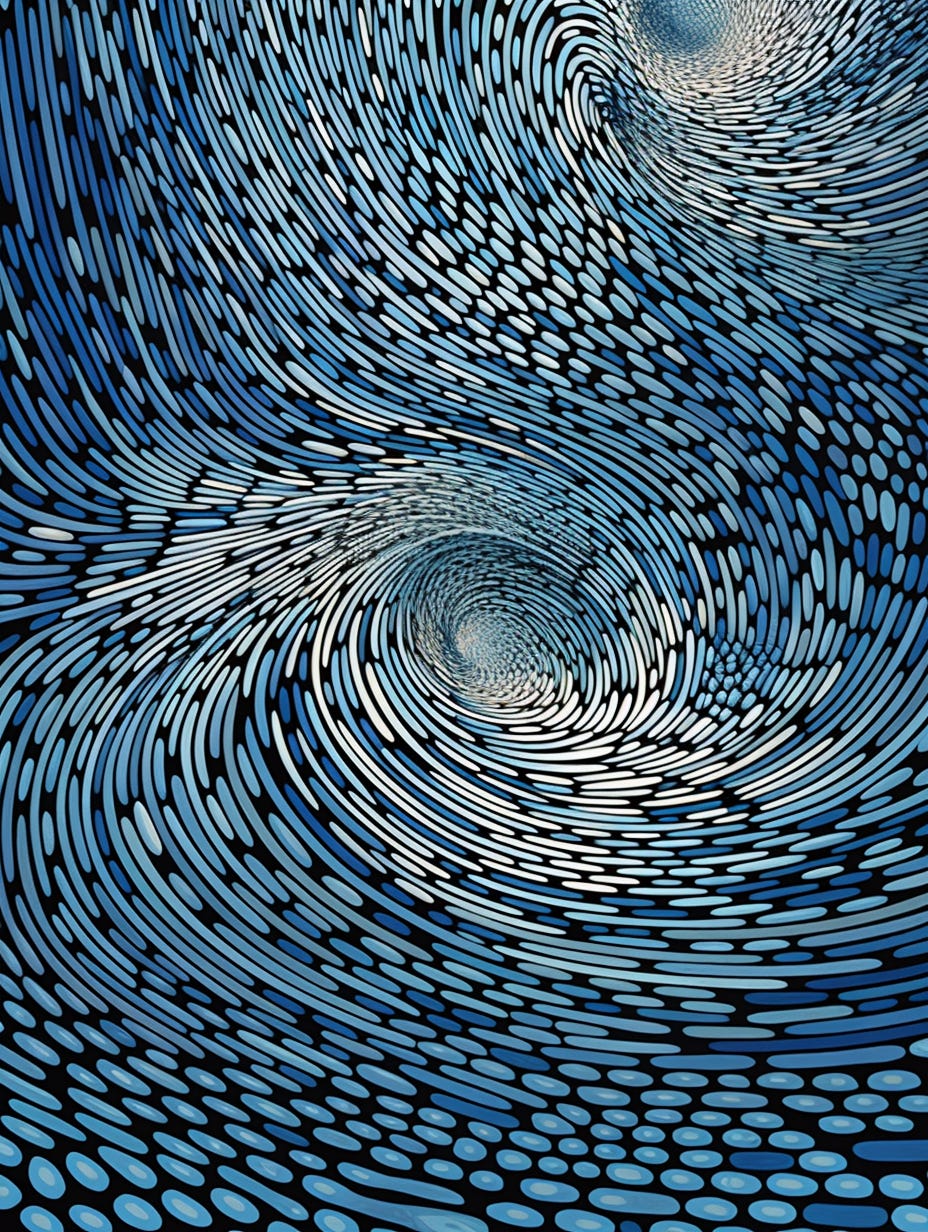
Why Your Brain Loves to Be Lied To
Why do we fall for it every time? Explore the science behind why Op Art messes with our heads. Spoiler alert: It's all about the battle between your brain's desire to make sense of the world and Op Art's mission to make it as hard as possible.
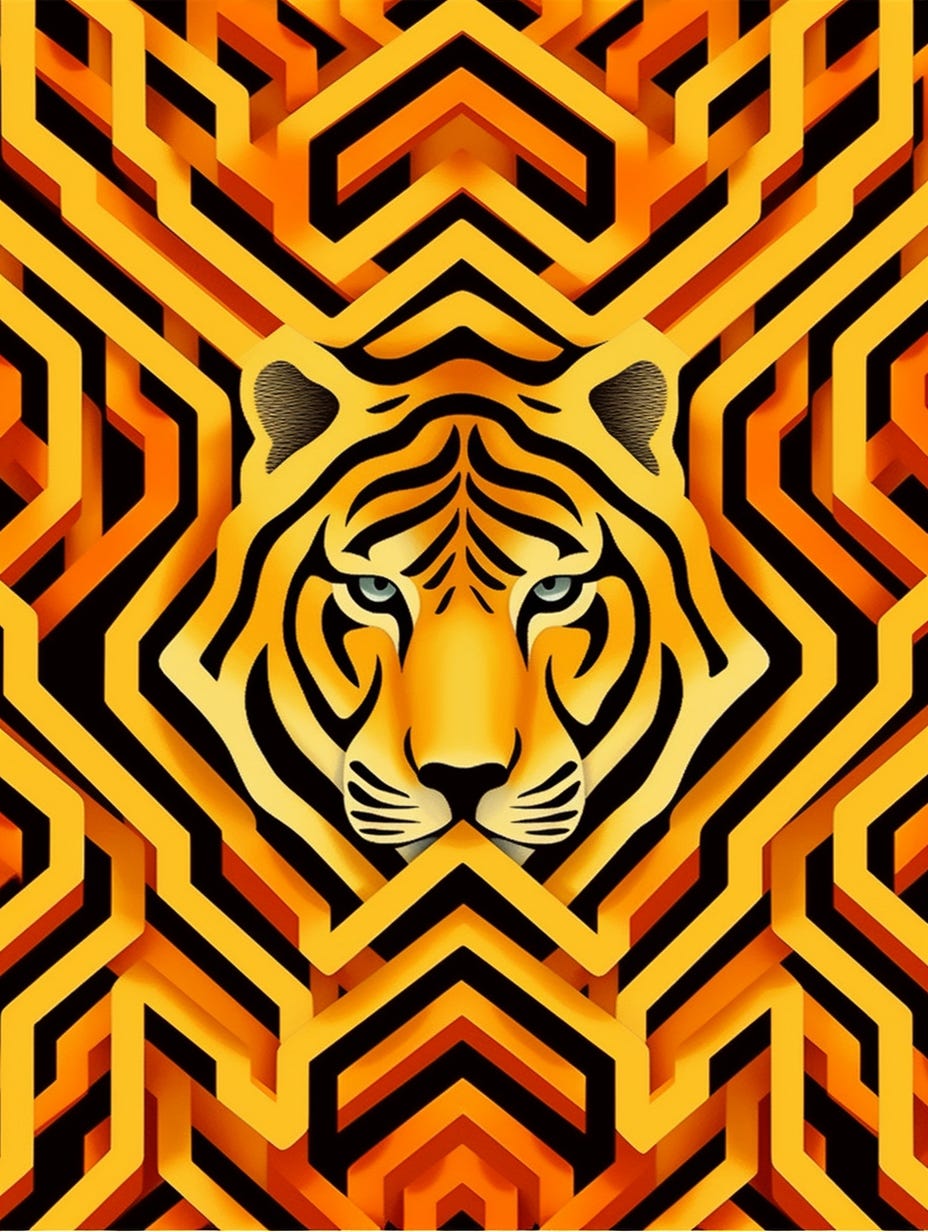

Victor Vasarely: Known as the father of Op Art, Vasarely's geometric patterns and vibrant color contrasts create mesmerizing optical illusions.
Bridget Riley: A pioneer in the Op Art movement, Riley's work features intricate patterns and contrasting colors that create dynamic visual effects.
M.C. Escher: Famous for his mathematically inspired art, Escher's impossible constructions and tessellations have significantly influenced the world of optical illusions.
Julian Stanczak: A key figure in the Op Art movement, Stanczak's use of color and form creates powerful visual experiences that play with perception.
Jesus Rafael Soto: Known for his kinetic art, Soto's works often incorporate optical illusions and movement, engaging viewers in a dynamic visual dialogue.
Yaacov Agam: A pioneer of kinetic art and Op Art, Agam's work incorporates movement and changing perspectives to create illusions that evolve with the viewer's position.
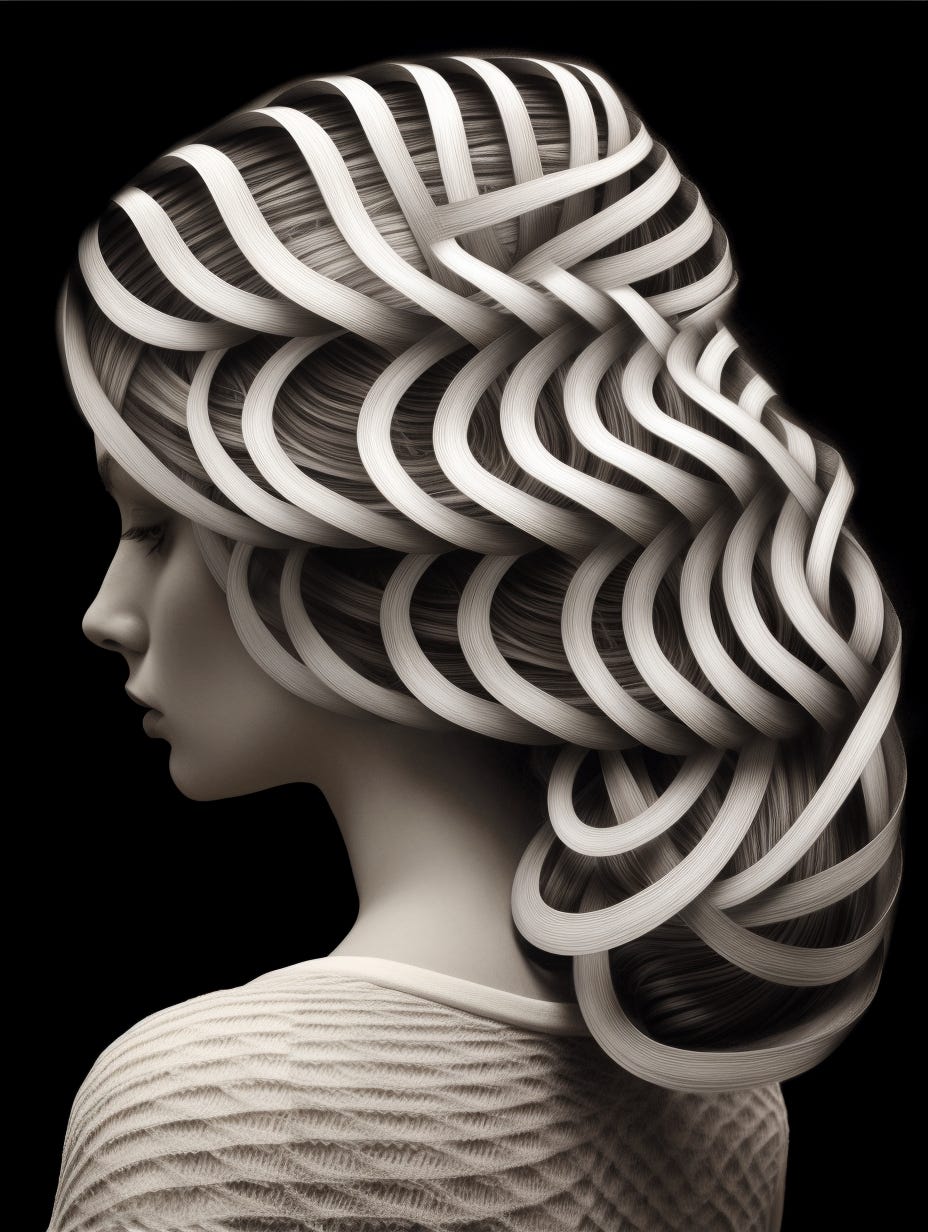
Op Art in the Digital Age
Imagine stepping into a room where the walls shift as you move, thanks to AR technology. The future of Op Art could literally walk around with you, turning your daily commute into a trippy trek through a living, breathing art exhibit.
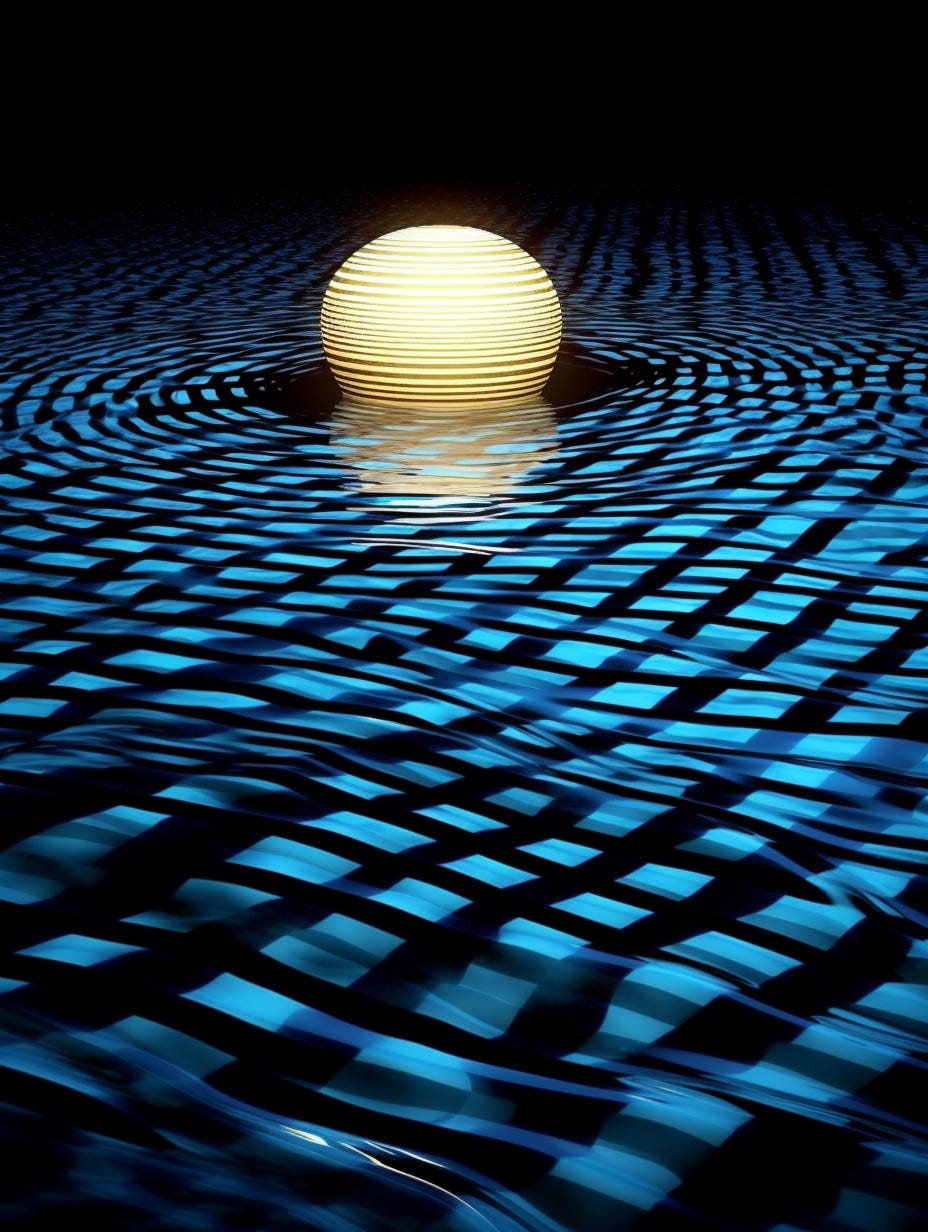
Keep Your Eyes Peeled and Your Mind Open
As we close our exploration of the eye-popping world of Optical Illusion Art, remember to keep looking beyond what you see. Op Art isn't just about what's on the surface; it's about peeling back the layers of perception and discovering new ways to view the world. So next time you come across a piece of Op Art, take a moment, take a breath, and let yourself be wonderfully, whimsically, and willingly bamboozled. Your brain might just thank you for the workout! ✌️