


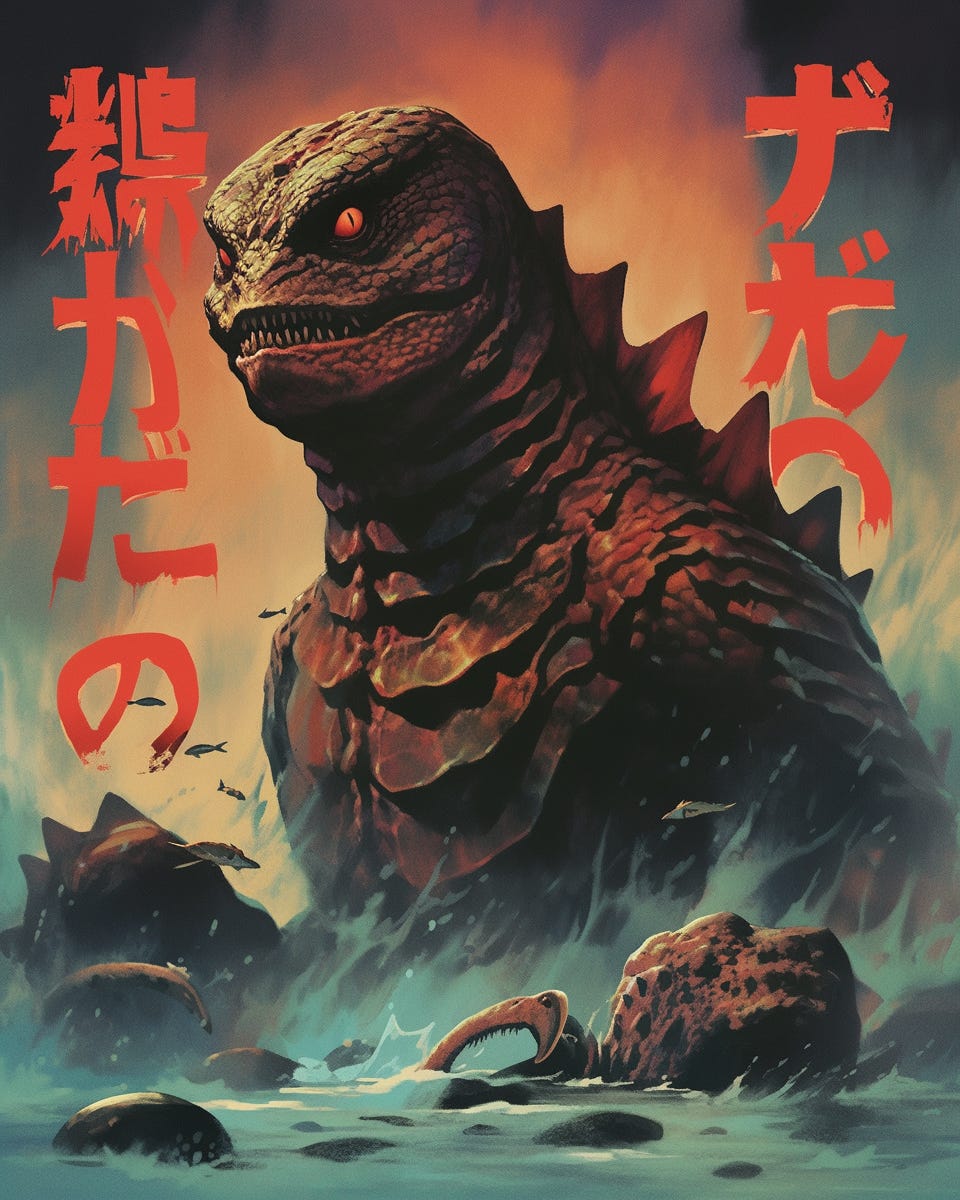
Midjourney v5.2 👆 Prompt: creature from the black lagoon, dramatic, danger, pulp art, hyper-realistic manga style, lurid, magazine cover imagery, dynamic composition --ar 80:100 --niji 5

Pulp Art became popular in the early to mid-20th century, primarily as cover art for pulp magazines. The art form is distinguished by its bright, saturated colors, exaggerated figures, and often sensational or romantic themes. It's highly evocative, aiming to capture a story's mood in a single, compelling image.

pulp, pulp-style, pulp comics, danger, pulp art, lurid, magazine cover imagery, dynamic composition, sensationalism, vivid colors, bold lines, exaggerated poses, daring themes, high-stakes drama, dramatic, retro, vintage, golden age, adventure, romance, heroism, expressive faces, high-contrast backgrounds, atmospheric lighting
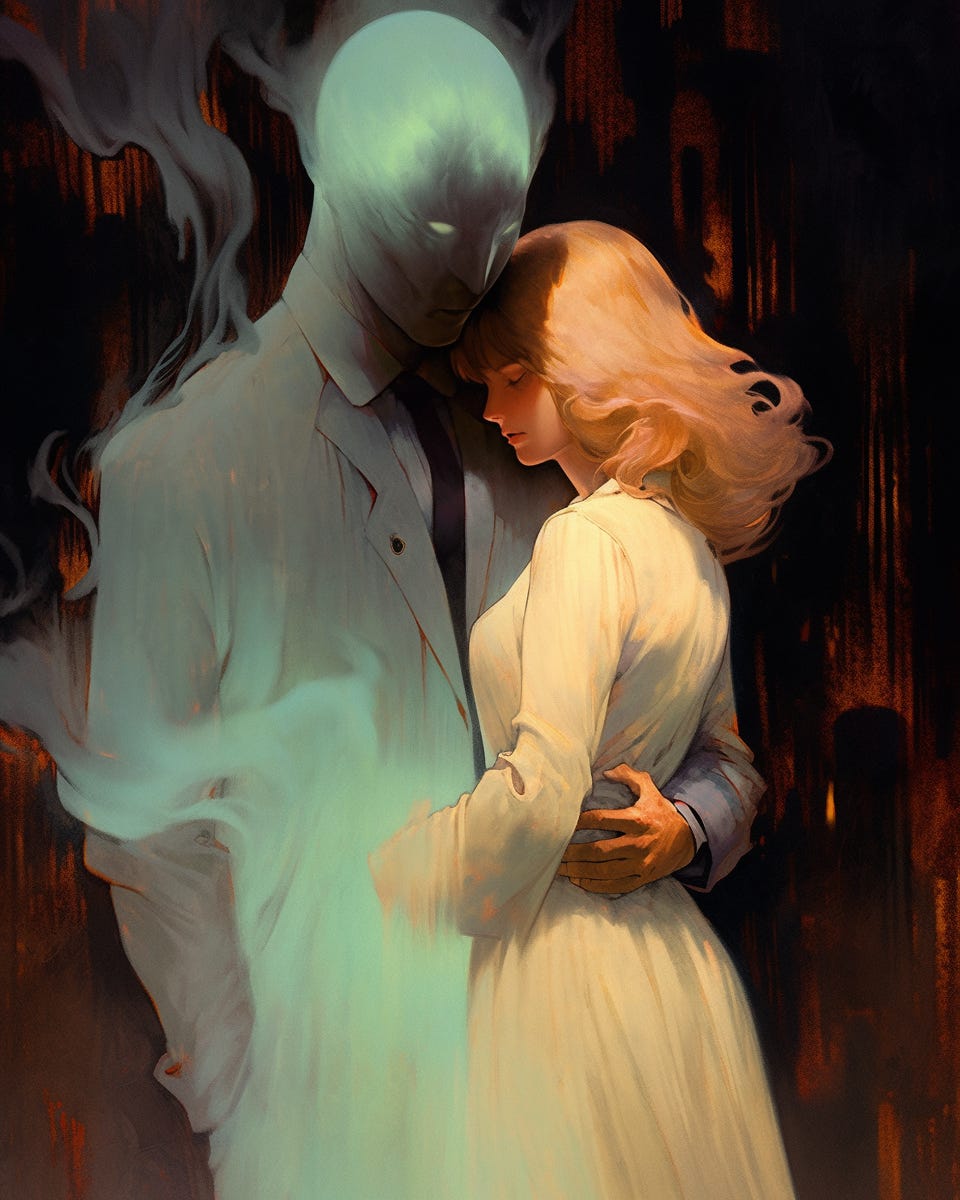
Midjourney v5.2 👆 Prompt: ghost lover, pulp comics, dramatic kiss, danger, pulp art, semi-realism, manga style, lurid, magazine cover imagery, dynamic composition --ar 80:100 --niji 5

Bright, saturated color palettes that attract attention.
Themes of adventure, danger, romance, and intrigue.
Dramatic poses and exaggerated physical features.
Art that often tells a story, aiming to evoke specific emotions or reactions.
Employed heavily in the publishing industry, particularly for book and magazine covers.

Pulp Art evolved as a unique style driven by the needs of the publishing industry, specifically pulp magazines. These magazines often featured lurid, sensational stories and required equally compelling cover art to attract readers. Pulp Art as a genre thrived during the first half of the 20th century and has influenced various modern art forms.
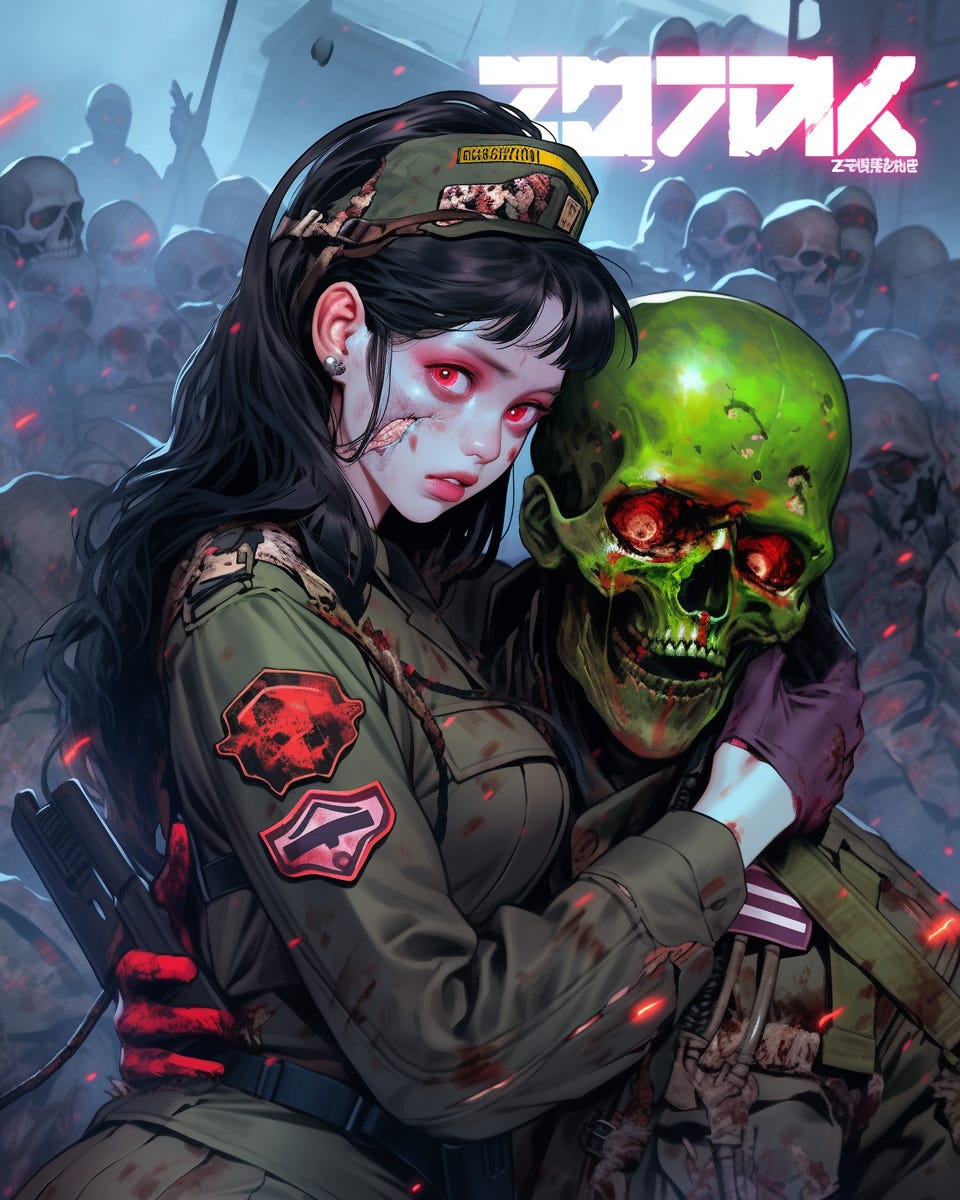
Midjourney v5.2 👆 Prompt: zombie soldiers, pulp comics, danger, pulp art, hyper-realistic manga style, lurid, magazine cover imagery, dynamic composition --ar 80:100 --niji 5

Norman Saunders (Known for his pulp and men's adventure magazine covers)
Margaret Brundage (Famed for her cover illustrations for "Weird Tales")
Virgil Finlay (Noted for his detailed pen-and-ink drawings)
H.J. Ward (A pioneering artist in the field of pulp magazine cover art)
Frank R. Paul (Known for his groundbreaking science fiction pulp covers)

Product Mockup Midjourney Keywords
I've put together a solid list of different types and styles of mockups you can create with Midjourney.
These aren't just random words; they're specific terms that help you tell Midjourney exactly what kind of mockup you want.
Remember, the more specific you are with your terms, the better AI image generators like Midjourney can turn your vision into a real mockup.
Let’s dive into this list:
Isometric View Mockup: A mockup shown in a 3D isometric perspective.
Flat-Lay Mockup: A mockup displaying the product from a bird's-eye view.
Packaging Mockup: Shows how the design will look on product packaging, often in 3D.
Shadowed Mockup: Incorporates shadows to give the product depth and realism.
Floating Object Mockup: Shows the product or design element as if it were floating in space.
Screen Mockup: Typically used for software products, shows the user interface on various devices like smartphones, tablets, and laptops.
Folded Design Mockup: Shows how a design will appear when printed on a folded medium like brochures, greeting cards, or t-shirts.
Hands-On Mockup: Includes human elements, like hands holding the product, to give it context and scale.
In-Situ Mockup: Places the product in a real-world setting or environment.
Multi-layered Mockup: Allows for various design elements to be interchanged or manipulated independently.
Skeuomorphic Mockup: Mimics real-world materials and textures in a digital setting.
Lifestyle Mockup: Incorporates the product into a lifestyle setting to show how it would be used in day-to-day life.
Anatomical Cut-Away: Reveals the interior structure or components of the product.
Exploded View Mockup: Shows all parts of a product separately but arranged in a way that indicates their relationship within the assembly.
Scaled-Down Mockup: A miniature representation of the product, typically for large items like buildings or vehicles.
Virtual Reality (VR) Mockup: Designed to be viewed in a 3D virtual environment.
Sectional Mockup: Shows a cross-section of the product, highlighting internal elements.
Material-Specific Mockup: Highlights the materials to be used in the final product, such as glass, metal, or fabric.
Wear-and-Tear Mockup: Shows the product as it would look after extended use, often to emphasize durability.
Minimalistic Mockup: Focuses on simplicity, usually with a limited color scheme and straightforward design.
Multi-Device Mockup: Displays the product or application interface across various devices like smartphones, tablets, and desktops simultaneously.
Eco-Friendly Mockup: Highlights the environmental aspects of the product, often using green colors or recycled materials.
Outdoor Mockup: Places the product in an outdoor setting, such as a billboard or street advertisement.
Retail Shelf Mockup: Shows how the product would look on a retail shelf among other products.
Interactive Mockup: Features clickable elements or interactive layers, often used for web or app design presentations.
Seasonal Mockup: Themed for a particular season or holiday, such as Christmas, Halloween, or Summer.
Monochrome Mockup: Uses a single color or various shades of a single color for design emphasis.
Overlay Mockup: Layering graphical elements over the product, often used for branding or labelling.
Product Bundle Mockup: Displays multiple products together, often as a packaged deal or kit.
Abstract Mockup: Uses non-traditional, abstract forms to showcase the product or design.
Grid-Based Mockup: Organizes elements according to a grid for symmetrical or asymmetrical layouts.
Lighting-Focused Mockup: Highlights the effects of lighting conditions on the product, such as daylight, sunset, or studio lighting.
Close-Up Mockup: A detailed, zoomed-in view of specific features or components of the product.
Double Exposure Mockup: Incorporates two different images or design elements into a single cohesive design.
Front-and-Back Mockup: Shows both the front and back sides of a product, useful for apparel and print designs.
Nostalgic or Retro Mockup: Mimics styles or trends from past decades.
Mood-Board Mockup: Showcases the design alongside a variety of inspirational or thematic elements.
Bokeh Effect Mockup: Incorporates a blurry or bokeh background to focus attention on the product.
Dynamic Mockup: Shows the product in motion or in use, often used for sports gear, vehicles, or functional gadgets.
Customizable Mockup: Allows easy manipulation of various elements like color, text, or components for a personalized look. (this one may not work so well in Midjourney, but good to know the name anyway)
I like the new section of tips for profesional prompters. Very helpful!