


Trashy.
Timeless.
Aright, let’s get into this lurid, lowbrow, and downright delightful world of pulp comics, shall we? Imagine a universe where damsels are always in distress, heroes never skip leg day, and villains twirl their mustaches with a good ol’ sinister “MWAHAHA!” Welcome to Pulp Comics, where the art is cheap, the stories are cheesy, and the freaky gets creepy. Grab yer trench coat, let’s solve some mysteries and save some mistresses!

Cheap Thrills for the Masses
Back in the early 20th century, when people craved cheap entertainment that didn’t involve staring at a wall, pulp magazines burst onto the scene. These dime-store delights were printed on the cheapest paper imaginable, hence the term “pulp.” They were packed with sensational stories of hard-boiled detectives, sultry sirens, and dastardly villains. It was like reality TV, but on paper and with MUCH better dialogue.

The Birth of Pulp Art
Pulp comics followed soon after, combining the lurid storytelling of pulp magazines with eye-popping visuals. Artists like Frank R. Paul and Norman Saunders turned pulp covers into a lurid symphony of exaggerated action and dramatic tension. The art was all about grabbing your attention—and your loose change—with garish colors, sensational scenes, and a not-so-subtle hint of scandal.


Trigger Tokens
pulp,
pulp-style,
pulp comics,
danger,
pulp art,
lurid,
pulp comics cover,
magazine cover imagery,
dynamic composition,
sensationalism,
vivid colors,
bold colors,
bold lines,
exaggerated poses,
exaggerated features,
daring themes,
high-stakes drama,
dramatic,
retro,
retro aesthetic,
adventure,
romance,
heroic,
expressive faces,
high-contrast backgrounds,
high-contrast,
atmospheric lighting,
textured brushwork,
damsel in distress,
Superheroes, Space Adventures, and Spies
As the 1930s rolled around, pulp comics evolved, giving birth to the superheroes we know and love today. Superman, Batman, and Wonder Woman all owe a debt to the pulpy pioneers who paved the way. These comics combined the over-the-top drama of pulp stories with a new breed of heroism that was larger than life. They fought crime, saved the world, and always found time to deliver a snappy one-liner.
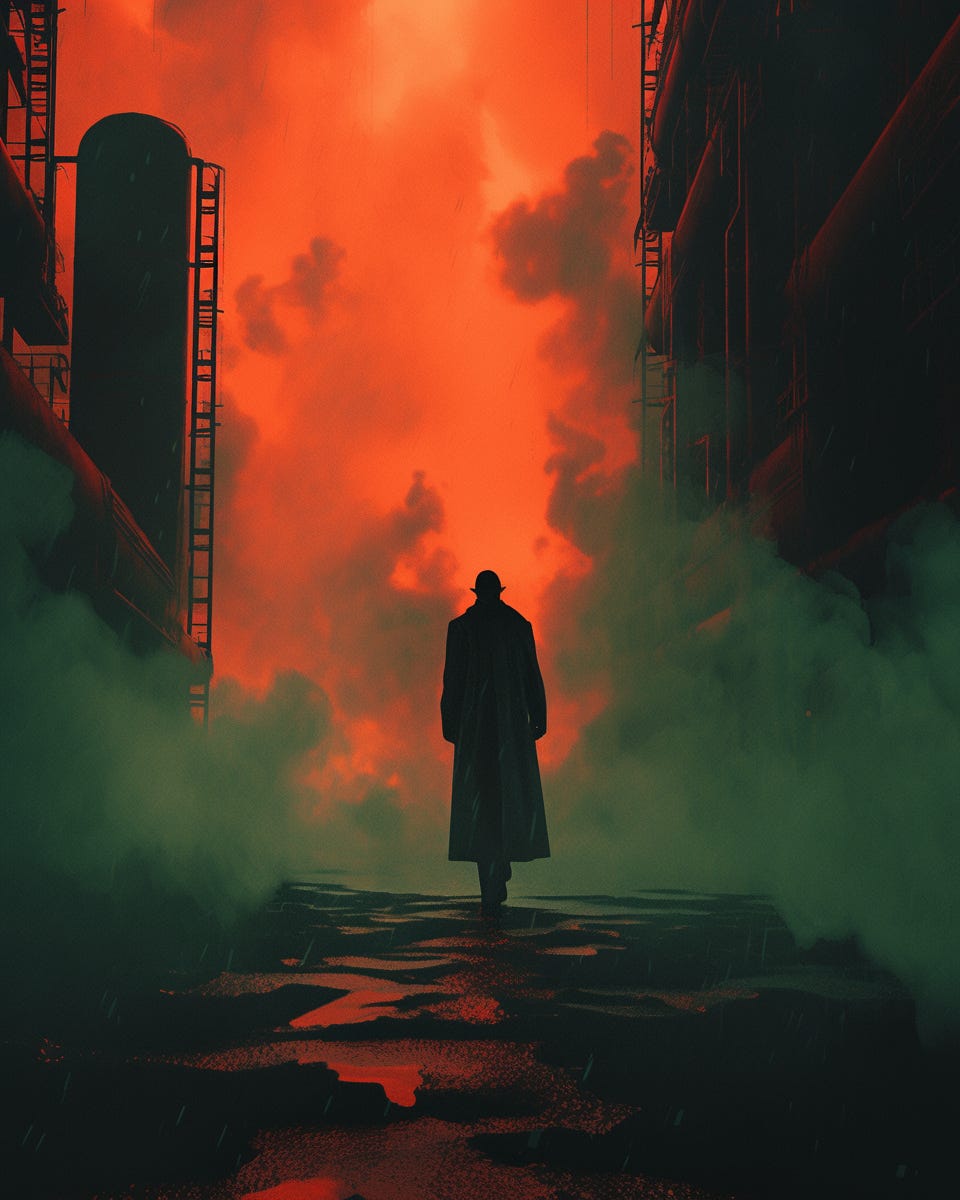

Bold Colors: Vivid, eye-catching colors that grab attention.
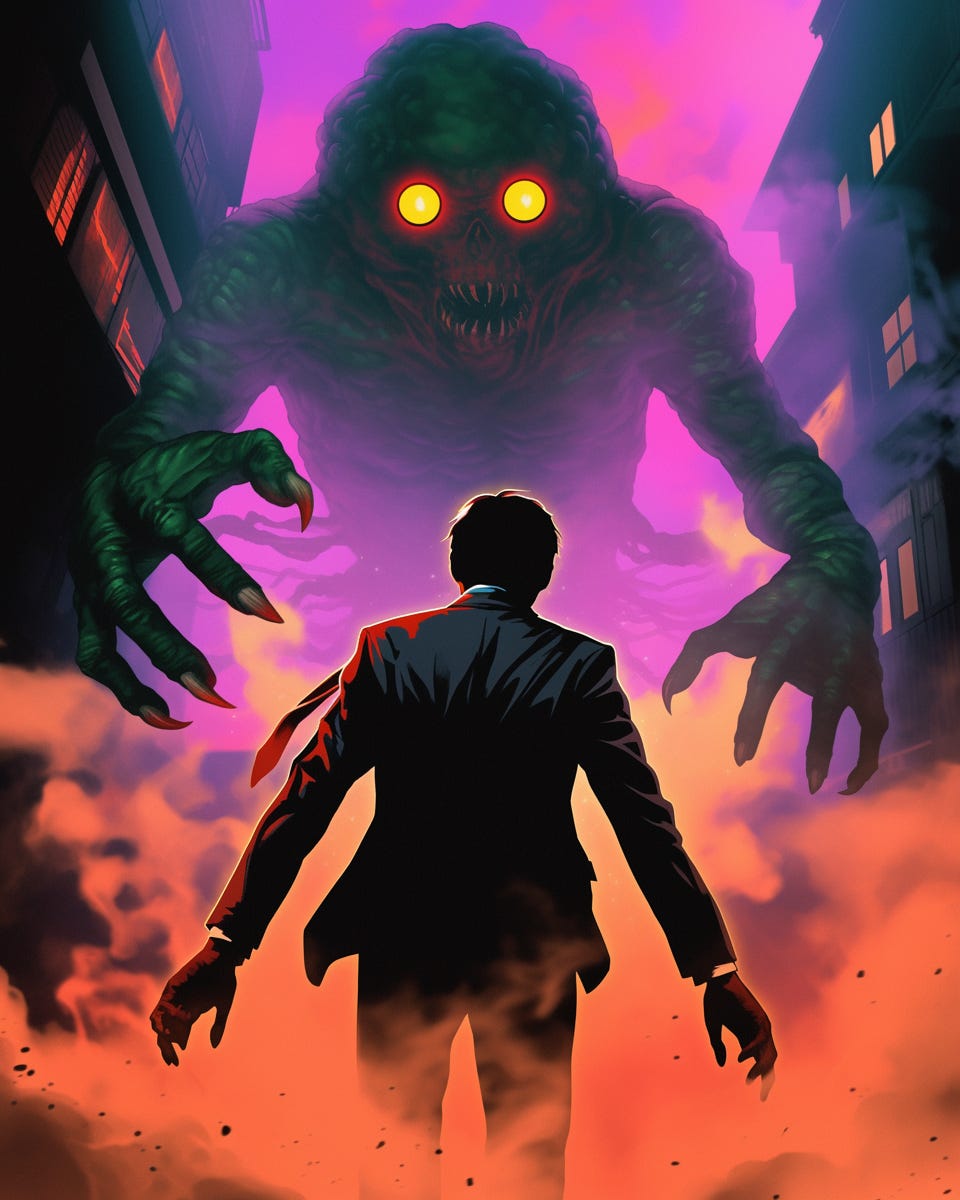
Dynamic Compositions: Action-packed and dramatic scenes that convey movement.
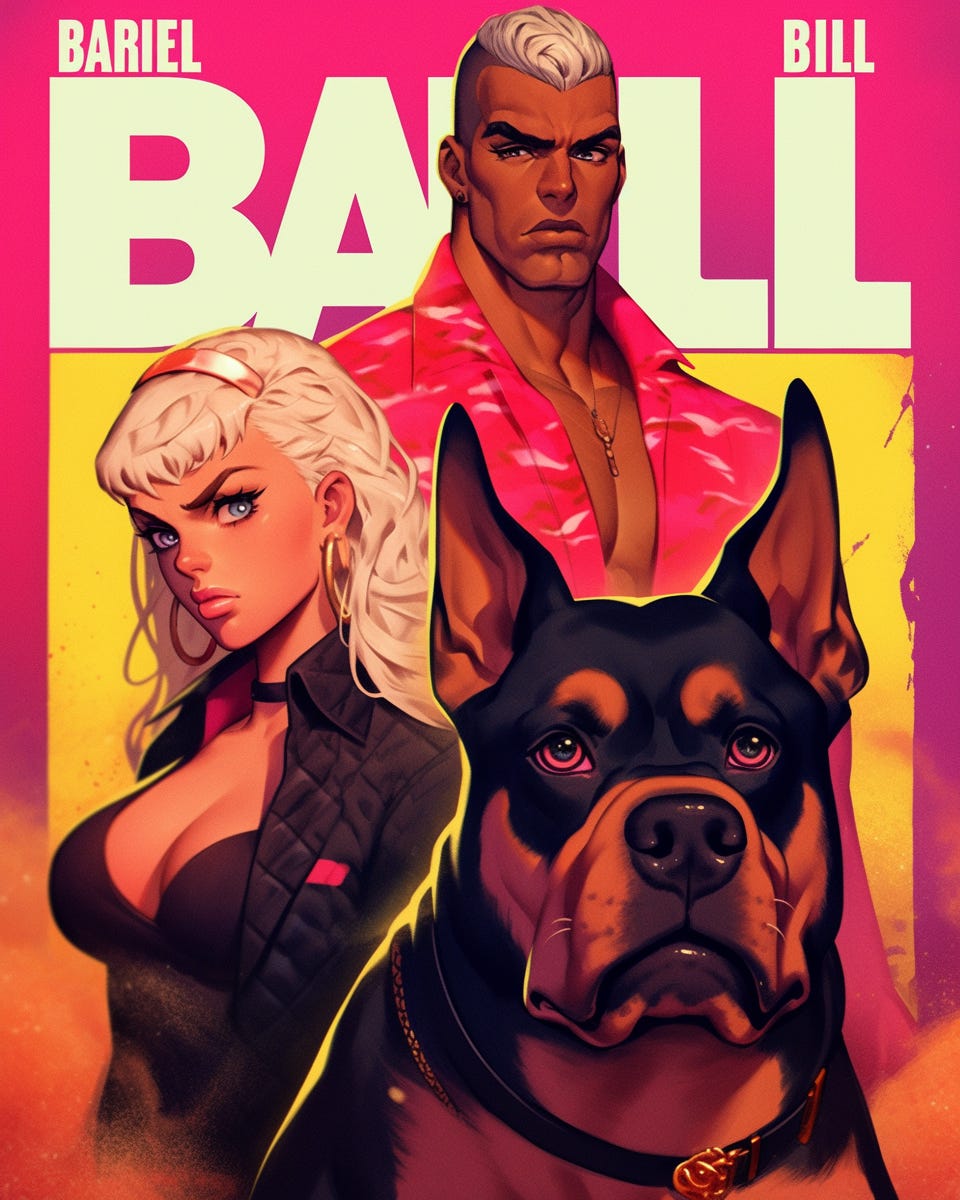
Exaggerated Features: Stylized and often exaggerated anatomy and expressions.
High Contrast: Strong contrasts between light and dark to create dramatic effects.
Sensational Themes: Exciting and often sensational subject matter, including adventure, crime, and science fiction.
Textured Brushwork: Visible brushstrokes that add texture and depth to the artwork.
Heroic Figures: Depictions of strong, often idealized protagonists.
Damsels in Distress: Frequent inclusion of women in perilous situations, reflecting the era's tropes.
Futuristic Elements: Science fiction themes with futuristic technology and settings.
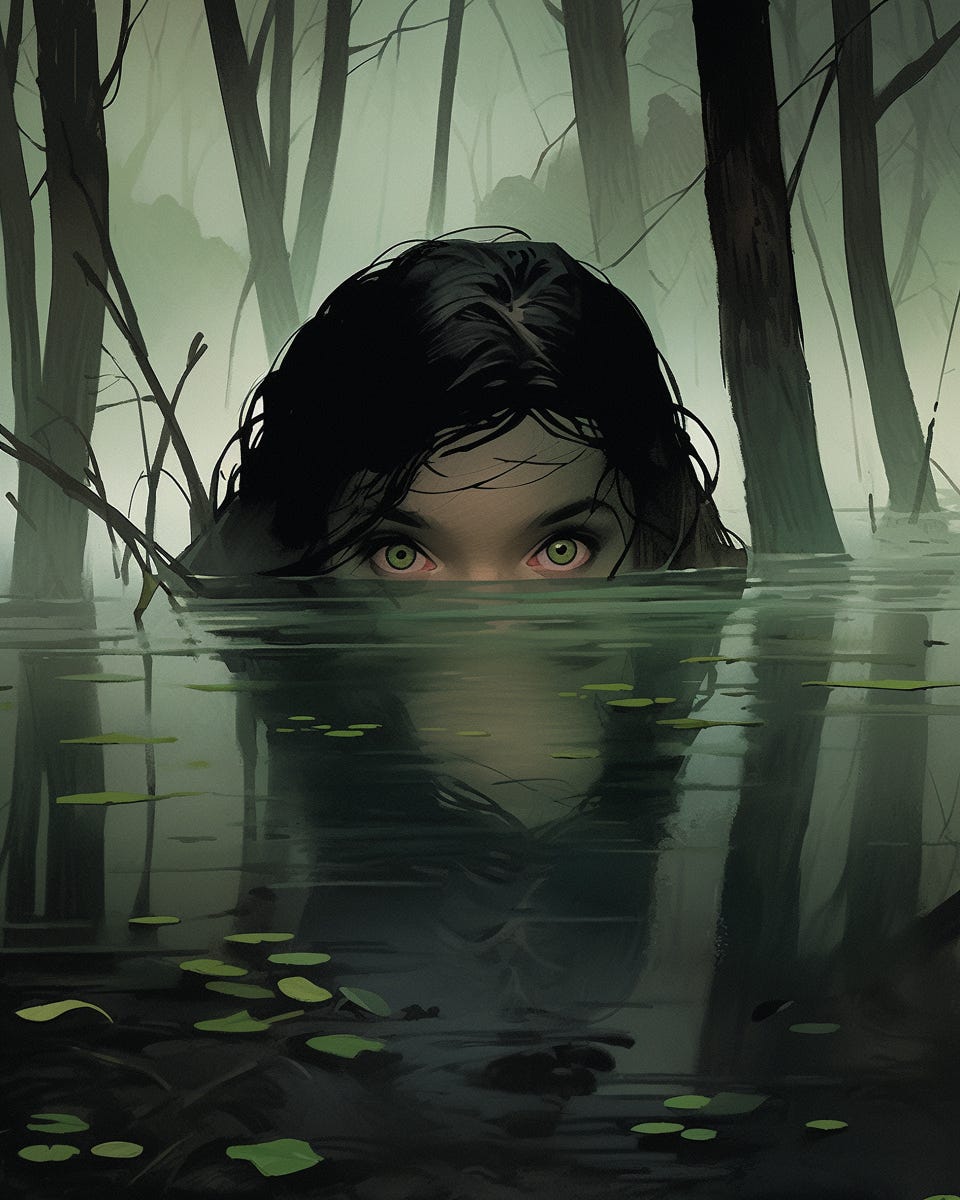
Mystery and Horror: Elements of mystery, suspense, and horror, often with eerie or supernatural themes.
Retro Aesthetic: Nostalgic, vintage style that evokes the early 20th century.
Narrative Scenes: Artwork that tells a story, often with a sense of urgency or danger.
Detailed Backgrounds: Richly detailed settings that add context and atmosphere to the scenes.
Noir and Sci-Fi: Pulp Gets a Makeover
But it wasn’t all capes and tights. Pulp comics also dabbled in noir and sci-fi, genres that let artists and writers go wild with creativity. Noir pulps brought us gritty detectives like Sam Spade and Philip Marlowe, navigating dark alleyways and even darker morals. Meanwhile, sci-fi pulps took readers to the far reaches of space, where bug-eyed monsters and ray-gun-wielding heroes battled it out on alien worlds.

Cultural Icons in Cheap Paperbacks
Pulp comics didn’t just entertain—they shaped pop culture. The characters and stories from these cheap little books left a lasting impression, influencing everything from movies and TV shows to video games and modern graphic novels. Think of any iconic hero or villain, and chances are, they have a pulp ancestor lurking in their family tree.


Frank R. Paul: Known as the "father of science fiction art," Paul's vibrant and imaginative covers for pulp magazines defined the visual style of the genre.
Norman Saunders: A prolific pulp artist, Saunders created dynamic and colorful covers for detective, science fiction, and adventure magazines.
Virgil Finlay: Renowned for his intricate black-and-white illustrations, Finlay's work is characterized by meticulous detail and dramatic compositions.
H.J. Ward: Known for his sensational and eye-catching covers, Ward's art often featured bold colors and dramatic scenes.
Earle K. Bergey: Bergey's work is famous for its glamorous and adventurous depictions of futuristic and fantastical subjects.
Margaret Brundage: As one of the few female pulp artists, Brundage's covers for "Weird Tales" are notable for their striking and provocative imagery.

Guilty Pleasures
Despite—or maybe because of—their trashy nature, pulp comics are beloved by collectors and fans. They’re a guilty pleasure, a reminder that sometimes, lowbrow art is the most fun. The lurid covers and sensational stories are a throwback to a time when entertainment was simpler, and nobody cared if the plot had more holes than Swiss cheese.
Retro Revival
Today, pulp comics are enjoying a retro revival. Artists and writers are drawing inspiration from the pulpy past, creating works that pay homage to the golden age of cheap thrills. Whether it’s a modern noir comic or a sci-fi adventure with a vintage twist, the spirit of pulp is alive and well. It’s like a comfort food for the imagination—greasy, satisfying, and totally irresistible.
Pulp Lives On
From their cheap paper beginnings to their enduring influence on pop culture, pulp comics prove that sometimes the best art comes wrapped in the lowest-brow packaging. Next time you pick up a comic book, remember the pulpy pioneers who made it all possible. And don’t feel guilty if you find yourself lost in a trashy tale of adventure, romance, or horror—after all, pulp is all about indulging in the deliciously lowbrow. Cheers to the cheap thrills ✌️