


From Japan
With Love!
Superflat was born in Japan, thanks to the artistic genius Takashi Murakami. In the late 1990s, Murakami decided that art needed less depth and more punch. Combining traditional Japanese art with the loud, flashy world of anime and manga, he created Superflat—a style that’s flatter than the Earth according to some weird uncle on Facebook.

Murakami, The Master of Flat
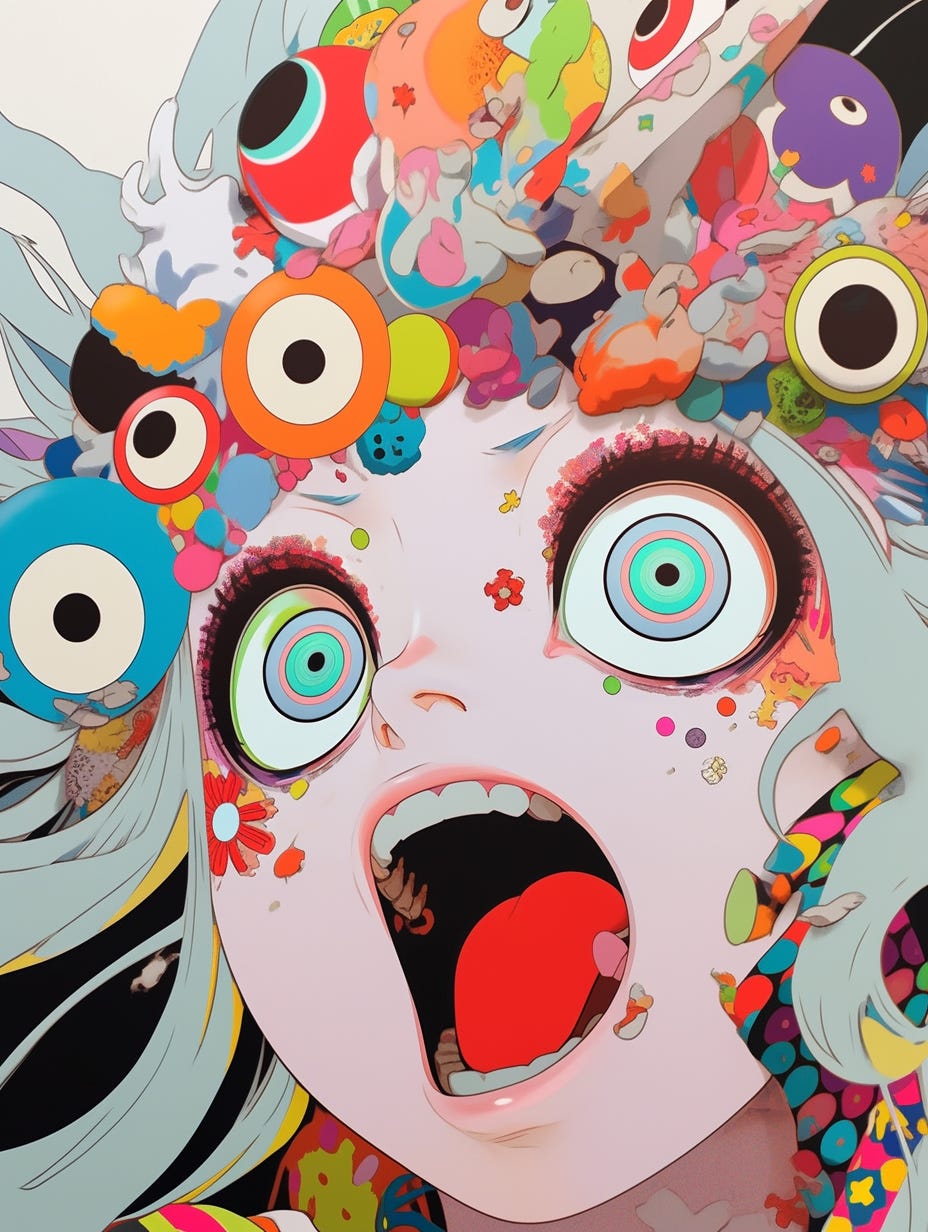
Takashi Murakami is the mastermind behind this flat-out crazy movement. His works are like a sugar rush for your eyeballs, filled with bright colors, bold lines, and characters that look like they escaped from a Saturday morning cartoon. But don’t let the cutesy facade fool you—there’s a sharp critique of consumer culture hiding behind those giant anime eyes.

Flat Art Goes High Fashion
As Superflat caught on, it went from the galleries of Tokyo to the runways of Paris. Murakami’s collaboration with Louis Vuitton in 2002 brought Superflat into the world of high fashion, proving that even flat art can make your wallet a whole lot flatter. Suddenly, handbags became canvases, and Superflat was strutting down the catwalk, turning luxury goods into colorful, overpriced doodles.


Trigger Tokens
superflat,
superflat-style,
bold outlines,
flat colors,
surreal imagery,
anime influence,
bright colors,
Takashi Murakami,
manga-inspired,
anime-inspired,
pop-culture,
high-culture,
whimsical,
postmodern,
vibrant kawaii,
Japanese contemporary art,
consumer culture,
consumerism,
Pop Culture Invasion
Superflat didn’t stop at fashion. It invaded every corner of pop culture like a particularly persistent anime character. Album covers, animated series, video games—you name it, Superflat splashed its vibrant colors all over it. It’s like the artistic equivalent of glitter: once it’s out there, good luck getting rid of it.
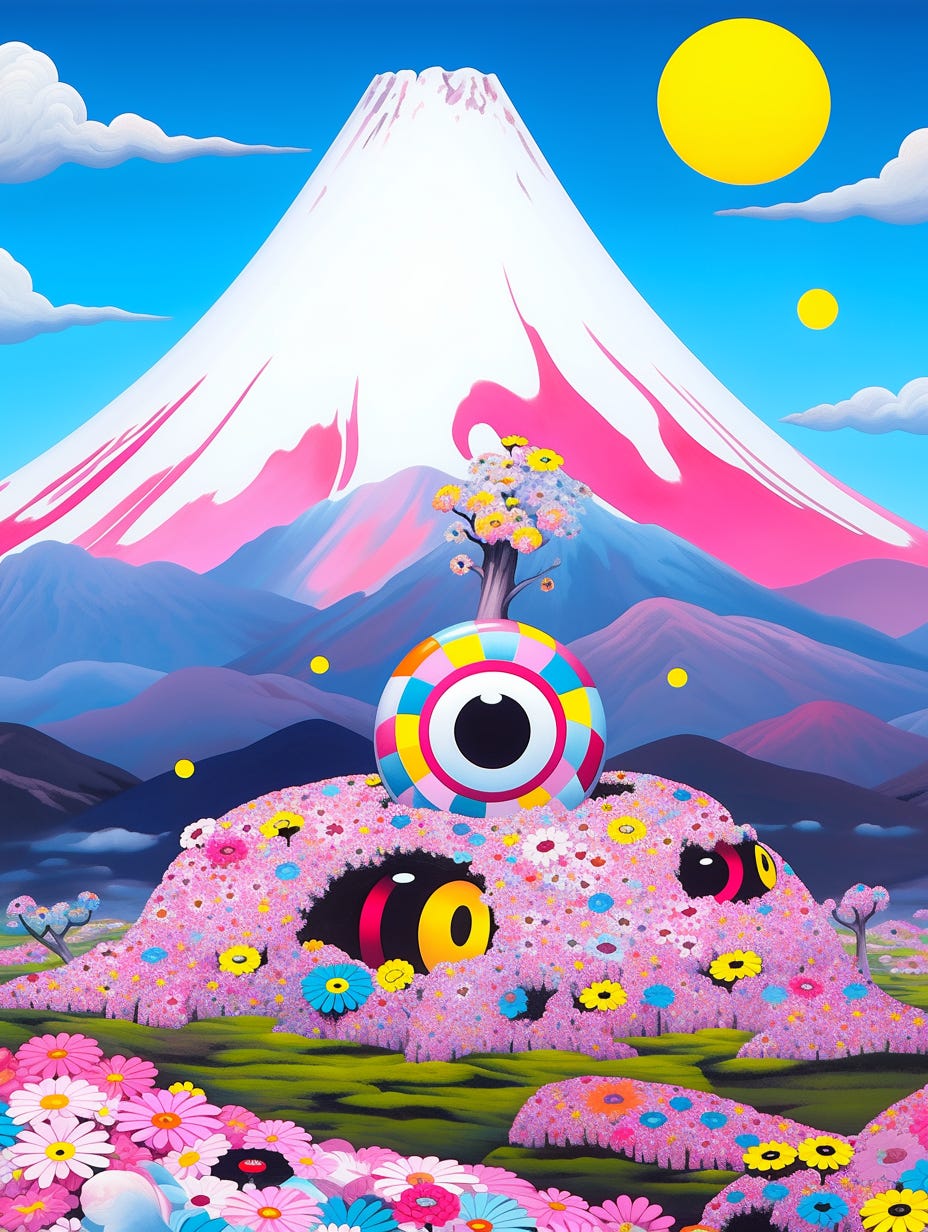

Flat Colors: Use of vibrant, unshaded colors that lack depth and create a two-dimensional effect.
Bold Outlines: Strong, clear lines that define shapes and figures.
Pop Culture References: Incorporation of elements from anime, manga, and other facets of popular culture.
Mix of Traditional and Modern: Blending of traditional Japanese art techniques with contemporary themes.
Surreal Imagery: Dreamlike and fantastical elements that often challenge reality.
Anime and Manga Influence: Strong stylistic influences from Japanese anime and manga.
Bright, Vibrant Colors: A palette that emphasizes lively and eye-catching hues.
Repetitive Patterns: Use of repeated motifs and patterns to create a sense of uniformity.
Simplified Forms: Reduction of objects and figures to their most basic shapes and forms.
Commercial and Fine Art Fusion: Blurring the lines between high art and commercial art.
Playful and Whimsical: A lighthearted and often humorous approach to subject matter.
Surface-Level Depth: Visuals that emphasize surface appeal over realistic depth.
Cultural Commentary: Often includes critiques or reflections on contemporary culture and society.
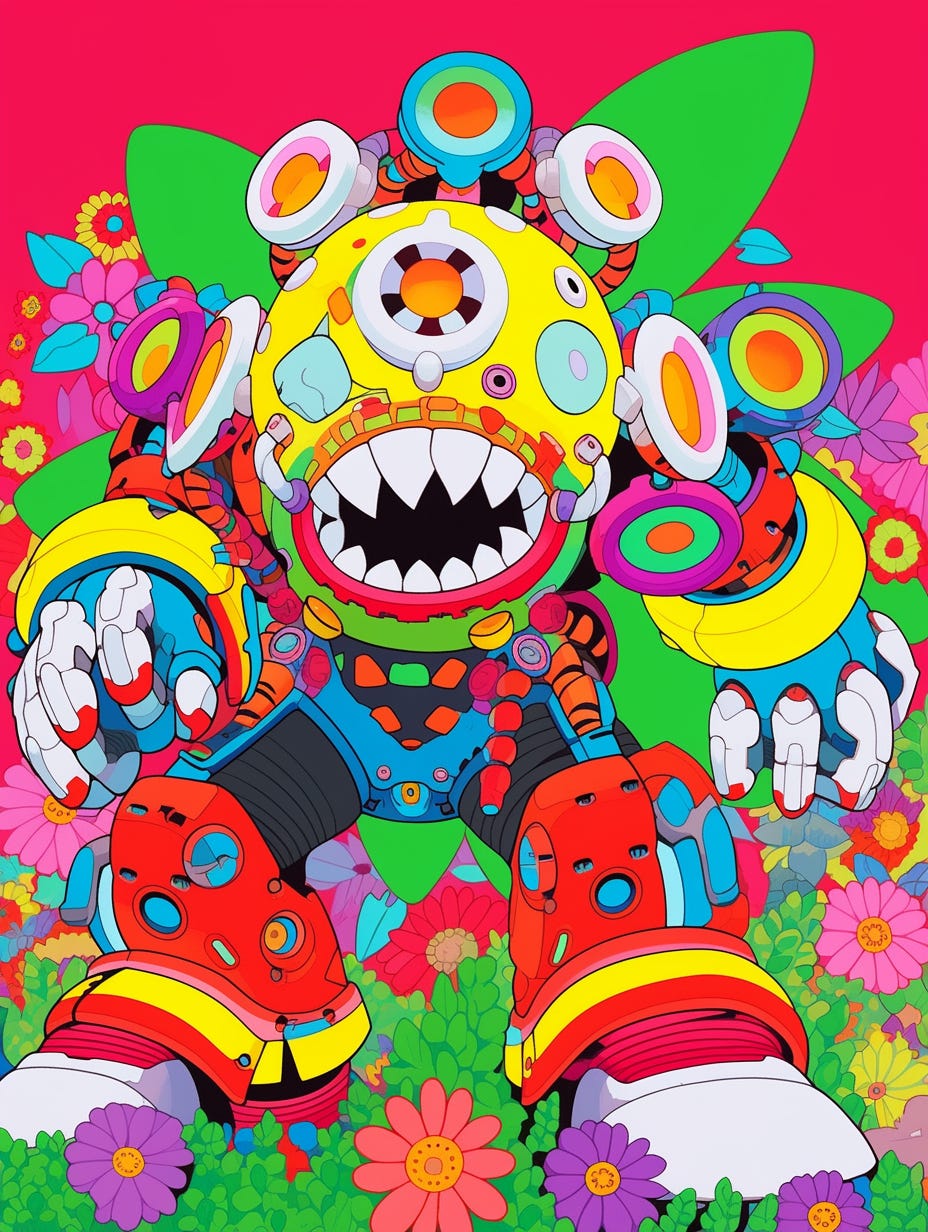
Art Meets Commerce in a Flat Frenzy
At its core, Superflat is more than just a visual style; it’s a commentary on our flat-out obsession with consumer culture. By blending high and low art into one colorful mess, Murakami and his fellow Superflat artists remind us that the line between art and advertisement is as thin as a piece of rice paper. It’s like they’re saying, “Yes, it’s all flat and superficial—now buy this $3,000 handbag.”
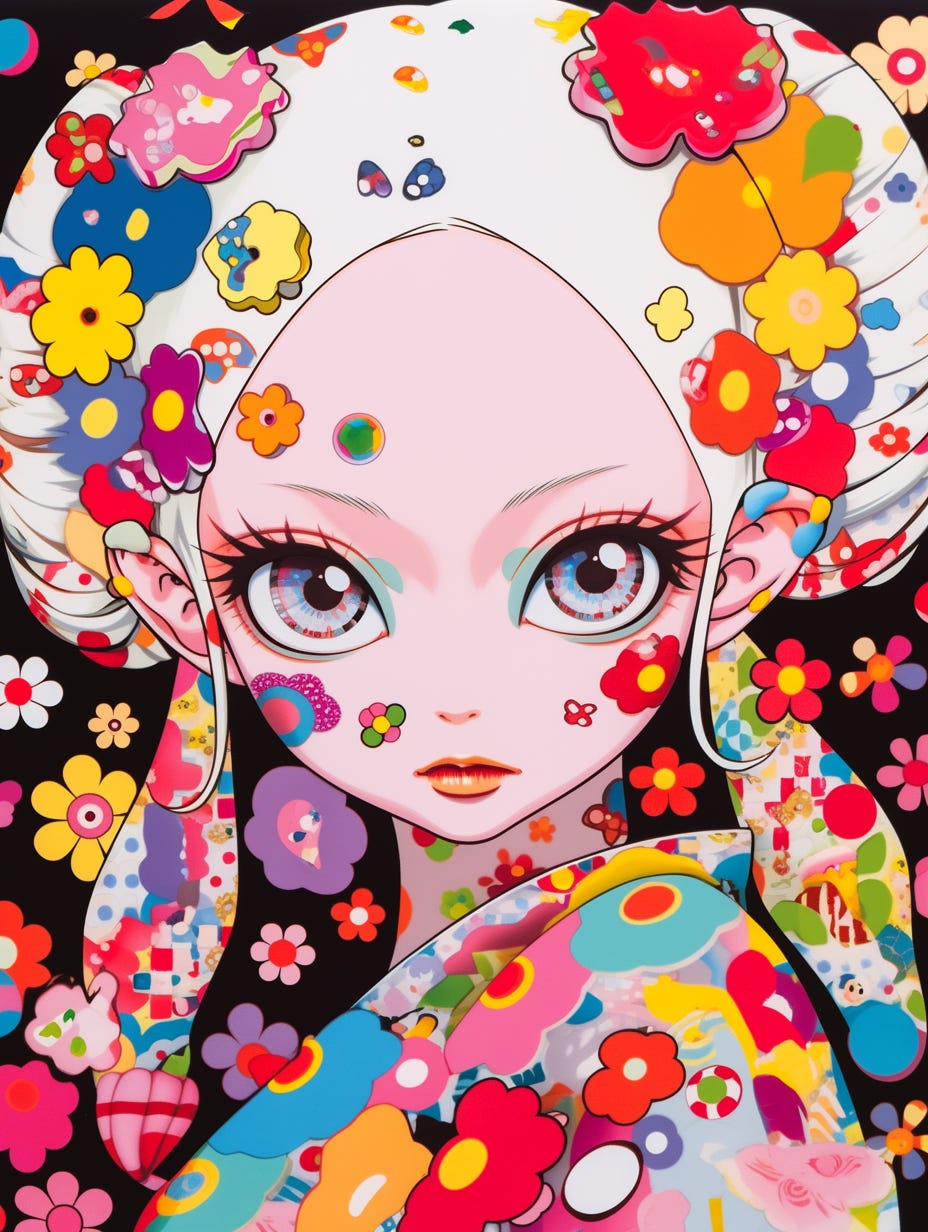
East Meets West in Flat Harmony
Superflat has also managed to bridge the gap between Eastern and Western art traditions in a way that’s flatter than Kansas. By mixing Japanese pop culture with Western influences, Superflat creates an aesthetic that’s globally appealing and just a bit confusing. It’s like sushi and hamburgers on the same plate—odd, but somehow it works.


Takashi Murakami: The founder of the Superflat movement, Murakami's work blends traditional Japanese art with contemporary pop culture, characterized by its bright colors and flat, two-dimensional style.
Yoshitomo Nara: Known for his paintings of wide-eyed children and animals, Nara's work often conveys a sense of innocence mixed with rebelliousness.
Aya Takano: A member of Murakami’s Kaikai Kiki collective, Takano's work often features futuristic, erotic, and dreamlike themes with a distinctively flat and colorful style.
Chiho Aoshima: A digital artist associated with the Superflat movement, Aoshima's works are known for their fantastical landscapes and surreal imagery.
Mr. (Masakatsu Iwamoto): Another artist from the Kaikai Kiki collective, Mr.’s work often explores themes of otaku culture, blending anime and manga influences with a Superflat aesthetic.
Takeshi Murata: Known for his digital animations and videos, Murata's work often plays with the boundaries between the digital and physical worlds, employing a Superflat style.
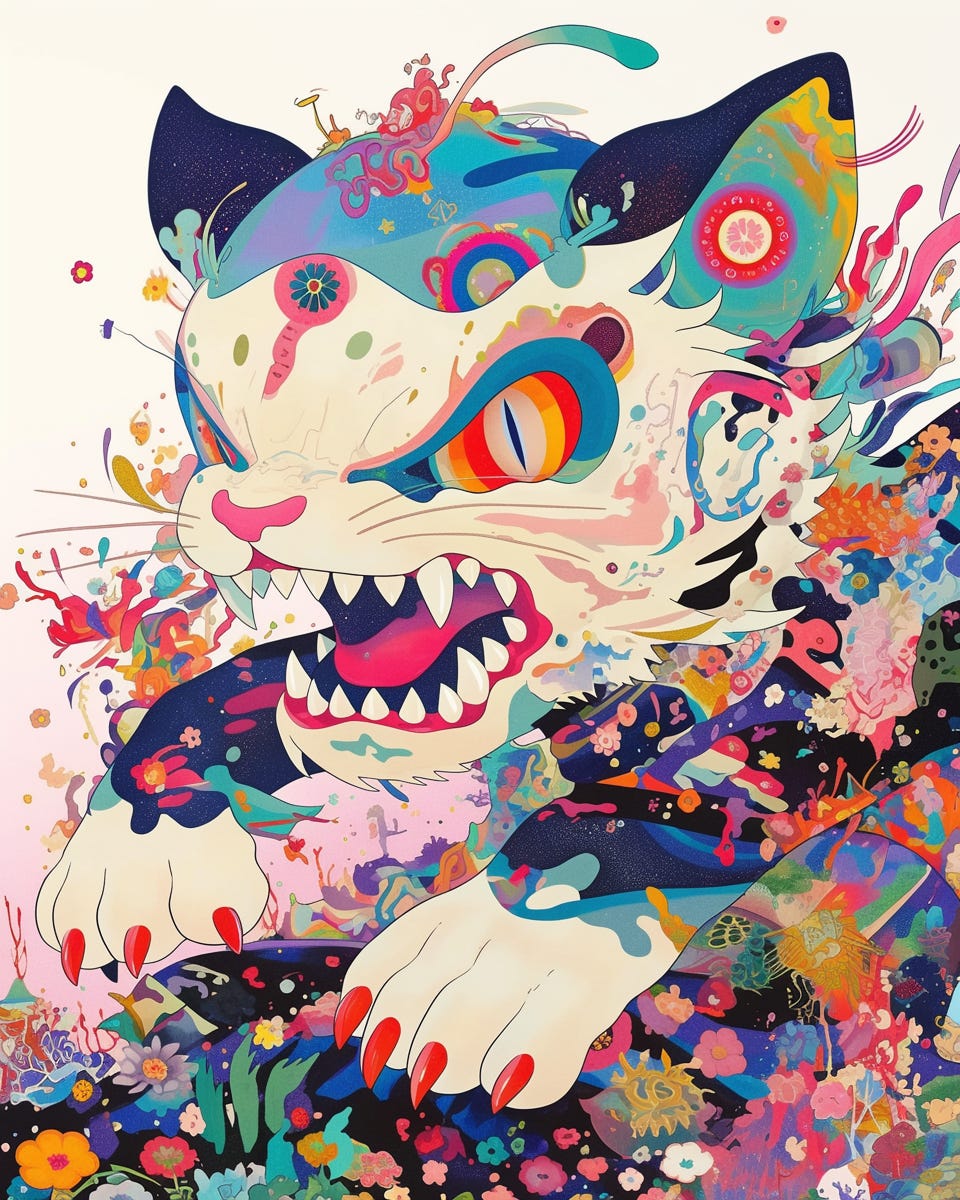
Superflat in the Modern World
Today, Superflat is as vibrant and relevant as ever. Murakami continues to churn out works that are as flat as they are fabulous, while new artists are taking the Superflat baton and running with it. From digital art to street murals, the flat, bold look of Superflat is everywhere, proving that sometimes, less really is more.
Flat is Back!
From its colorful beginnings in Japan to its global impact, Superflat proves that art doesn’t need depth to be deep, inviting us to embrace the superficial and find meaning in the meaningless. So tip your hat to Superflat and Takashi Murakami for flat-out smashing the contemporary art scene with this movement✌️