


Making Boring Things
Look Complicated
Hey there, detail-oriented folks and lovers of precision! Ready to dive into the world of technical drawings, where lines, angles, and measurements are sexier than a supermodel's Instagram feed? These drawings are the unsung heroes of the design world, turning the mundane into the meticulously mapped. So, grab your compasses and protractors as we embark on this thrilling journey through the world of technical drawings. Get ready to be blown away by the sheer boredom!

When Doodling Got Serious
Once upon a time, humans drew on cave walls with sticks. Fast forward a few millennia, and they figured out how to draw things that actually made sense. Welcome to the Renaissance, when guys like Leonardo da Vinci decided that drawing pretty pictures wasn't enough. They had to go and make things complicated. Enter technical drawings: the art of turning simple ideas into something only a handful of nerds could understand.

Leonardo and His Crazy Contraptions
Leonardo da Vinci wasn’t just about painting Mona Lisa’s enigmatic smile; he was also busy sketching helicopters, tanks, and other crazy inventions that looked like they came straight out of a steampunk fever dream. These drawings were as precise as they were puzzling, laying the groundwork for what we now call technical drawings. Thanks, Leo, for making doodling way more stressful.


Tag-Style Trigger Tokens (V5)
technical drawing,
tech-drawing,
engineering drawing,
technical blueprint,
schematic diagram,
schematics,
exploded view,
cross-section,
precision drawing,
orthographic projection,
isometric projection,
clean lines,
mechanical drawing,
mechanical sketch,
grid systems design,
Story-Style Trigger Tokens (V6)
A technical drawing style blueprint of [subject],
a precise annotated technical drawing of [subject],
orthographic projection showing multiple views of [subject],
isometric projection in technical illustration of [subject],
cross-sections revealing internal structures of [subject],
exploded view of mechanical components,
technical drawing of [subject] with material indications,
When Technical Drawings Went Digital
As the Industrial Revolution rolled in, technical drawings became the backbone of engineering and architecture. Picture this: a bunch of guys in top hats and monocles, hunched over drafting tables, meticulously drawing every nut and bolt of the latest steam engine. These drawings were the blueprints of progress, and if you didn’t have one, you were basically a nobody in the industrial world.


Precision and Accuracy: Exact measurements and details to ensure clarity and functionality.
Orthographic Projection: Multi-view drawings showing different angles of an object.
Isometric Projection: 3D representations without perspective distortion.
Detailed Annotations: Notes and labels explaining parts and measurements.
Clean Lines: Crisp, straight lines for a clear and professional appearance.
Scalable Dimensions: Drawings that can be scaled without losing detail.
Cross-Sections: Internal views showing the inner structure of an object.
Exploded Views: Illustrations showing the components of an object separated but in relation to each other.
Perspective Drawing: Use of vanishing points to create depth and realism.
Material Indications: Symbols and notations specifying materials used.
Grid Systems: Utilization of grids for proportional accuracy.
Standardized Symbols: Use of universally recognized symbols for clarity.
Functional Emphasis: Focus on the usability and practicality of the design.
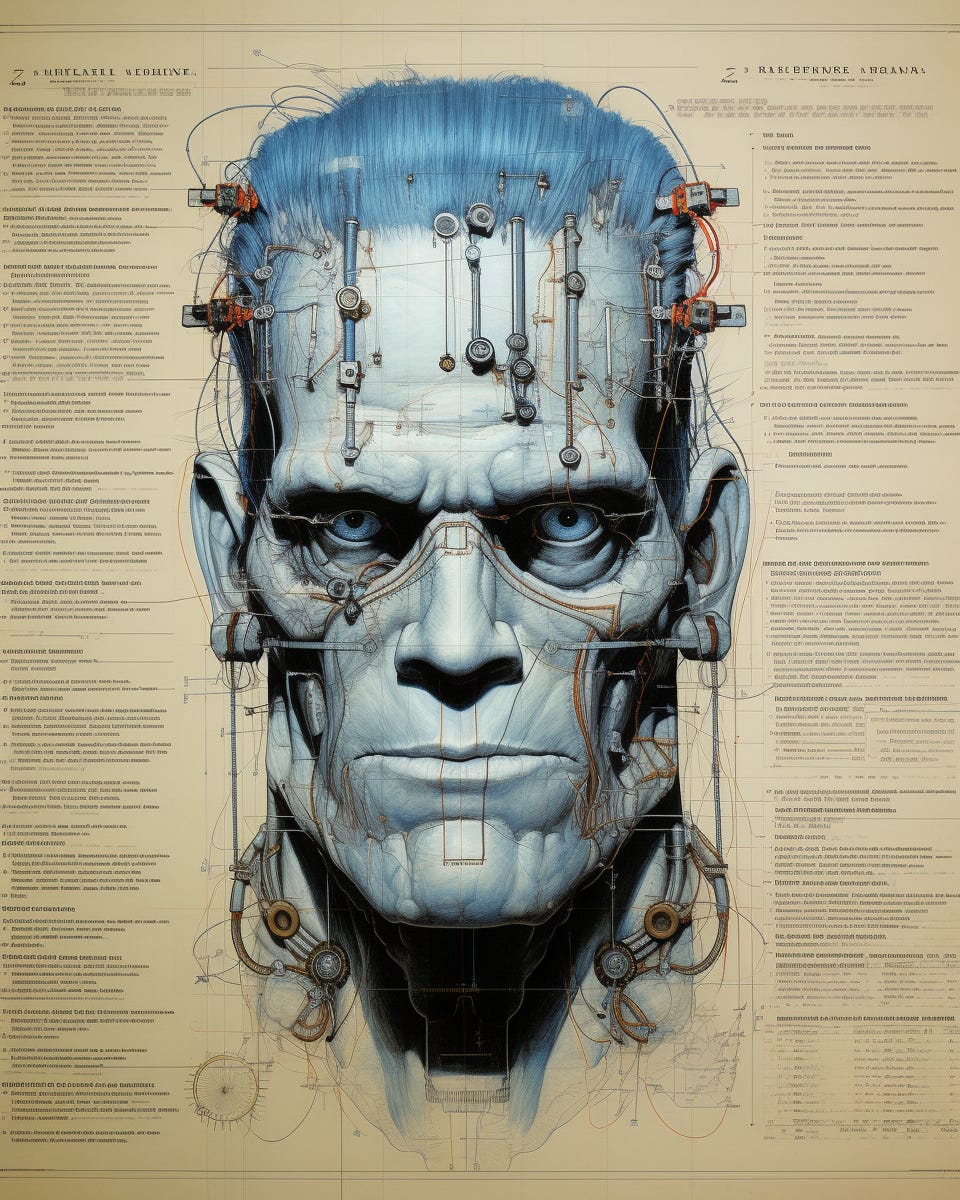
Enter the Age of CAD
Fast forward to the late 20th century, and the drafting table got a serious upgrade. Welcome to the age of Computer-Aided Design (CAD), where drawing technical stuff suddenly involved a lot more mouse clicks and a lot less pencil sharpening. CAD revolutionized the field, making it possible to create complex designs with the precision of a robot. If you thought technical drawings were boring before, try staring at a computer screen for hours while meticulously placing digital lines. Fun times.
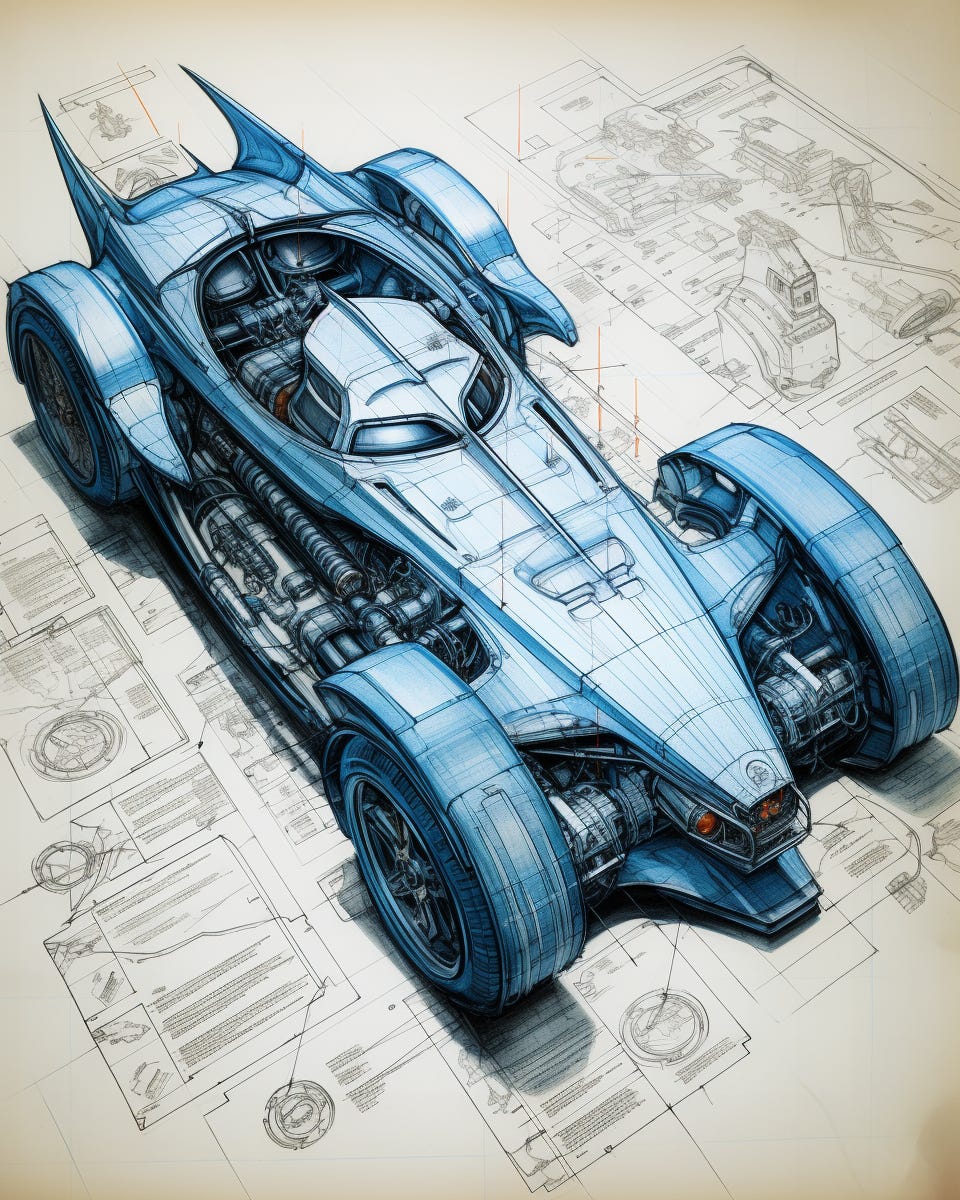
From Sketches to Skyscrapers
Technical drawings aren’t just for nerds in lab coats—they’re the blueprints for everything from skyscrapers to smartphones. Imagine trying to build a bridge without a technical drawing. It would be like trying to assemble IKEA furniture blindfolded. These drawings ensure that everything fits together perfectly, which is pretty important if you don't want buildings collapsing left and right.


Leonardo da Vinci: Known for his detailed anatomical and mechanical sketches, da Vinci's technical drawings are renowned for their precision and insight.
Gottfried Wilhelm Leibniz: A mathematician and polymath, Leibniz's contributions to technical drawing include detailed diagrams of mechanical inventions and mathematical concepts.
Gustave Eiffel: The engineer behind the Eiffel Tower, Eiffel's technical drawings are celebrated for their clarity and structural detail.
Isambard Kingdom Brunel: A pioneering engineer whose technical drawings of bridges, ships, and railways showcase his innovative approach to industrial design.
Albrecht Dürer: A master of perspective and proportion, Dürer's technical drawings have influenced countless architects and engineers.
Friedrich Wilhelm Herschel: An astronomer and technical draftsman, Herschel's detailed star maps and astronomical diagrams are pivotal in the field of astrophysics.
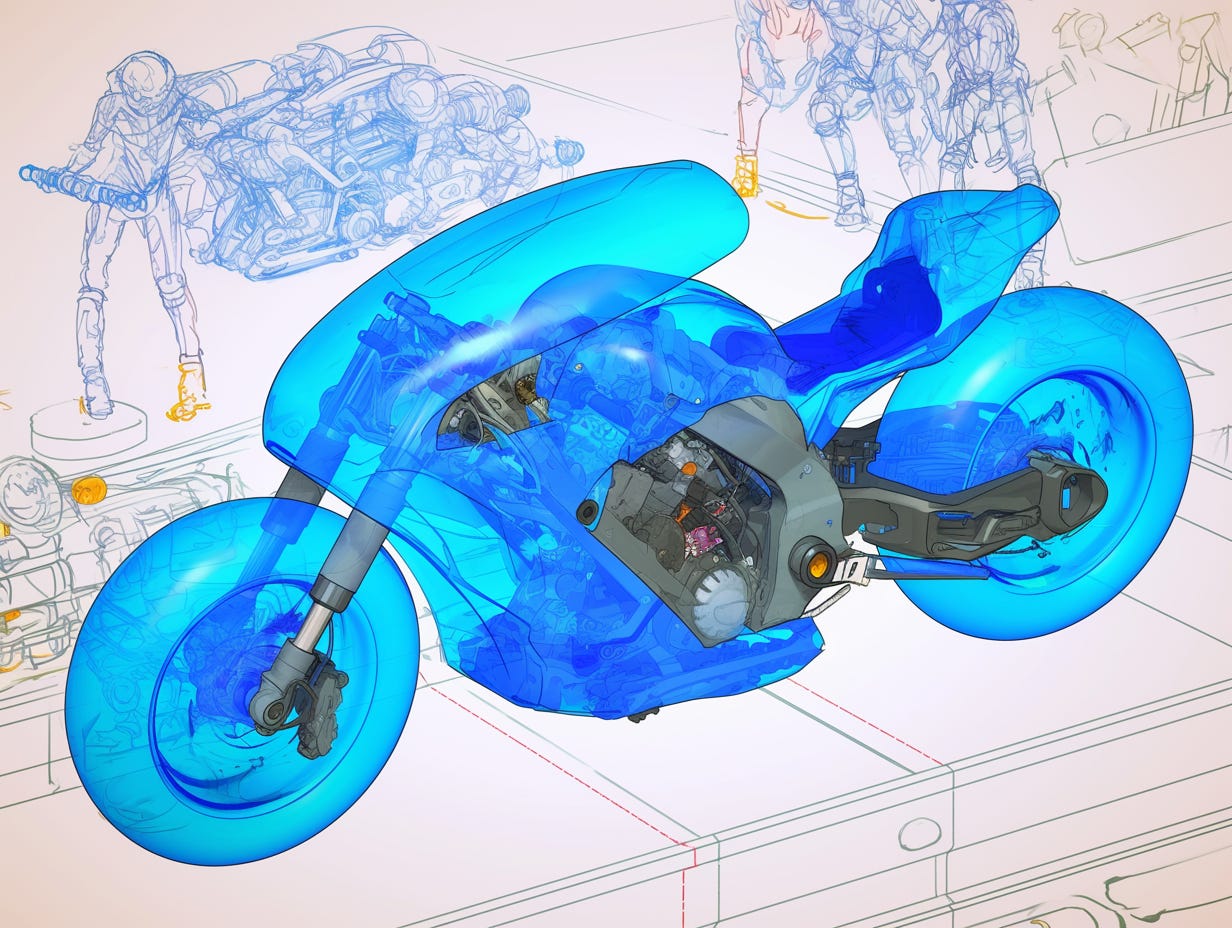
The Beauty of Precision
There’s a certain beauty to the precision of technical drawings. Each line, angle, and dimension is meticulously calculated to ensure everything works in perfect harmony. It’s like watching an orchestra, but instead of music, you get a perfectly designed machine. Sure, it’s a bit nerdy, but there’s something oddly satisfying about seeing all those lines come together to form something functional.
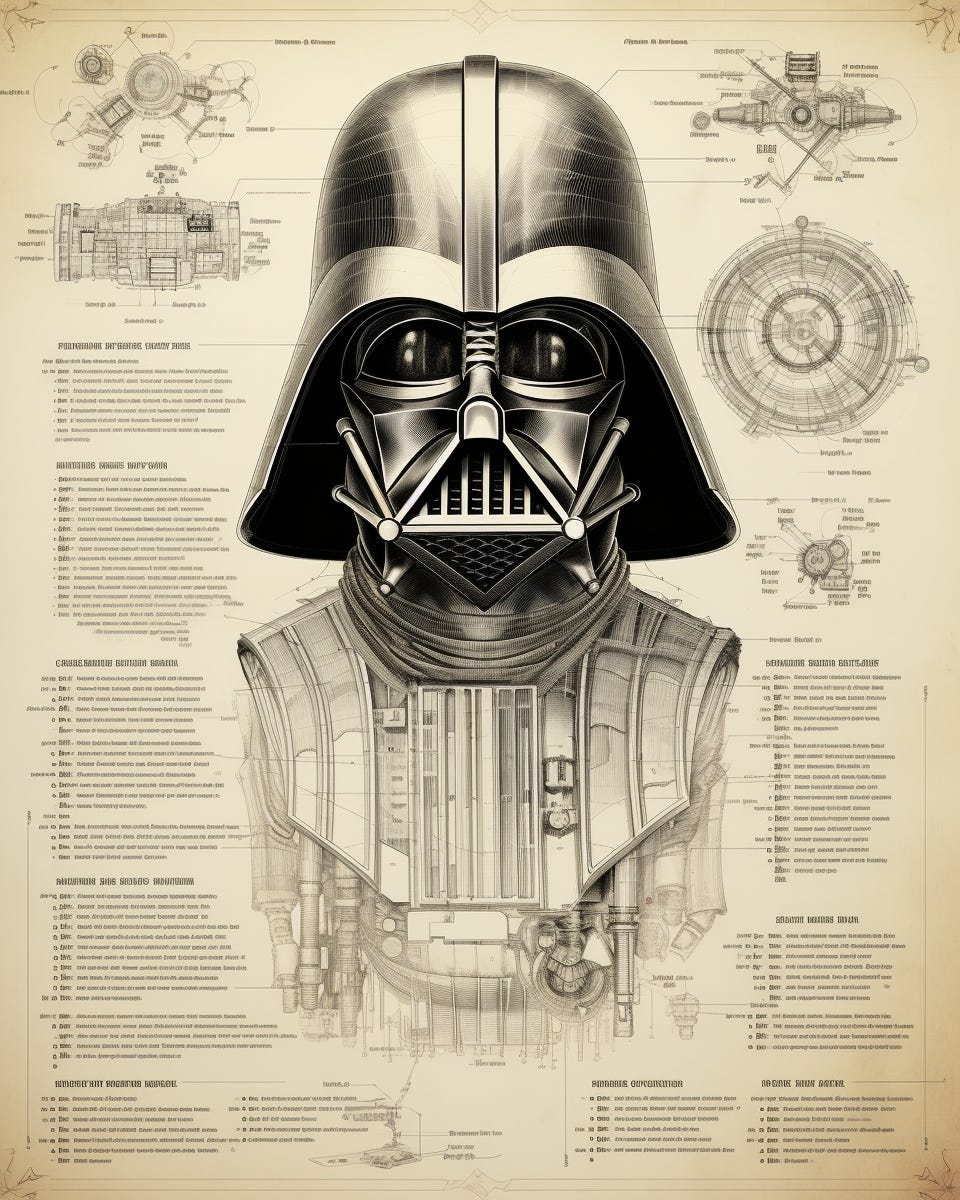
Started From the Bottom Now We’re Here
From their humble beginnings as Renaissance sketches to their current status as digital masterpieces, technical drawings have come a long way. They’re the backbone of engineering, the foundation of architecture, and the reason your IKEA bookshelf hasn’t collapsed yet. Next time you see a technical drawing, take a moment to appreciate the precision, the detail, and the sheer nerdiness of it all. And remember, while they might not be as glamorous as a Picasso, they’re just as important. Cheers to the unsung heroes of the design world—technical drawings! ✌️