


Where Play
Meets Display
From Playrooms to Pedestals
Welcome to the whimsical world of toy art, where your action figures do more than just fight imaginary battles—they tell stories, evoke nostalgia, and sometimes, just sometimes, make you look cooler to your friends. This isn't about your run-of-the-mill toys that languish in bins; this is about toys that sit on shelves, command attention, and spark debates. So, let’s put on our collector's gloves (they're a thing, right?) and dig through the toy box of history to discover how toy art has sculpted a niche of its own in the panorama of pop culture.
Not Just Child's Play
Imagine the first toy artists, way back when—let’s call them the prehistoric Pixar of their day—carving figures out of wood, not just for kids but for the kid in every adult. Fast forward to the 20th century, and companies like LEGO and Mattel weren't just making toys; they were crafting the building blocks of imagination and the action heroes of afternoon backyard epics.

Tag-style Trigger Tokens:
vinyl toy
art toy
toy art
limited edition figure
designer toy
urban vinyl
collectible toy
custom toy
DIY toy kit
pop culture toy
resin figure
stylized toy
crossover collectible
Story-style Trigger Tokens:
limited edition designer toy
art toy gallery piece
custom toy figurine
urban vinyl collectible toy
DIY customized toy
crossover collectible launch
pop culture art toy
resin toy model
stylized action figure prototype
toy art collab figure
collectible toy action figure
limited edition vinyl toy
designer toy action figure
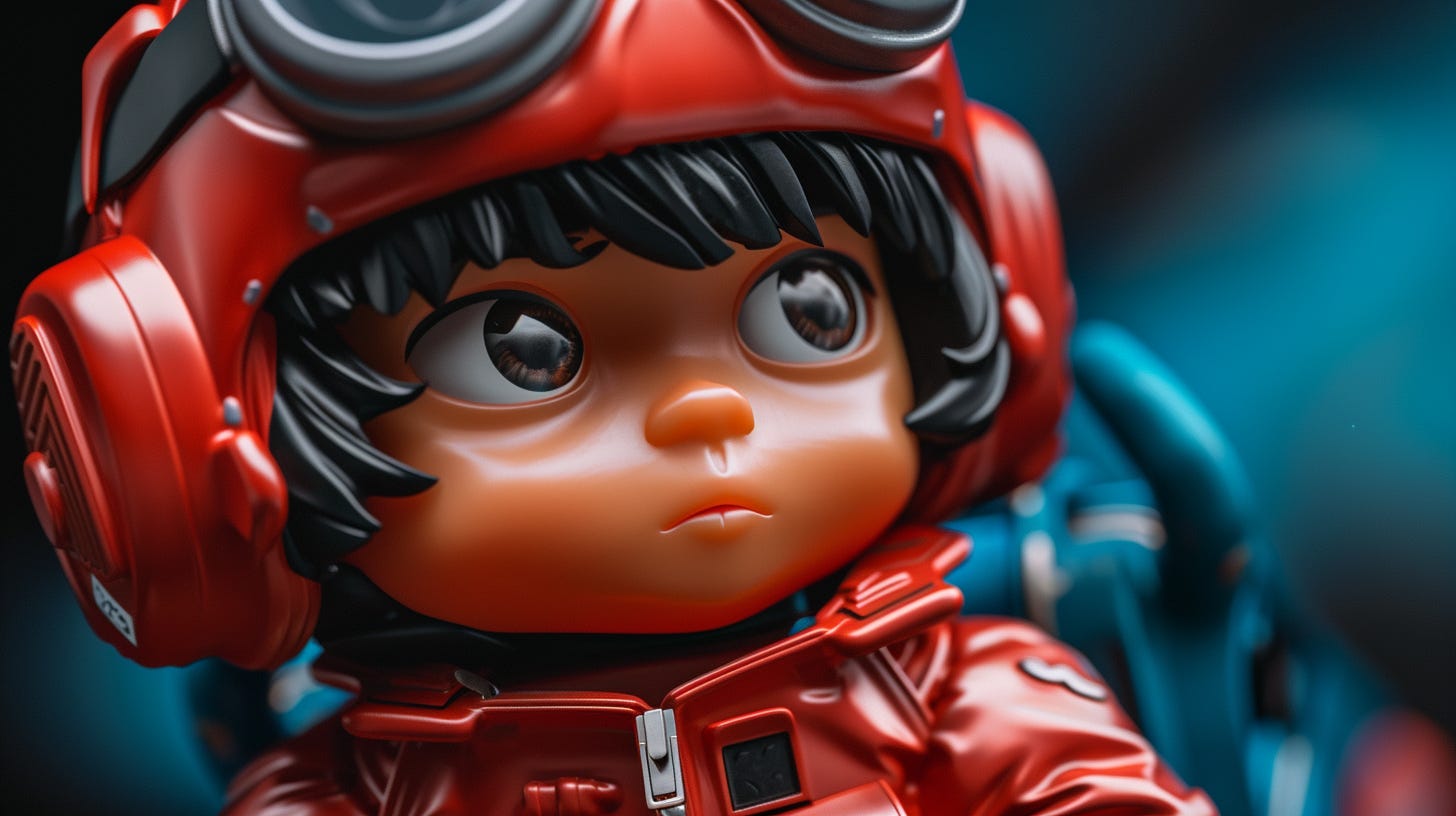
Bold, vibrant colors that capture attention and highlight the playful nature of toy art.
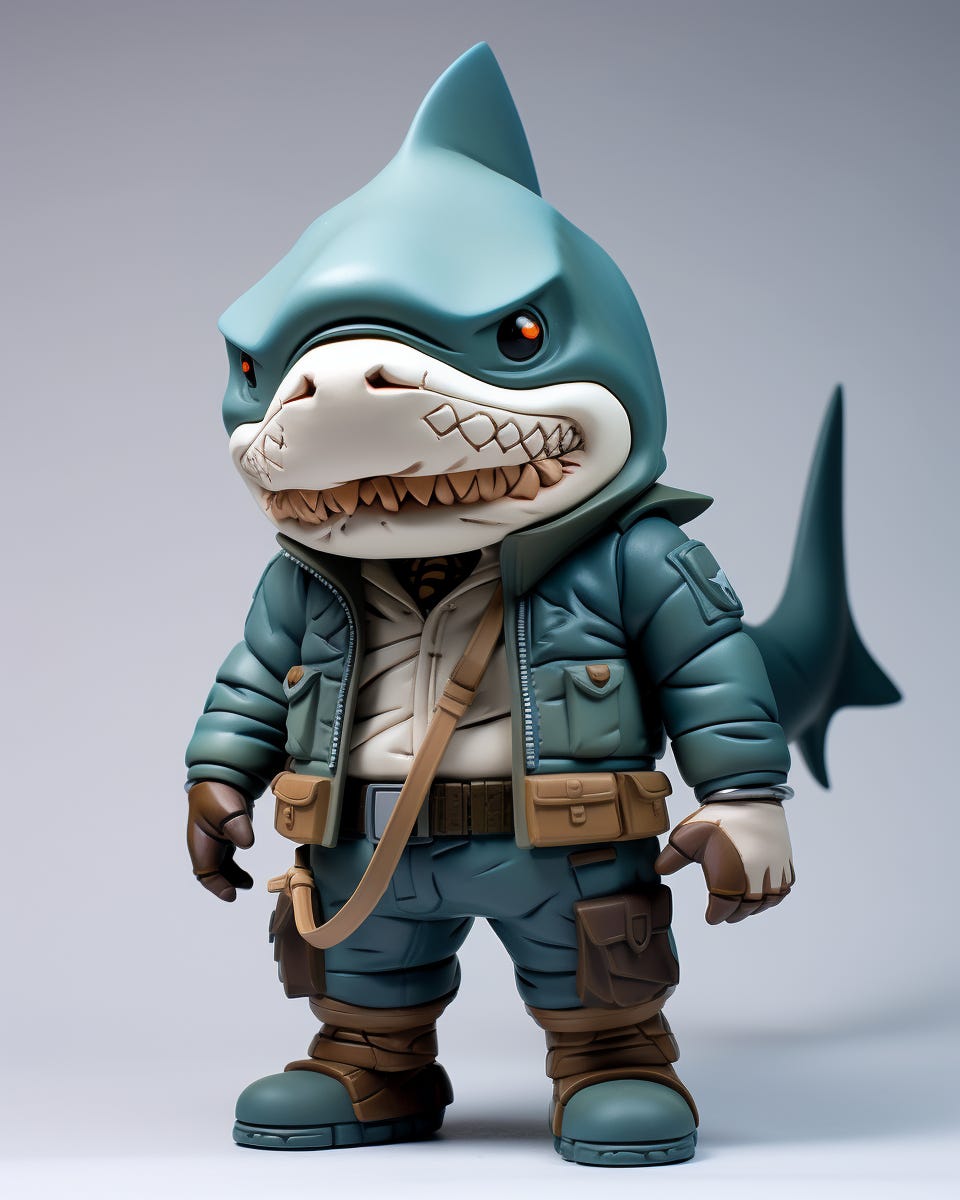
Stylized and exaggerated features on figures, emphasizing certain traits for character and humor.
Interactivity and articulation, allowing for dynamic poses and engagement with the owner.
Limited edition releases and exclusivity, creating a collectible aspect and cult following.
Collaborations with major brands and artists, leading to crossover collectibles that merge different cultural icons.
Use of vinyl, resin, and sometimes wood or metal, showcasing a variety of materials that influence the texture and weight.
Urban and street culture influences, evident in graffiti, hip-hop, and punk rock motifs.
Customization and DIY kits, encouraging personalization and creativity from collectors.
Packaging as part of the art, often elaborate and designed to enhance the unboxing experience.
Integration of digital and physical elements, like QR codes or apps that extend the toy's story or function.
Narrative and backstory provided with the toys, enriching the collecting experience with deeper content.
Cultural and pop references, making them relatable and timely for a broad audience.
Eclectic sizes, from miniature figures to life-sized statues, catering to a range of display preferences.
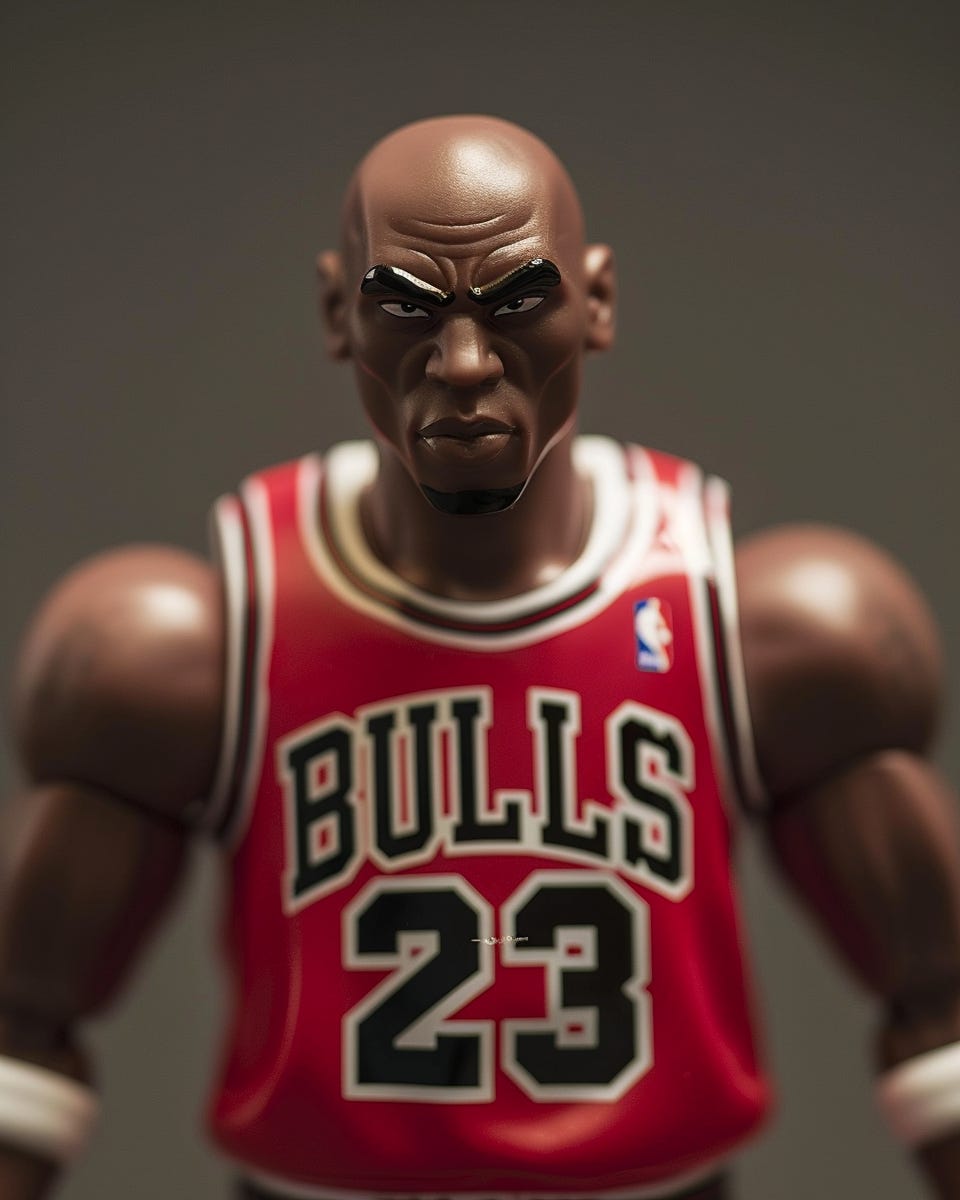

When Toys Became Art
The real game-changer came when someone decided to put a toy on a pedestal and call it art. Enter the designer vinyl boom of the late '90s and early 2000s, spearheaded by artists like Michael Lau in Hong Kong. These weren’t toys that begged you to play with them—no, these were toys that demanded you admire them, preferably from a respectful distance where sticky fingers couldn’t smudge their meticulously painted features.

Morphing Forms: The Evolution of Toy Art
The Material World
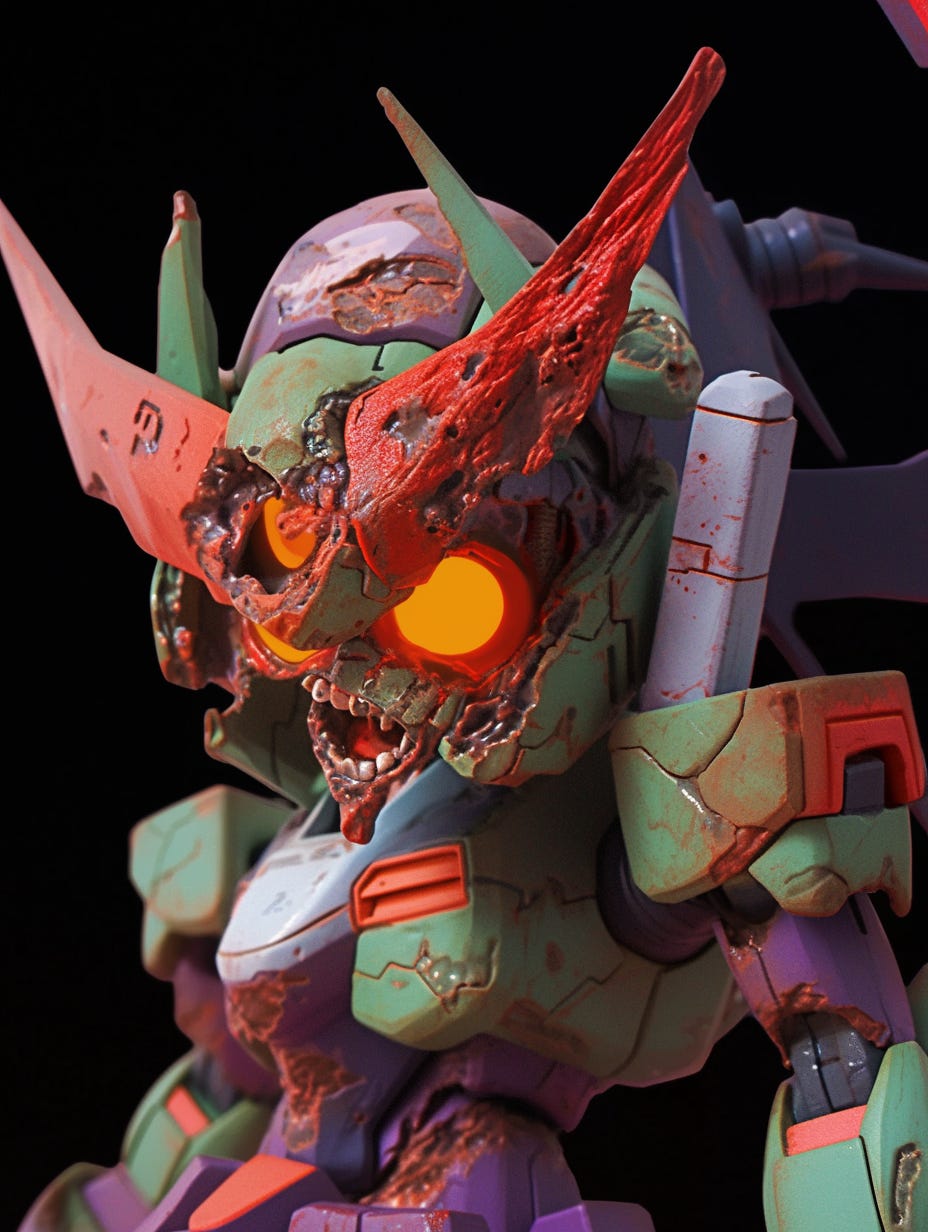
As toy art evolved, so did the materials—from wood and tin to vinyl and resin, the toy box expanded to include a plethora of polymers. Each material brought its own quirks to the party: resin allowed for sharper details (for that realistic goblin skin texture), and vinyl offered a smooth canvas for artists' wildest color schemes.
Toy Art Goes Mainstream
Toy art started popping up in unexpected places, from street art exhibitions to high-end galleries. Imagine walking into a gallery and seeing a three-foot-tall collectible figure of your favorite comic book character, looking like it just stepped out of a scene to challenge the Mona Lisa to a stare-off.
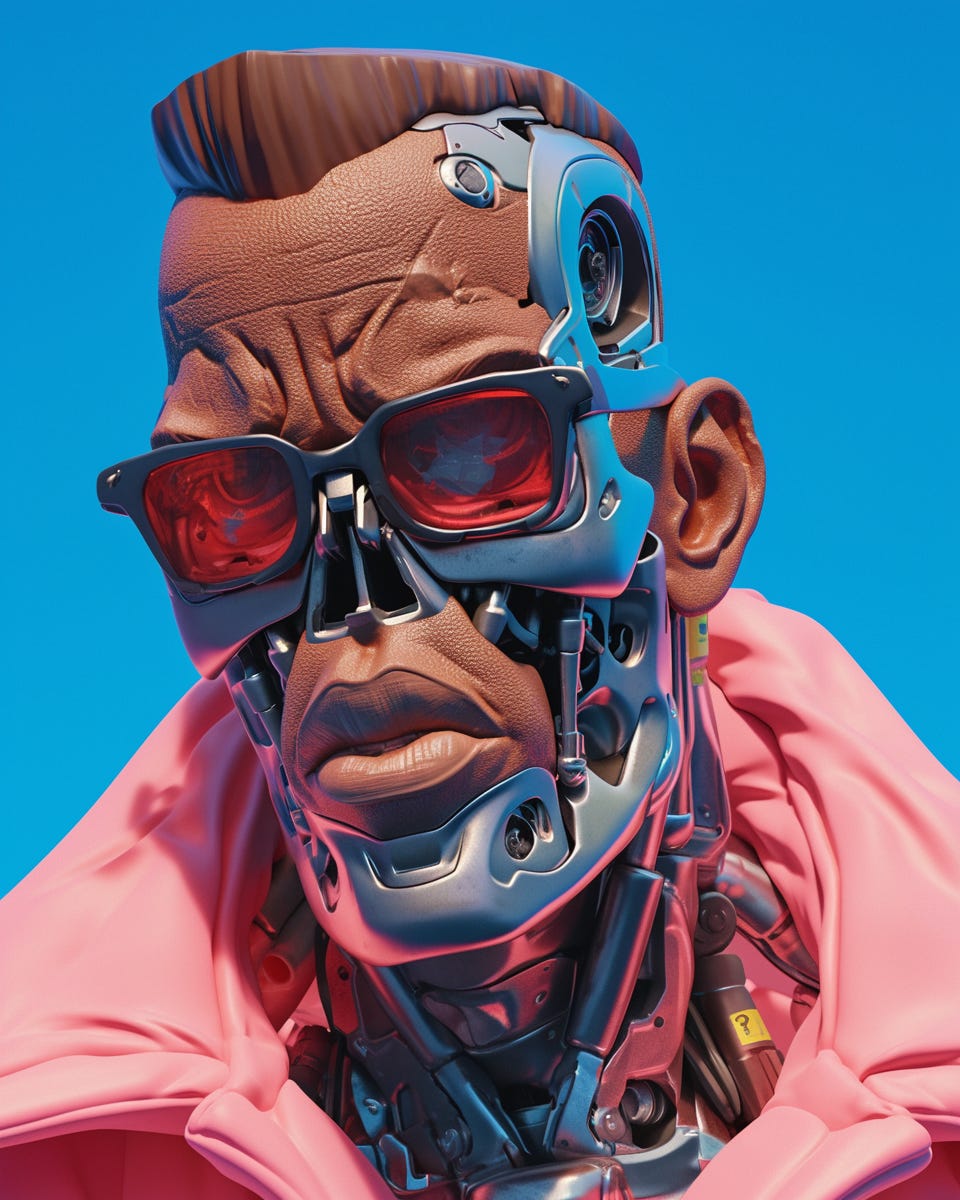
Playing with Impact: Toy Art in Pop Culture and Beyond
The Influence on Media and Merchandising
Toy art has redefined what merchandising can look like. It's not just about slapping a movie character on a lunchbox anymore; it's about creating a piece of art that might just happen to resemble a superhero. Toy art has blurred the lines between collectible and sculpture, between fan and curator.
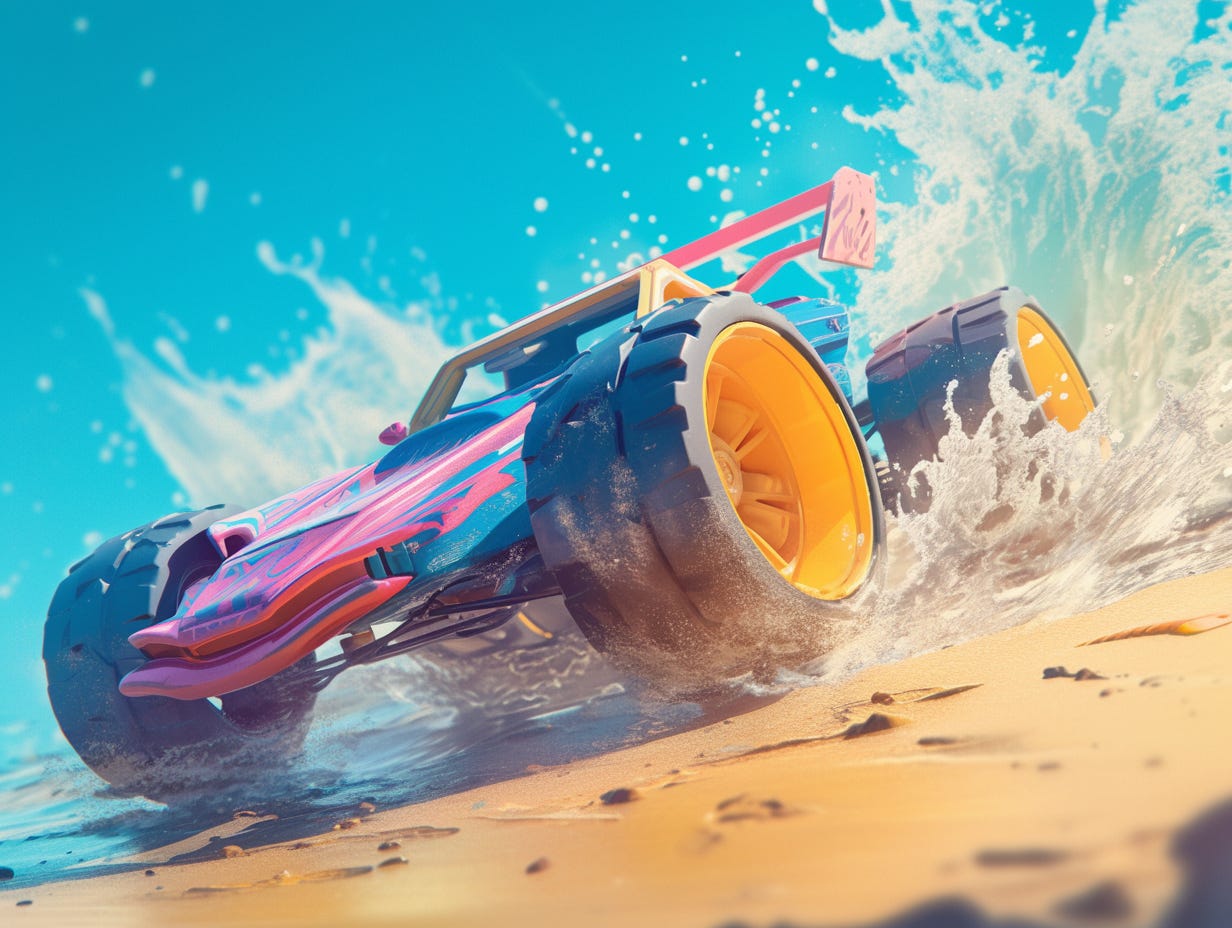
The Community and Culture of Toy Collectors
The community around toy art is as vibrant as the paint jobs on a limited-edition figurine. From conventions like Comic-Con to online forums, fans gather to debate the merits of matte vs. gloss finishes or to swap tales of that one rare find that completed their collection. It’s a community where “mint condition” is a lifestyle and “limited edition” is a battle cry.


Kaws (Brian Donnelly): Renowned for his iconic cross-eyed characters and limited-edition vinyl toys, Kaws bridges the gap between art and collectible toys, making a significant impact on the designer toy scene.
Frank Kozik: Famous for his Smorkin' Labbits and other quirky creatures, Kozik brought a punk rock sensibility to the designer toy world, emphasizing bold, graphic aesthetics.
Takashi Murakami: A Japanese artist who blends traditional aesthetics with contemporary pop culture, creating vibrant and highly sought-after art toys that often feature his flower and Mr. DOB characters.
Michael Lau: Hailed as the godfather of urban vinyl toys, Lau's work is characterized by its stylized figures and influence from graffiti and street culture, setting a foundational aesthetic for urban toy art.
Simone Legno (Tokidoki): Italian artist known for his cute and colorful characters under the Tokidoki brand, which has become globally recognized for its whimsical and imaginative toy designs.
Coarse (Mark Landwehr & Sven Waschk): Known for their emotionally charged and beautifully crafted statues, Coarse toys blend storytelling with high-end production to create a unique narrative and aesthetic in toy art.
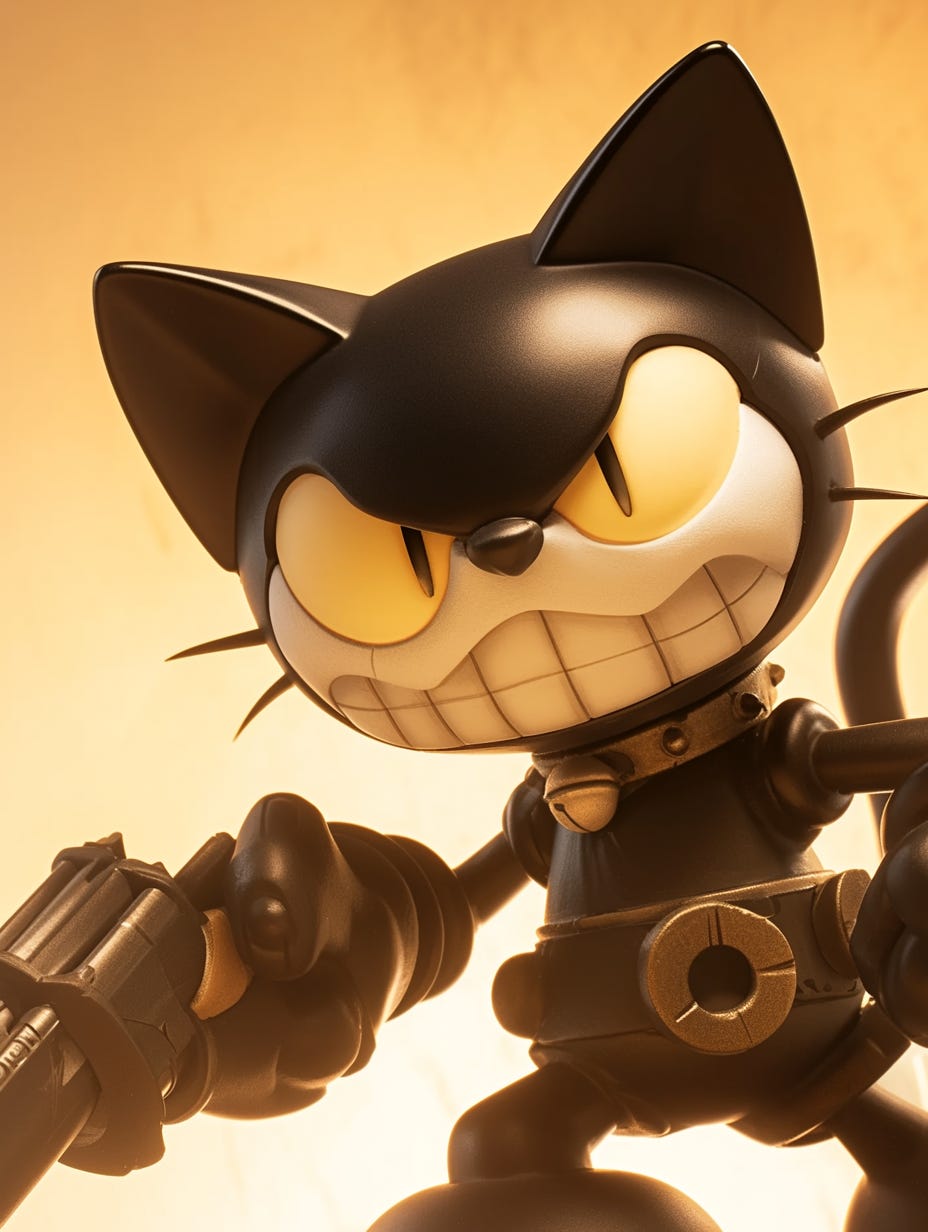
The Future in 3D: What’s Next for Toy Art?
The Digital Frontier
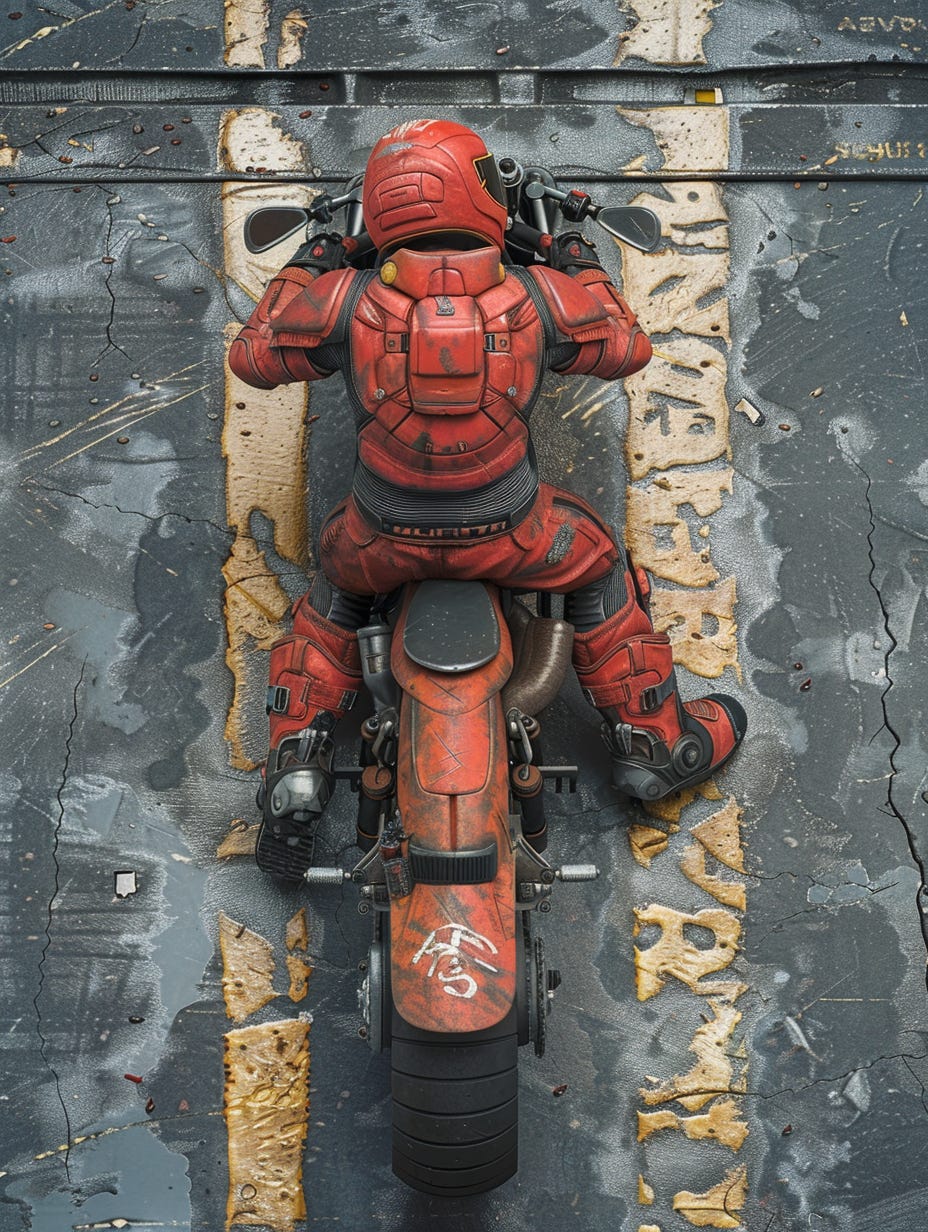
With advancements in 3D printing and digital modeling, the future of toy art is looking as bright as an LED-lit display case. Artists now have tools that allow for even more intricate designs and customizations, making the line between toy and art finer than ever.
The Next Dimensions of Toy Art
What’s next? Imagine interactive toy art that integrates with your smart home or virtual reality setups where you can design and interact with your toys in a digital landscape. The possibilities are as limitless as the imaginations behind them.
Keep Playing, Keep Dreaming
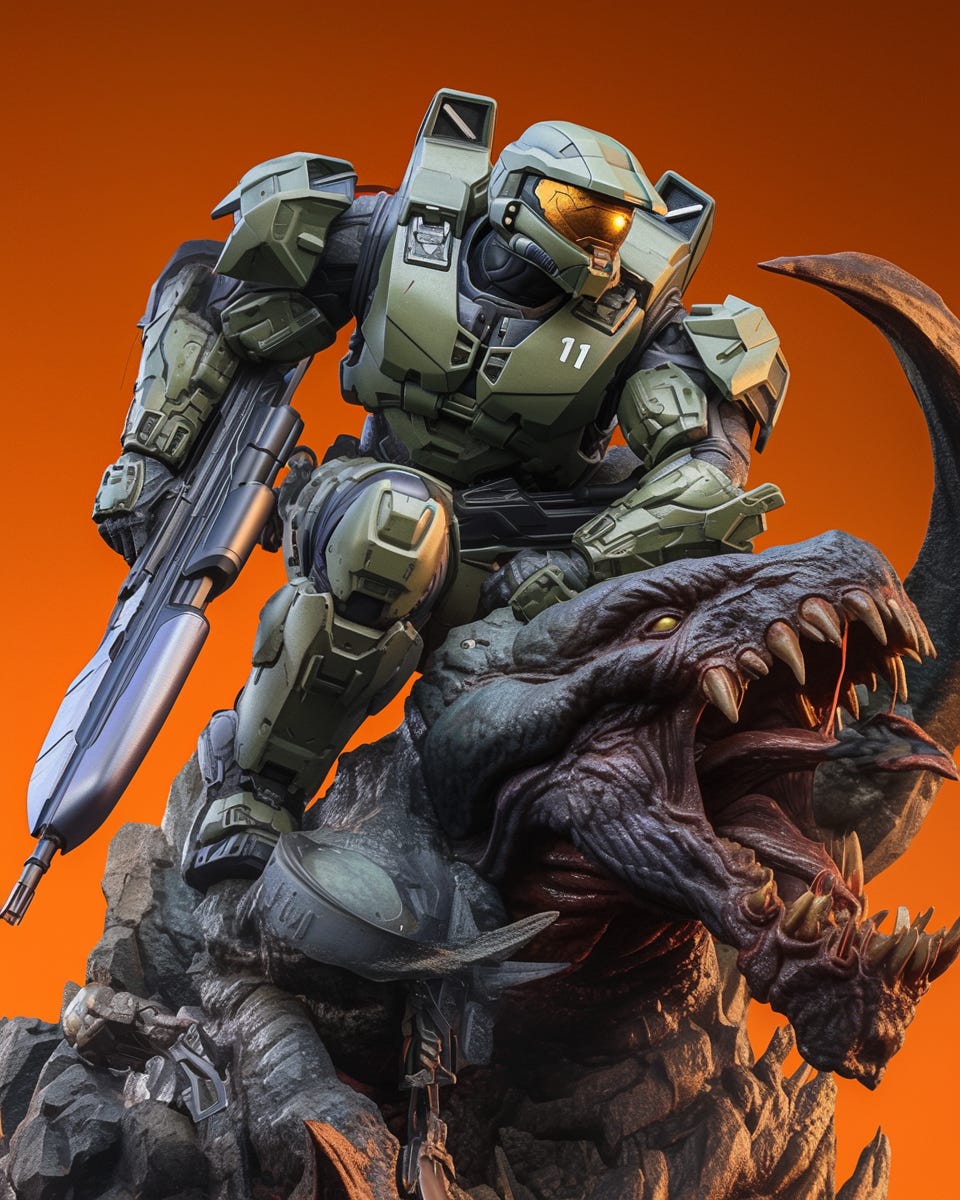
As we close the lid on our exploration of toy art, let's remember that this journey through the playful yet profound world of collectibles is far from over. Toy art isn't just about preserving childhood; it's about celebrating creativity at any age. Whether you’re a seasoned collector or a newcomer to the scene, the world of toy art invites you to look, touch (carefully!), and play without boundaries. So, the next time you pass by a toy, remember: it might just be a masterpiece in disguise. Keep playing, keep dreaming, and who knows? Maybe the next great piece of toy art is waiting to be discovered on a shelf near you. Happy collecting! ✌️