


A Little Like
Sushi Pizza
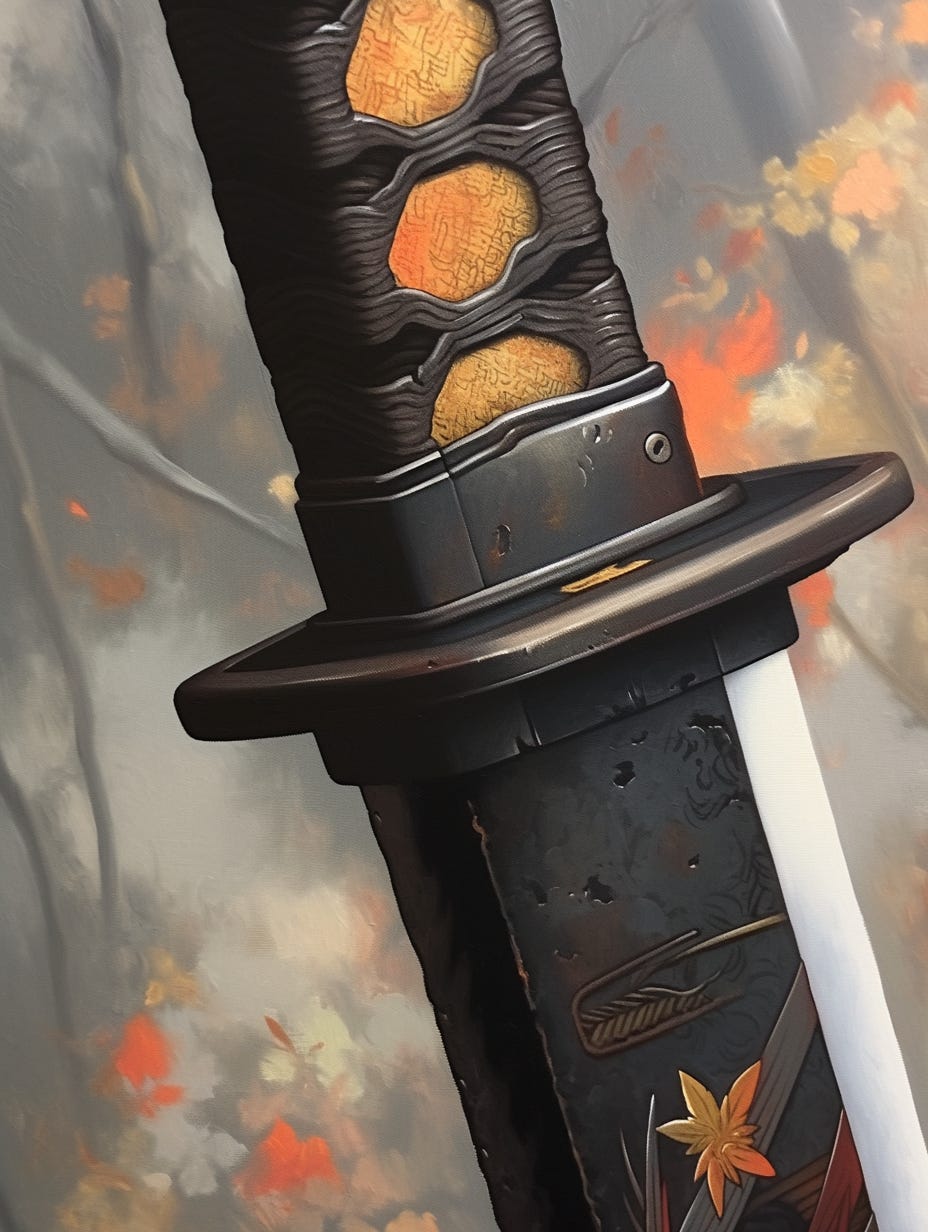
Alright, art snobs and cultural fusion fans, brace yourselves! We're about to embark on a wild ride through the topsy-turvy world of Yōga painting, where Japanese artists decided to ditch the delicate cherry blossoms and samurai in favor of something a little more... European. Imagine if Van Gogh took a detour through Tokyo and swapped his absinthe for sake. That’s Yōga for you. Buckle up, because this mashup of East and West is as confusing as it is captivating!
From Cherry Blossoms to Cézanne
Back in the 19th century, Japan had a major case of FOMO when they opened their doors to the West. Cue the Meiji Restoration, a time when Japan decided to throw a cultural party and invite all things Western. Among the guests? Western-style painting. Japanese artists, tired of painting serene landscapes and koi fish, thought, "Why not try some of that Euro je ne sais quoi?"
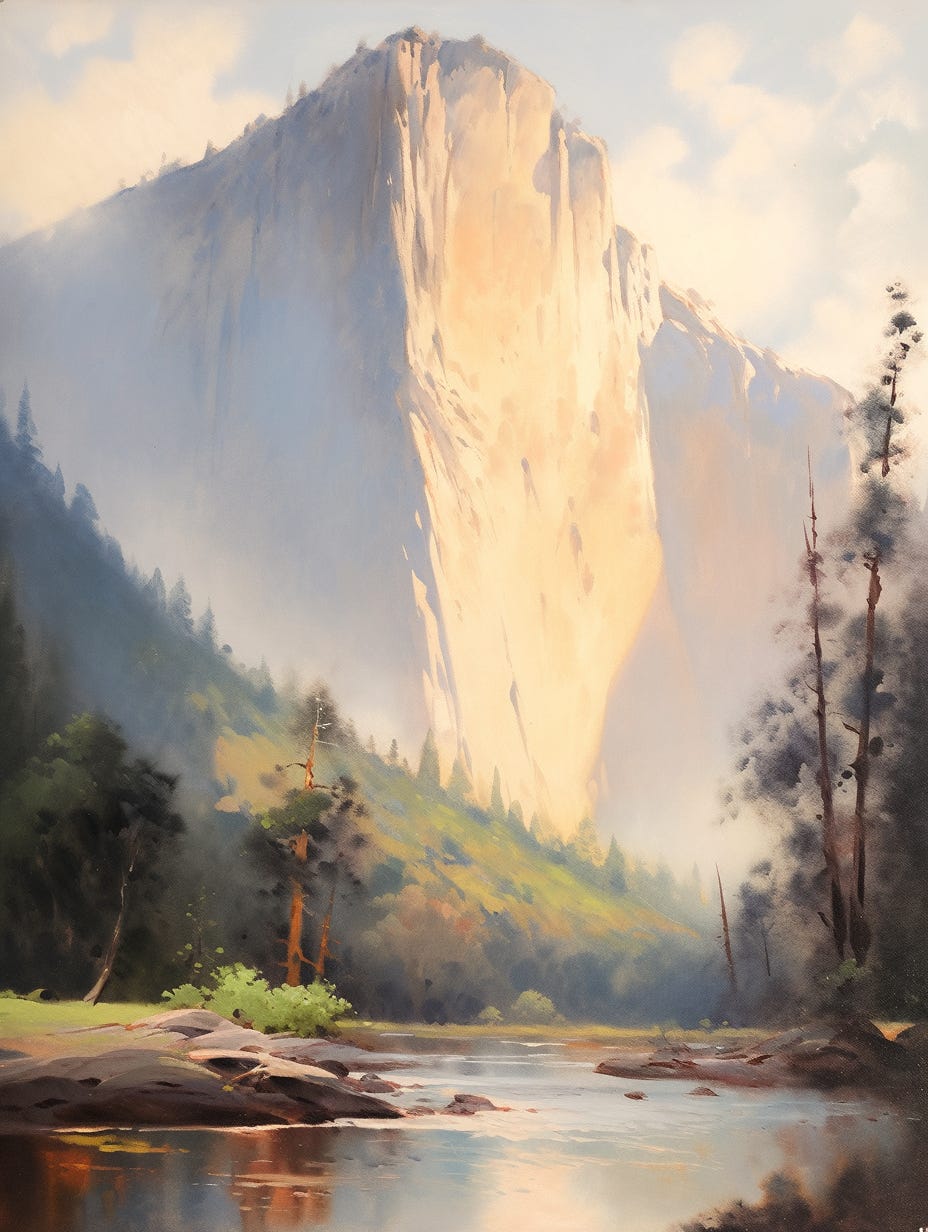
Thus, Yōga painting was born, blending traditional Japanese techniques with Western styles. As if a delicate Japanese scroll painting suddenly married a boozy Impressionist and had a baby. Early adopters like Takahashi Yuichi started experimenting with oil paints and perspective, creating works that looked like a Monet on matcha.
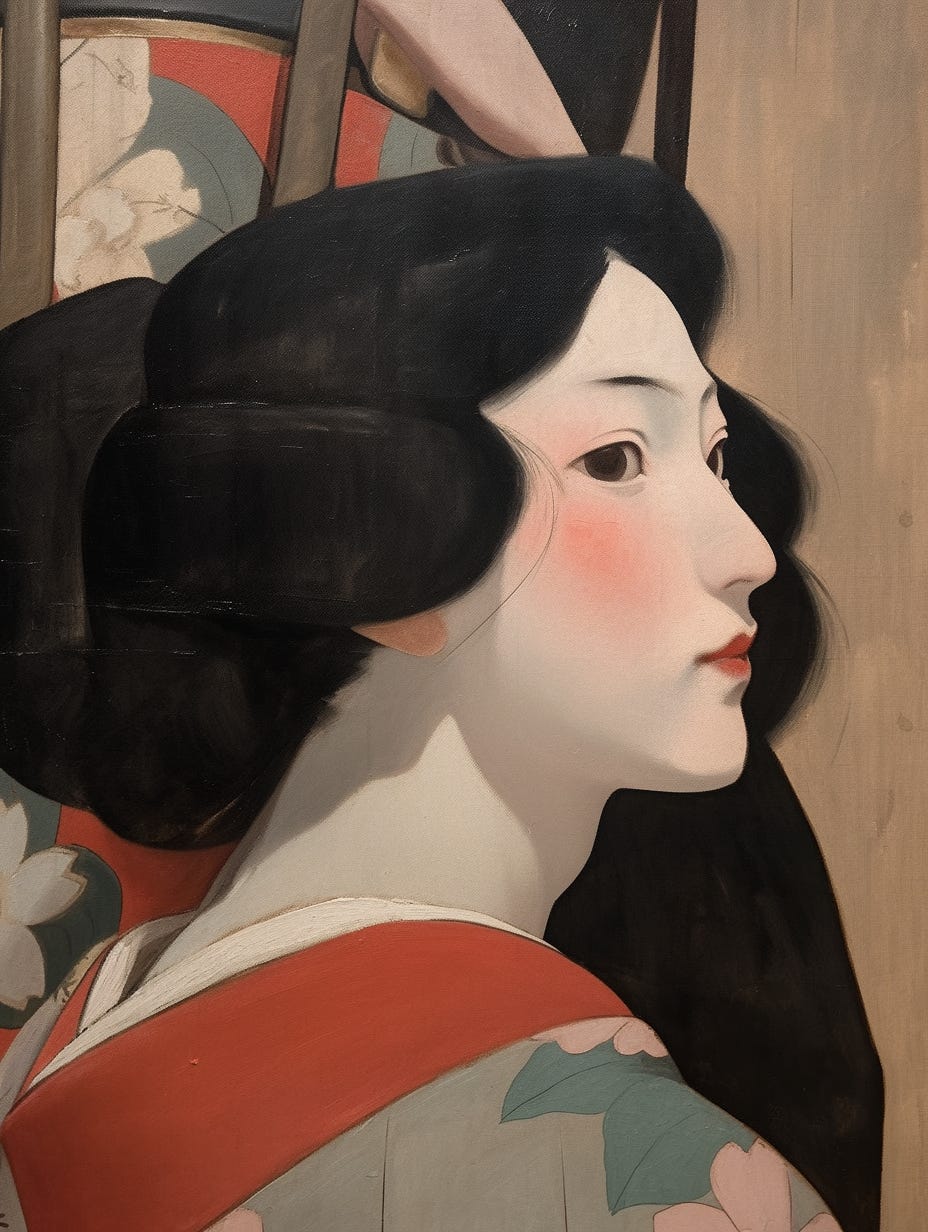

Tag-Style Trigger Tokens:
Yōga realism,
Yōga naturalism,
Yōga oil painting,
western technique,
detailed brushwork,
Japanese themes,
Yōga portraiture,
Yōga painting,
historical Yōga art,
Yōga style fusion,
expressive Yōga art,
Story-Style Trigger Tokens:
A Yōga painting style artwork of [subject],
realistic Japanese oil painting,
detailed brushwork in Yōga art,
fusion of Western techniques and Japanese themes,
a [subject] with vibrant colors in Yōga painting style,
[subject] in Japanese Yōga oil painting style,
Yōga style portrait of [subject],
Yōga-style [subject] painting with Western realism,
historical Yōga art style scene of [subject],
modernist Yōga painting of [subject],
naturalism style Japanese Yōga oil painting of [subject],
expressive style Yōga art of [subject],
Yōga painting of [subject] with textural contrast,
The Awkward Adolescence of Yōga
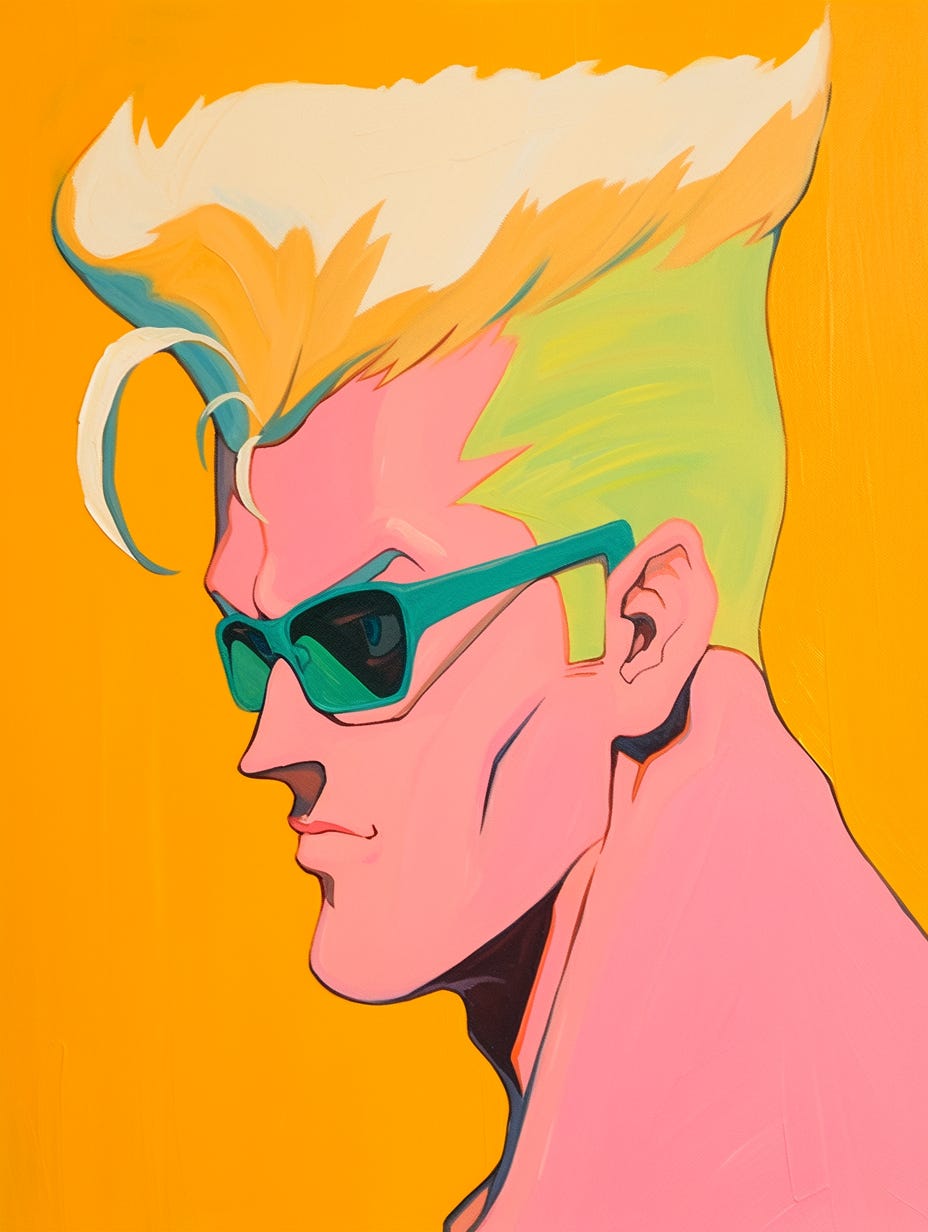
As Yōga evolved, it embraced everything from Romanticism to Realism. It was like watching a teenager go through every phase imaginable, from emo to punk to hipster. Artists like Kuroda Seiki and Asai Chū ditched the traditional Japanese palette for the moody tones of Western art. Suddenly, Japan was filled with paintings of French-style nudes and European landscapes, leaving everyone wondering if they’d accidentally teleported to Paris.
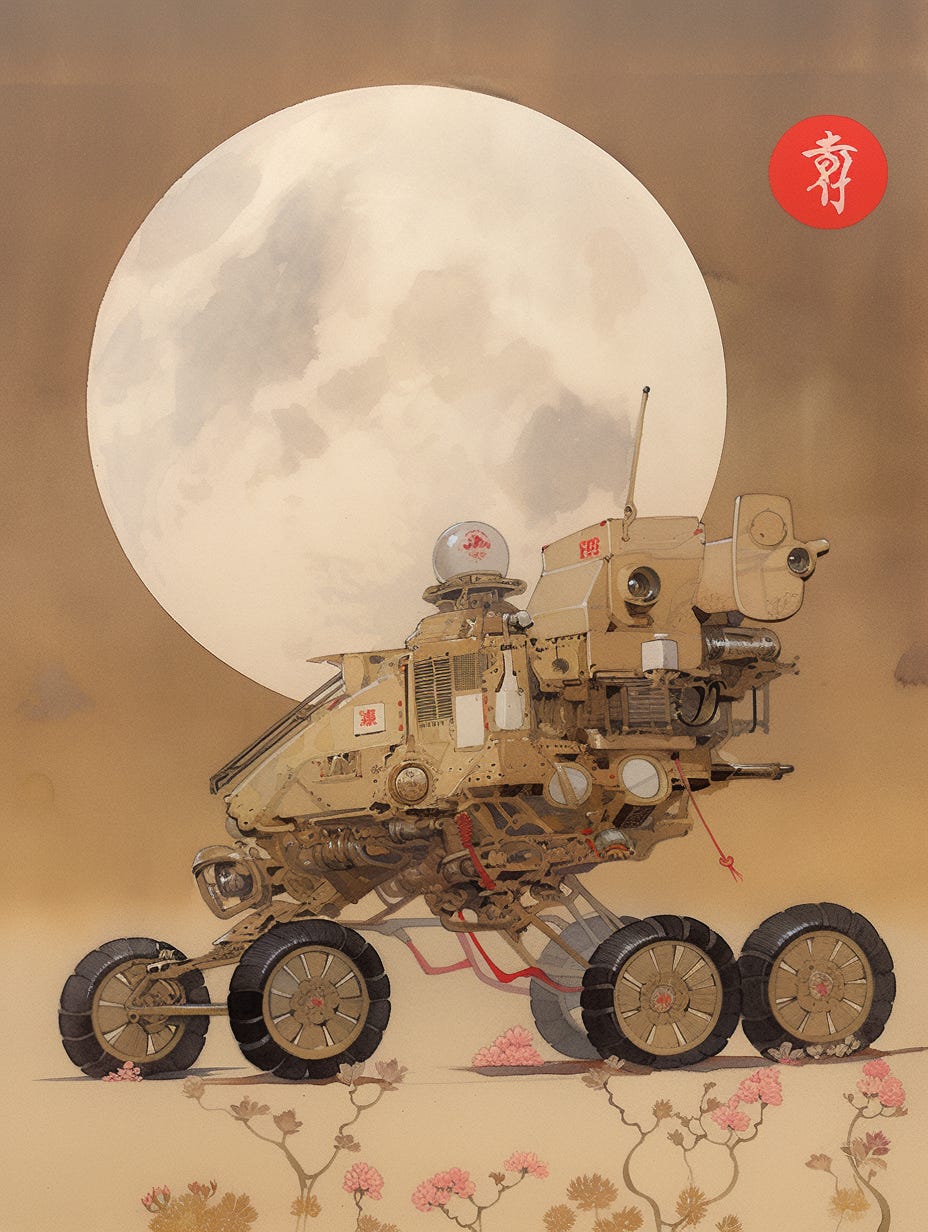

Realism and Naturalism: Emphasis on realistic depiction of subjects, inspired by Western techniques.
Western Techniques: Use of oil paints, perspective, and chiaroscuro (light and shadow).
Detailed Brushwork: Fine, detailed strokes that enhance realism.
Japanese Themes: Incorporation of traditional Japanese subjects and themes.
Vibrant Colors: Rich and vivid color palettes, often influenced by Western Impressionism.
Light and Shadow: Skilled use of light and shadow to create depth and dimension.
Portraiture: Focus on detailed and realistic portraits, often of notable figures.
Landscape: Detailed and naturalistic landscapes that blend Western realism with Japanese scenery.
Historical Scenes: Depictions of historical events and figures with a high degree of accuracy.
Fusion of Styles: Blending Western and Japanese artistic traditions.
Textural Contrast: Use of different textures to add depth and interest.
Emotional Expression: Conveying emotions and narratives through realistic depiction.
Modernist Influences: Incorporation of abstract and modernist elements while maintaining realism.
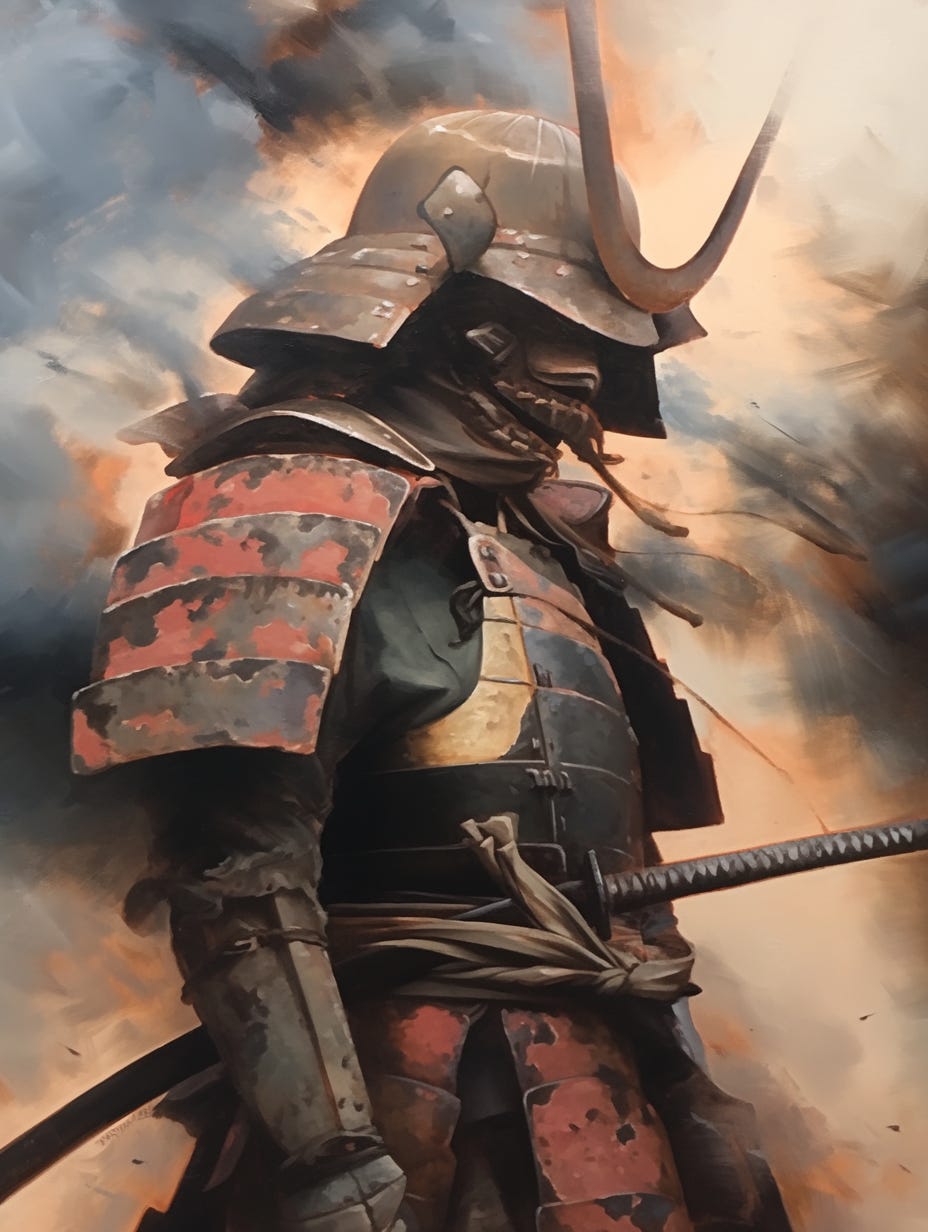
East Meets West, and Things Get Weird
It wasn’t all smooth sailing. Yōga artists faced a bit of an identity crisis, trying to balance their Japanese heritage with their new Western techniques. Picture a samurai wielding a paintbrush instead of a katana, trying to paint a bowl of fruit with the same intensity he’d use in battle. Yeah, it was weird, but also kind of awesome.
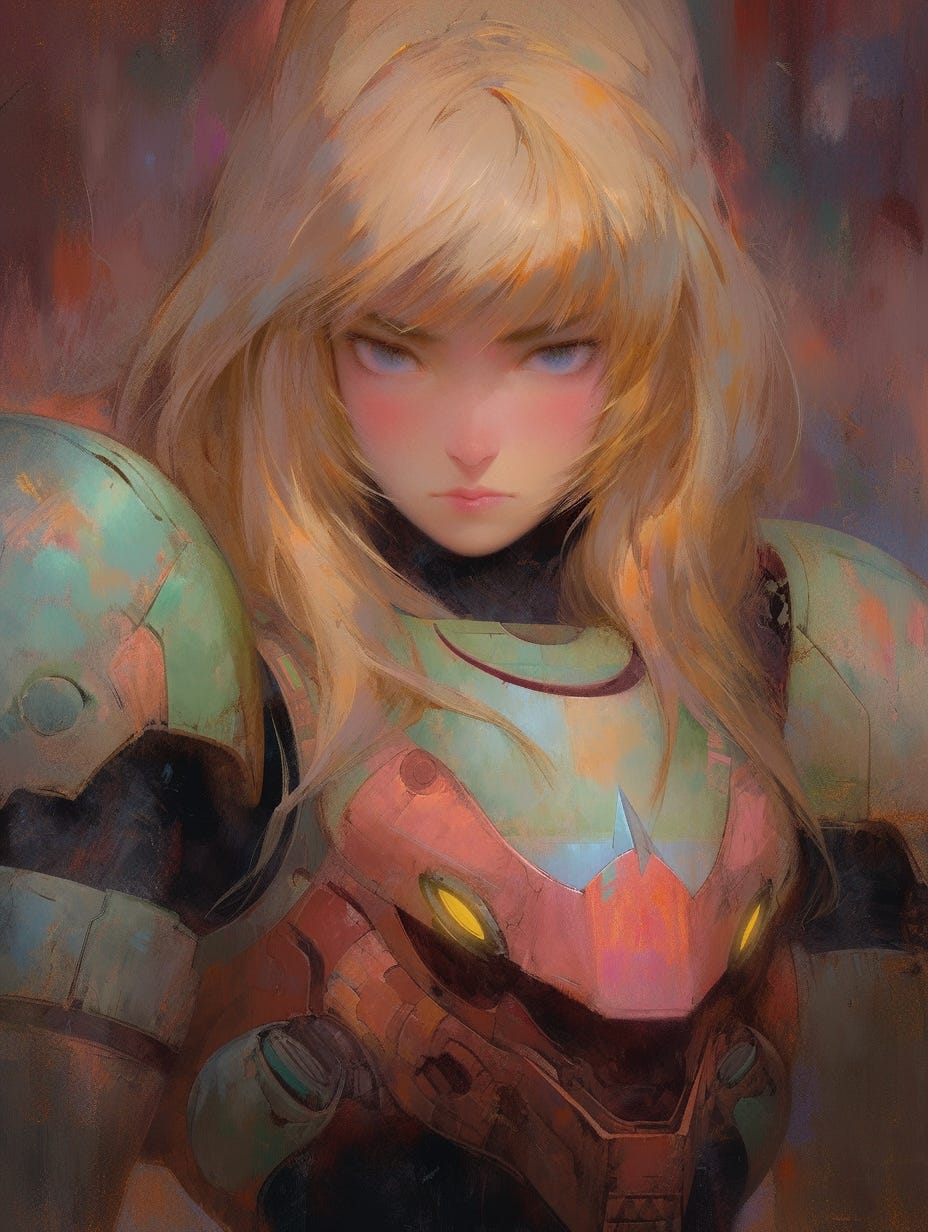
The Global Reach of Yōga
Yōga painting didn’t just stay in Japan; it caused a bit of a stir overseas too. Westerners were both impressed and perplexed by this East-meets-West style. It was like seeing a sushi chef at a pizzeria—unexpected but intriguing. Yōga brought a fresh perspective to the art world, showing that cultural fusion could be more than just a culinary experiment gone wrong.
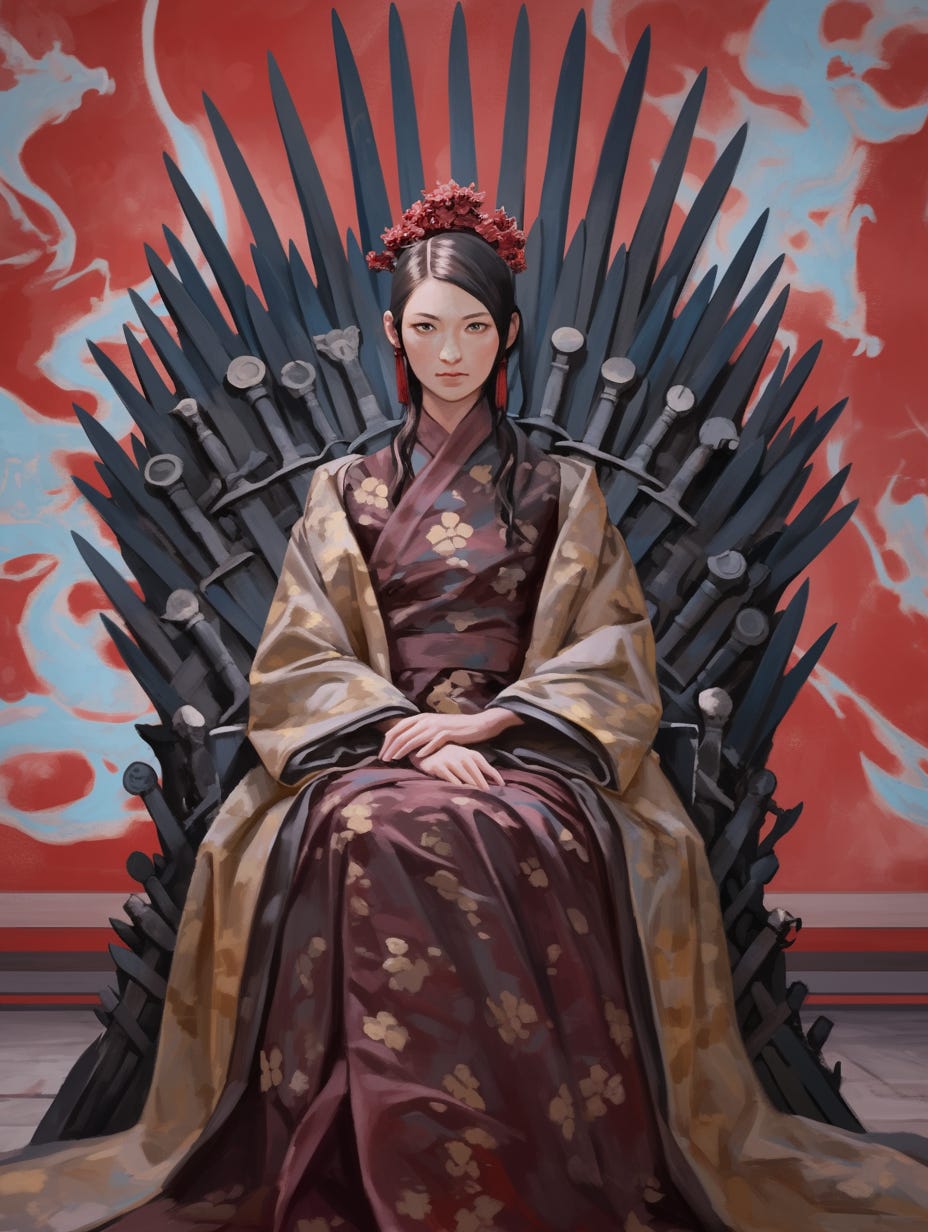

Kuroda Seiki: Often regarded as the father of Yōga painting, Kuroda introduced Western painting techniques to Japan and emphasized the importance of studying in Europe.
Asai Chū: A prominent figure in the Yōga movement, Asai was instrumental in integrating Western realism into Japanese art, particularly through his landscape paintings.
Harada Naojirō: Known for his historical and portrait paintings, Harada's work is characterized by its meticulous attention to detail and use of Western-style techniques.
Aoki Shigeru: A key figure in the Taishō period, Aoki's work blends Western romanticism with Japanese themes, creating a unique fusion that is central to the Yōga style.
Yorozu Tetsugorō: An innovative artist who combined Western techniques with elements of Japanese aesthetics, Yorozu's work often explores abstract and modernist themes.
Fujishima Takeji: Renowned for his use of light and color, Fujishima's works often depict beautiful women and landscapes, reflecting the influence of European Impressionism on Yōga painting.
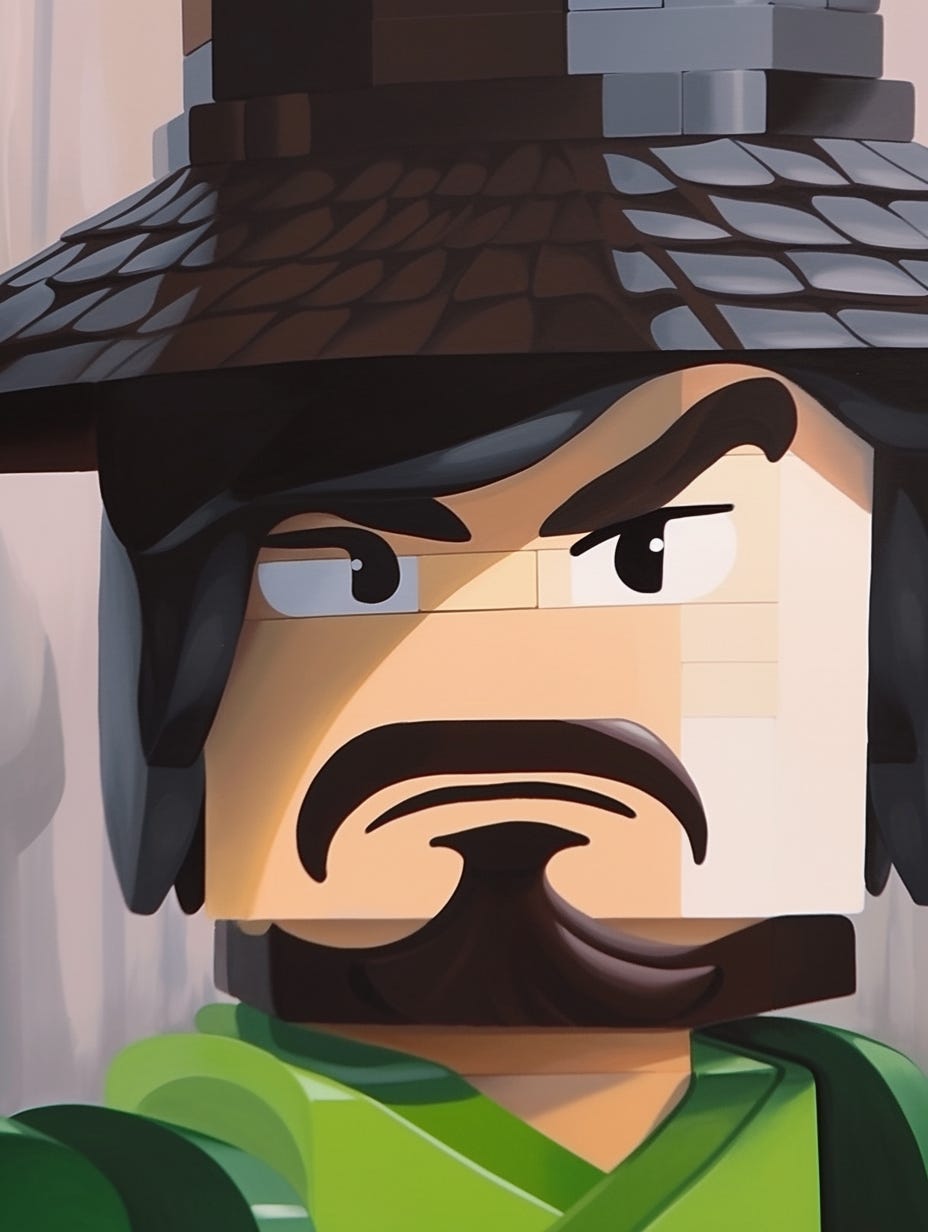
Confusing Many, Impressing Everyone
Meanwhile, back in Japan, Yōga painting became a staple in art education. Aspiring artists were trained in both traditional Nihonga (Japanese painting) and Yōga, resulting in a generation of painters who could switch between styles faster than you can say "Picasso-san." This dual training produced works that were uniquely Japanese yet unmistakably global.
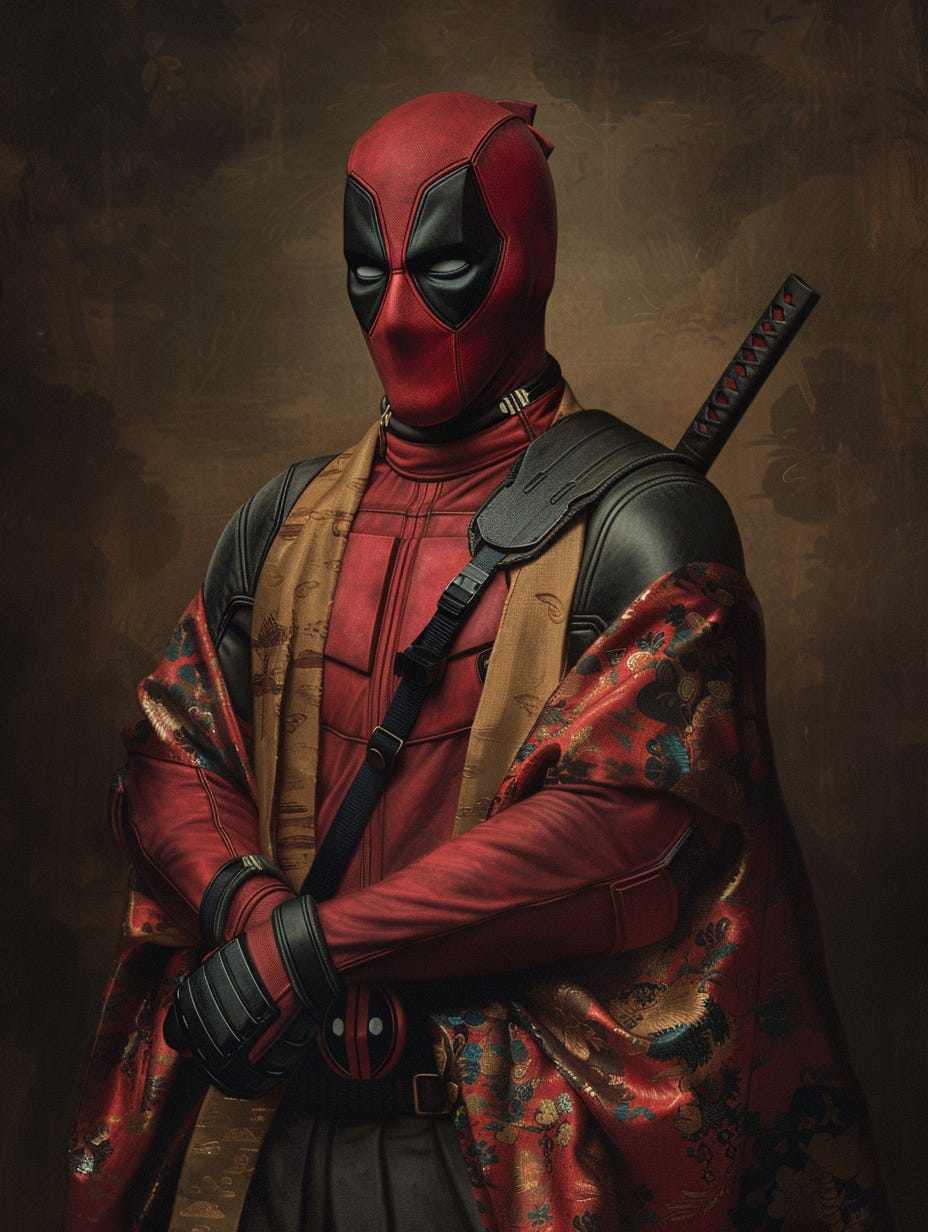
Yōga’s Future Swagger
So there you have it—a wild, wacky tour through the world of Yōga painting. From its curious beginnings in the Meiji era to its modern-day mashups, Yōga proves that art doesn’t have to stick to one style or culture. It’s a testament to the power of fusion, creativity, and a healthy dose of artistic confusion. Next time you see a Yōga painting, remember the bold artists who dared to mix East with West, and raise a glass (or a paintbrush) to their fearless innovation. Because in the world of Yōga, anything goes, and that’s what makes it so darn interesting. Cheers! ✌️