

FYI
Logo design with Midjourney is not perfect for some obvious control-related reasons…Mama always told me AI is like a box of chocolates, you never know what you’re gonna get.
So…
This will be one of the only times you will ever see me dropping artist or designer names into a prompt, but I found that leaning on some of the greats (the same way I do as a graphic designer) is the best way to get (semi)consistent results.
Please feel free to copy paste my prompts and just replace subjects, adjectives, colors, etc.
PS
To get the most out of these logo illustrations you have a great toolbox right in discord starting with Midjourney’s vary controls

Vary (Subtle) and Vary (Strong) are great tools in pretty much all cases—As a graphic designer, when I’m designing a logomark, I want to see different directions off the bat, but then I also want to see a few comps/iterations of each direction, so I use one of these two controls (more than once!) on EVERY SINGLE generation that I really like, just to see where it goes.
Pro-Tip: If you don’t have enough hours to ‘just see where it goes’, go rate images for about 20 minutes and Midjourney will give you a free hour. Easy!
Vary (Region) is incredibly useful for removing or altering any floaters, artifacts or unrecognizable bits and pieces.
Then of course you have the Tracejourney bot’s background eraser and vectorizer, which is perfect for cutting out and vectorizing logos and icons.


Logo Design is a critical aspect of graphic design focusing on creating a unique symbol or wordmark that embodies the essence of a brand, company, or product. A well-designed logo is memorable, enduring, and versatile, capable of communicating the brand's values, tone, and personality at a glance. Effective logo design is both an art and a science, requiring a deep understanding of the brand's core identity and the target audience. Techniques vary from minimalist designs that use simple shapes and lines to complex symbols that incorporate hidden meanings or visual puns. The choice of technique often depends on the brand's industry, history, and personality.

Logo Design Master Prompt:
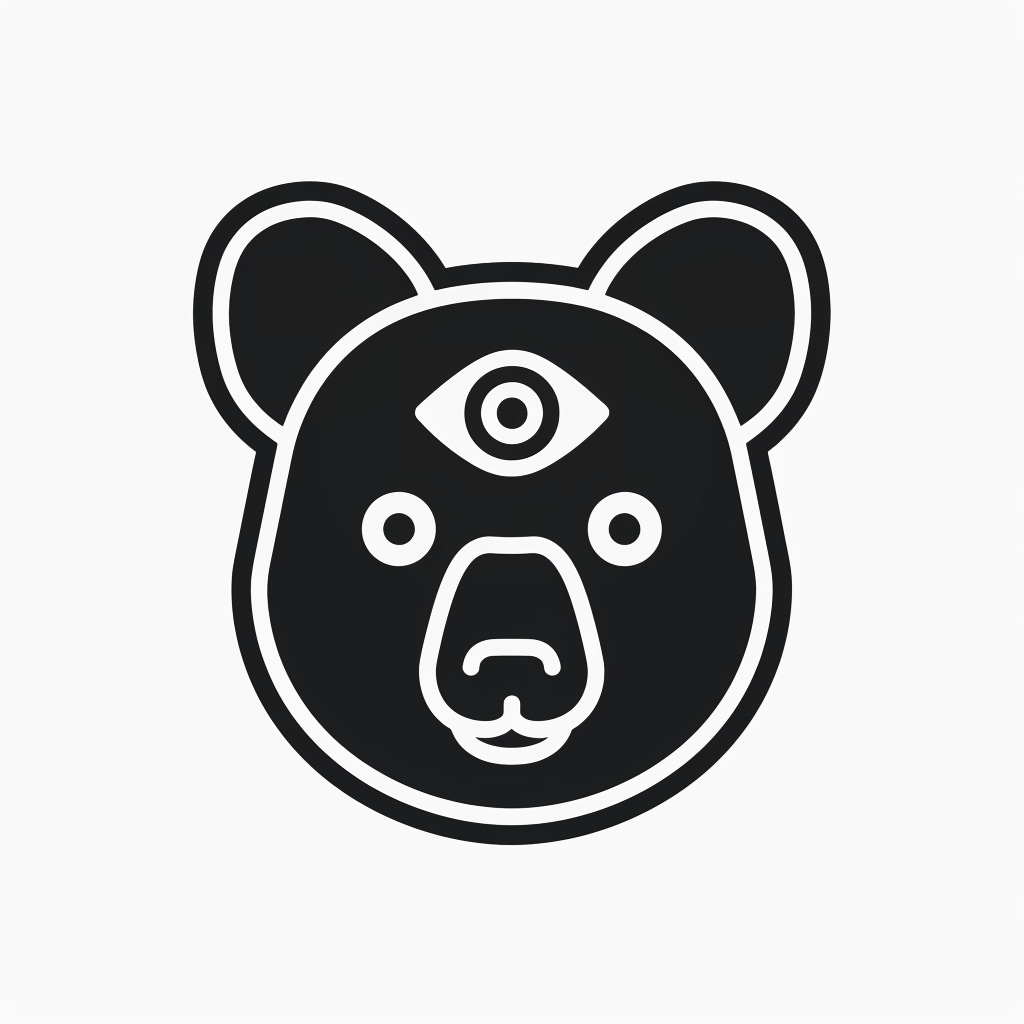
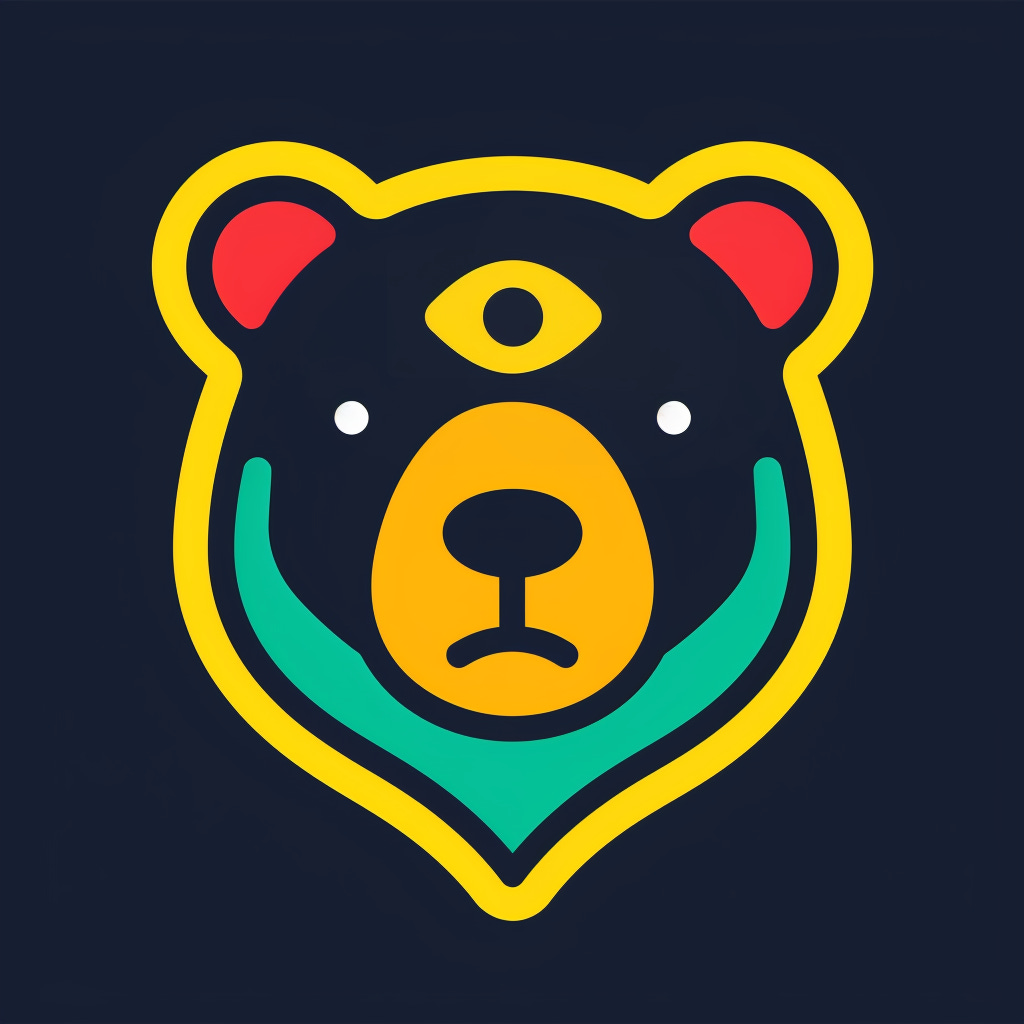
svg vector logo icon for [SUBJECT], Paul Rand, Saul Bass, Milton Glaser, outlined simple flat design, high contrast, simple background
Logo Design Short Prompt
a logo design for [SUBJECT] by [DESIGNER]
Stylized 2D Logo Design Prompt
2d vector logo of [SUBJECT], in the style of flat design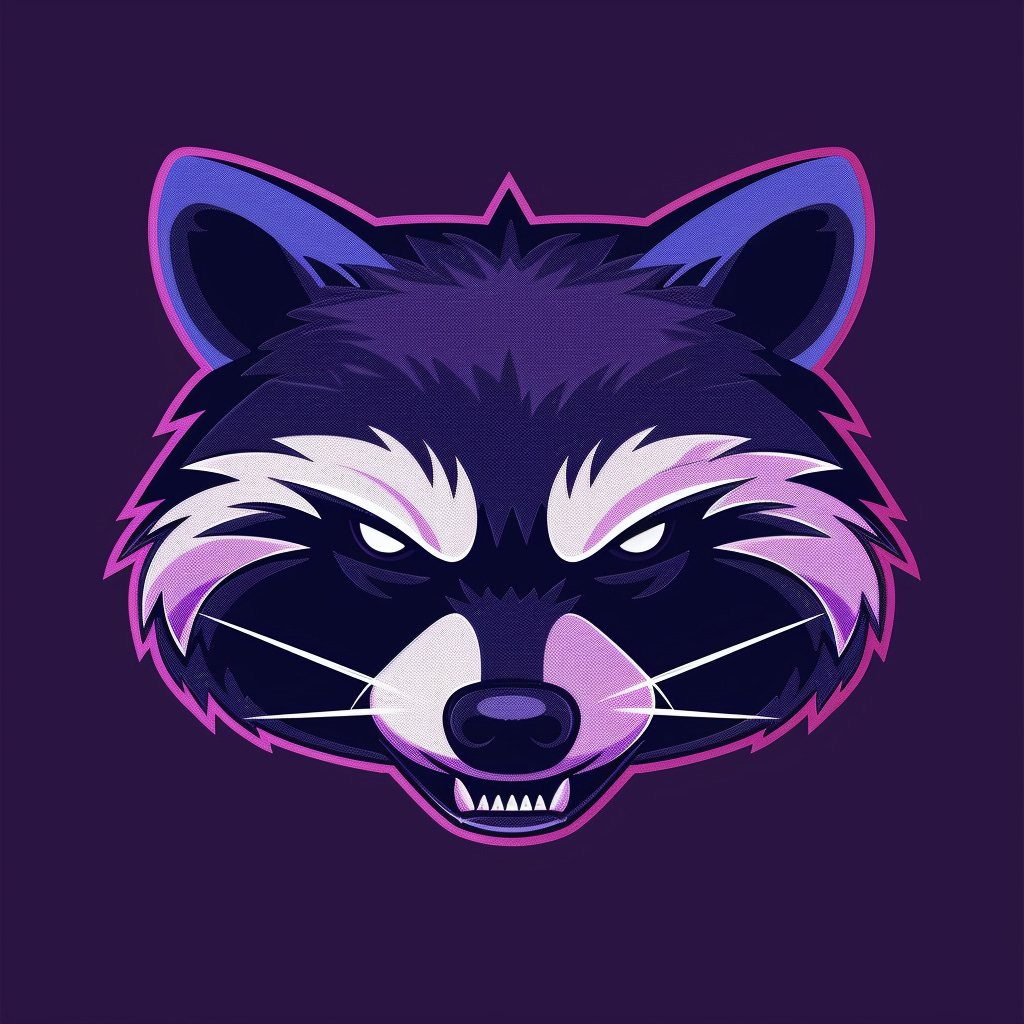

Simplicity: Creating a logo that is easily recognizable and memorable.
Versatility: Designing a logo that is adaptable across various media and scales.
Appropriateness: Ensuring the logo's style and imagery align with the brand’s industry and audience.
Timelessness: Avoiding trendy designs that may become dated quickly.
Originality: Crafting a unique logo that stands out from competitors.
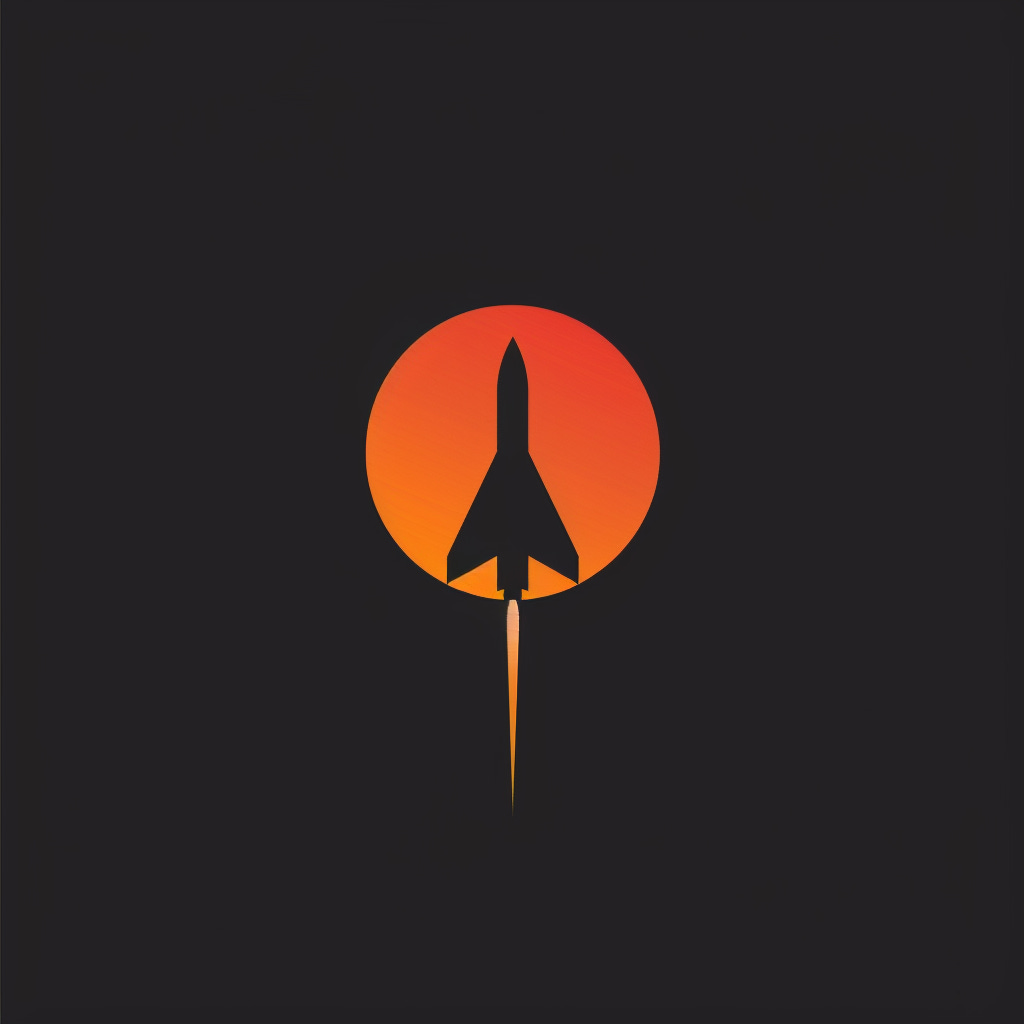

Logo design has evolved from simple heraldic symbols to complex brand identities reflecting a company's mission and values. The rise of consumer culture in the 20th century and the digital revolution have greatly influenced logo design, emphasizing the importance of visual identity in marketing and brand strategy.


Paul Rand - Designed iconic logos for IBM, ABC, and UPS, emphasizing simplicity and function.
Saul Bass - Known for creating some of the most recognizable logos in North America, including AT&T and Continental Airlines.
Milton Glaser - Famous for the "I ❤ NY" logo, showcasing the power of design in public consciousness.
Paula Scher - Known for her work with Pentagram, Paula Scher has designed some of the most recognizable logos and brand identities in the United States, including Citibank and Tiffany & Co.
Michael Bierut - Also a partner at Pentagram, Bierut has created logo designs and brand identities for a wide range of organizations, including Verizon, MIT Media Lab, and the New York Times.
Sagi Haviv - A partner at Chermayeff & Geismar & Haviv, Haviv has designed logos for numerous high-profile clients, including the US Open Tennis Championships and the Library of Congress.
Rob Janoff - Best known for designing the Apple logo, Janoff has made a significant impact on branding with his simplistic yet innovative approach to logo design.
Lindon Leader - The designer behind the FedEx logo, Leader has been influential for his use of negative space in creating memorable and effective brand identities.
Massimo Vignelli - Known for his minimalist and systematic approach to design, Vignelli has influenced the way logos and icons are perceived and utilized within branding.
Aaron Draplin - Founder of Draplin Design Co., his bold and straightforward design style has led to iconic logos and graphics for brands like Nike, Esquire, and Ford Motor Company.
Jessica Walsh - As a co-founder of &Walsh, her creative approach to branding, strategy, and design has influenced modern logo design and visual communication strategies.
Susan Kare - Famous for her work on the original Macintosh team, Kare's approach to iconography and digital design elements has influenced user interface design and digital branding.